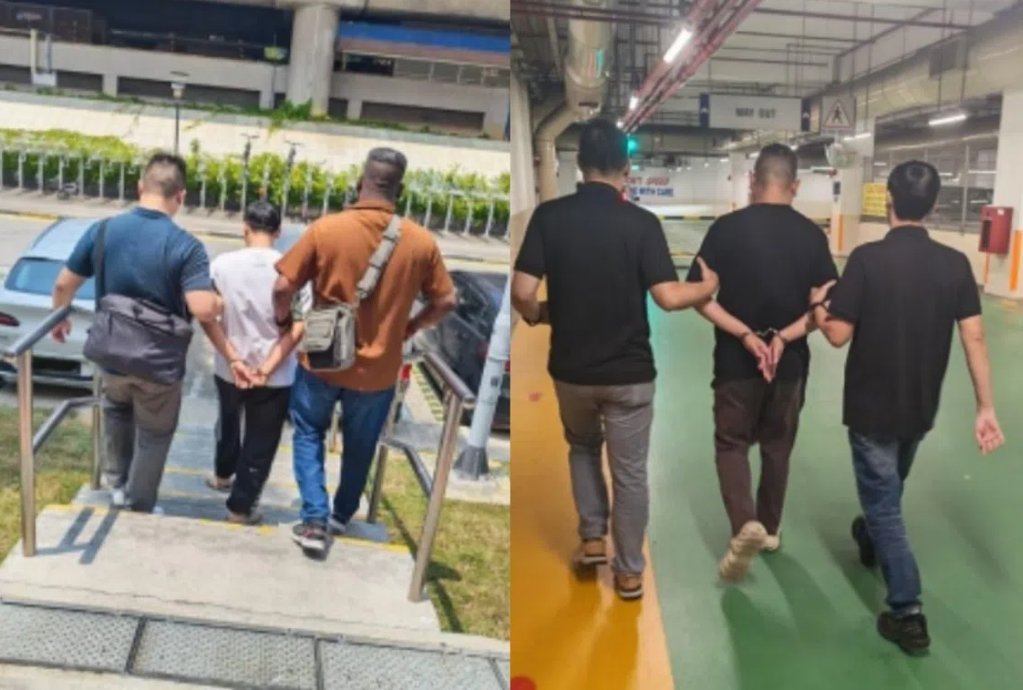
Singapore authorities have arrested two Malaysian men employed at a mobile phone retailer on suspicion of orchestrating a sophisticated identity theft and money laundering operation targeting the city-state's digital citizen authentication system. The 25-year-old and 47-year-old suspects were taken into custody on Tuesday, August 25, according to a police statement released the following day, with both accused of exploiting their positions to gain access to sensitive customer information and subsequently misuse it for criminal purposes.
The scheme centred on the systematic harvesting of Singpass login credentials—the secure login system managed by Singapore's Government Technology Agency that citizens and residents use to access government services and increasingly private-sector digital platforms. By obtaining these credentials from customers, often during routine transactions such as mobile phone or SIM card purchases, the two men allegedly registered unauthorised LiquidPay e-wallet accounts without the account holders' consent or knowledge. LiquidPay, operated by Singapore-based fintech firm Liquid Group, is a popular digital payment and wallet service widely used across the region for peer-to-peer transfers and merchant payments.
Investigations by Singapore's police Cyber Command unit, working alongside the Singpass Trust & Safety team at the Government Technology Agency, revealed a concerning scale of compromise. Police discovered that more than 170 Singaporeans and foreign workers resident in the city-state had their Singpass accounts exploited as part of this operation. The fraudulently created credentials were subsequently weaponised to establish over 160 additional LiquidPay accounts, each serving as a receiving point for illicit funds without the legitimate account holders ever knowing their identities had been misused.
One documented instance illustrates the opportunistic nature of the fraud. When a customer approached one of the suspects seeking assistance updating their Singpass login details—a routine administrative task for SIM card purchases—the employee seized the moment to surreptitiously establish a LiquidPay account using the customer's credentials. This pattern of exploiting moments of trust during legitimate customer service interactions suggests a predatory approach to the scheme, deliberately targeting customers at their most vulnerable points of engagement.
The scope of financial criminality uncovered is substantial. Since early March 2026, authorities have identified at least 20 Singapore citizens and work permit holders who have been investigated for registering the compromised LiquidPay accounts. These accounts collectively received approximately $110,063 in proceeds traceable to various scam operations, ranging from investment fraud to online shopping cons and other criminal schemes. The e-wallets essentially functioned as conduits for converting stolen money into digital assets that could be more easily transferred, hidden, or withdrawn.
The two Malaysian suspects are part of a larger criminal syndicate specialising in Singpass account compromise, according to police investigators. This suggests an organised network with multiple roles—some members obtaining credentials, others managing the e-wallet infrastructure, and still others facilitating the movement of scammed funds through the compromised accounts. The involvement of foreign nationals in Singapore-based fraud rings, particularly those with customer-facing employment that provides natural access to sensitive information, underscores emerging vulnerabilities in cross-border crime.
The legal consequences facing the arrested men are severe. They will be charged in court on August 27 with assisting another person to retain benefits derived from criminal conduct, an offence under Singapore law that carries imprisonment of up to 10 years, a maximum fine of $500,000, or both penalties combined. This serious charge reflects authorities' determination to prosecute not merely the identity theft itself but the deliberate facilitation of money laundering and the retention of criminal proceeds.
The investigation is ongoing into other aspects of the operation, particularly Singpass users who may have voluntarily surrendered their account credentials to fraudsters or accomplices, either through social engineering, coercion, or financial incentive. Such cases, where victims become inadvertent collaborators, carry their own criminal liability in Singapore's framework—up to three years' imprisonment and a $10,000 fine—though prosecution of victims remains sensitive and contextual.
For Malaysian readers and regional observers, this case illustrates the sophisticated transnational nature of modern cybercrime and identity theft. It demonstrates how employment in legitimate customer-service roles can be weaponised to commit fraud, and how digital identity systems, however secure their underlying technology, remain vulnerable to human manipulation and insider threat. The incident also reflects growing concerns about the exploitation of Southeast Asian workers in fraudulent schemes, whether as perpetrators or unwitting facilitators, and the necessity for heightened vigilance among both employers and consumers when sharing sensitive credentials or personal information, particularly across borders.

