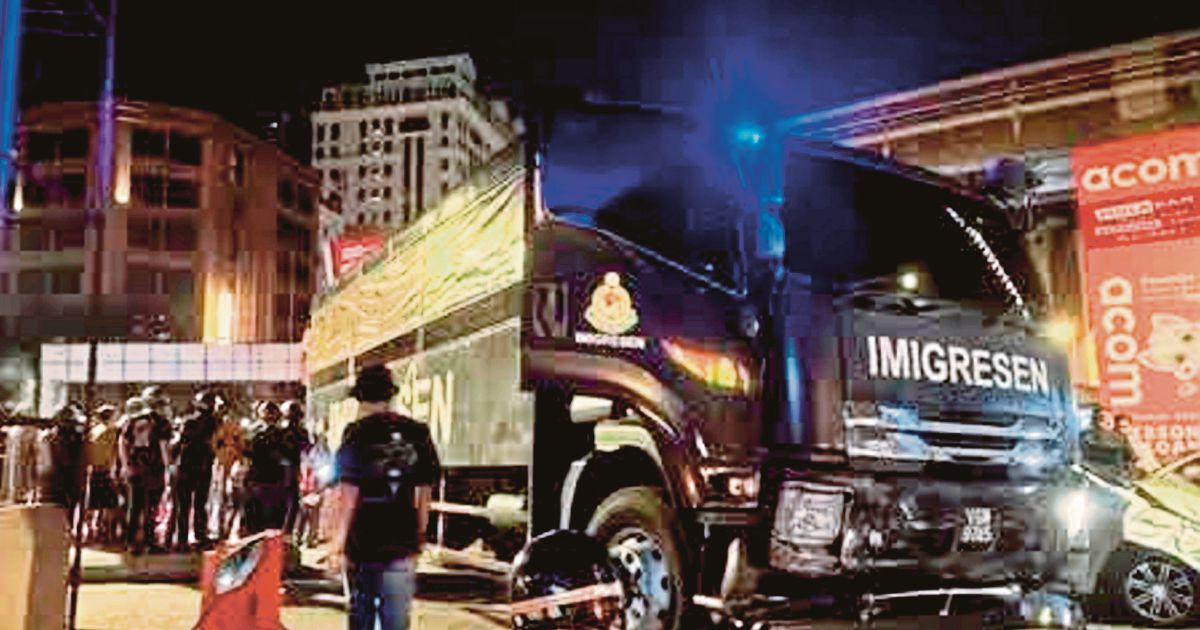
A devastating traffic accident that unfolded early this morning along Jalan Sultan Ismail in Kuala Lumpur has resulted in the deaths of three family members, prompting police to place both drivers involved in the collision under remand for further investigation. The tragic incident involved a lorry operated by the Immigration Department and claimed the lives of a father and his two daughters, leaving authorities focused on determining the precise sequence of events that led to the fatal crash.
The two drivers remanded by police are now at the centre of an investigation seeking to establish liability and the contributing factors in this road fatality. Standard procedure in fatal traffic collisions requires investigators to examine vehicle conditions, speed, road circumstances, and driver behaviour in the lead-up to the incident. The decision to remand both parties reflects the seriousness with which law enforcement is treating the case and the need to gather comprehensive evidence before determining charges.
Jalan Sultan Ismail, a major thoroughfare in central Kuala Lumpur, carries heavy traffic throughout the day and night. Accidents on this stretch of road often attract significant attention from road safety advocates and transport authorities, particularly when they result in fatalities. The busy nature of this corridor means that collisions can have cascading effects on traffic flow across the city centre, affecting thousands of commuters and commercial operations.
The involvement of an Immigration Department vehicle adds an administrative dimension to the investigation. Government agencies operate large numbers of vehicles for operational purposes, and accidents involving such vehicles typically trigger reviews of maintenance protocols, driver training standards, and compliance with road safety regulations. The Immigration Department may face scrutiny regarding the condition of its fleet and whether appropriate safety measures were in place.
Fatalities involving family units, particularly those encompassing young victims, typically generate heightened public concern and media scrutiny. Tragically, road accidents remain a leading cause of preventable deaths in Malaysia, with families bearing the devastating consequences of collisions. This incident underscores the ongoing vulnerability of road users despite numerous awareness campaigns and enforcement initiatives.
Police investigations in fatal collision cases typically examine multiple dimensions. These include mechanical inspection of both vehicles to rule out technical failure, analysis of the accident scene using forensic techniques, witness statements, traffic camera footage if available, and toxicology reports. The remand period allows investigators time to compile this evidence and prepare comprehensive case files.
The early morning timing of the accident may be significant. Collisions occurring during overnight hours sometimes involve fatigue, reduced visibility, or fewer witnesses. Road conditions at dawn can present particular challenges, with changing light levels and potentially different traffic patterns compared to peak hours. Investigators will assess whether these factors contributed to the incident.
Family loss through traffic accidents represents a profound social impact extending beyond statistics. The death of a parent alongside two children creates ripple effects across extended family networks, workplaces, schools, and communities. Such incidents often reignite public debate about road safety enforcement, driver licensing standards, and vehicle maintenance requirements across Malaysia.
The remand process typically allows police between two and four days to gather evidence, interrogate suspects, and prepare recommendations to prosecutors. Following this period, police must either charge the suspects, request additional remand time, or release them pending further investigation. The outcomes will likely depend on findings regarding negligence, mechanical failure, or other contributory factors.
This tragedy comes amid ongoing efforts by Malaysian traffic authorities to reduce road fatalities through enhanced enforcement of speed limits, stricter penalties for traffic violations, and improved road infrastructure. Major urban corridors like Jalan Sultan Ismail remain focus areas for accident prevention initiatives, though the frequency of fatal collisions suggests that multifaceted approaches combining education, enforcement, and engineering remain essential.
Beyond the immediate investigation, this incident may prompt reviews of safety protocols for government vehicles and consideration of additional training requirements for drivers of heavy vehicles. Insurance implications and potential civil liability will also emerge as the investigation progresses, with potential ramifications for institutional practices across government transport operations.
The investigation will continue as police complete their remand period and compile evidence for submission to public prosecutors. The outcomes will establish a precedent for how similar incidents are handled and may influence policies governing vehicle safety standards and driver accountability within Malaysia's transport sector.

