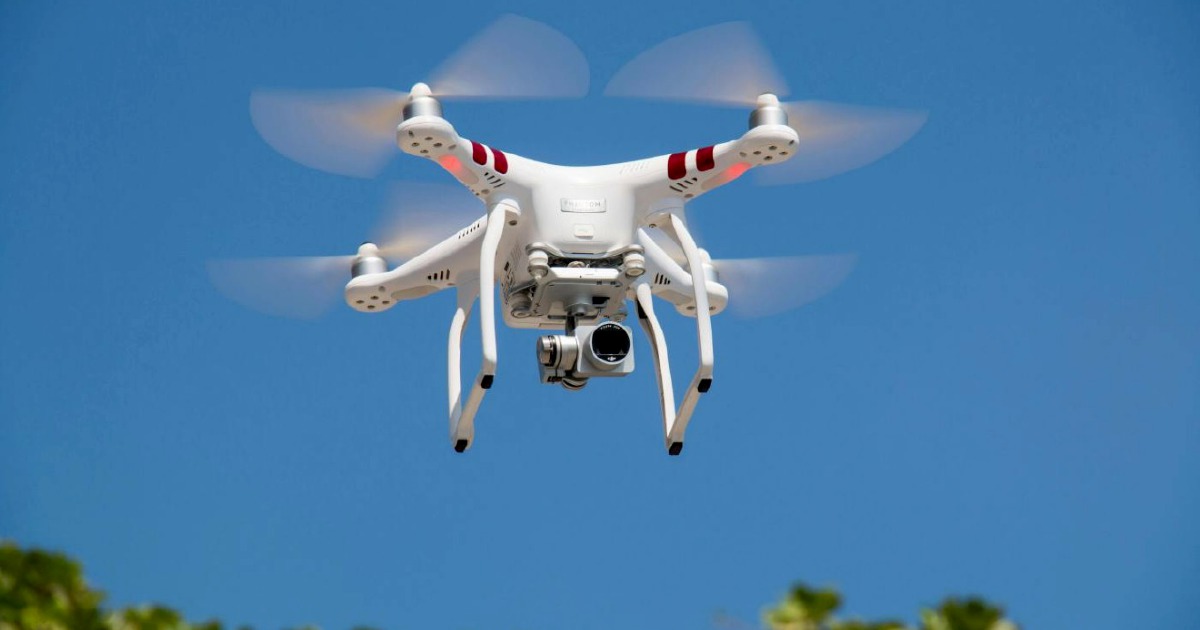
Melaka authorities have made significant progress in combating contraband trafficking within the prison system, with the arrest of two suspects linked to an audacious drone-based smuggling operation targeting Sungai Udang Prison. The suspects were taken into custody following a raid conducted at a residential address in Taman Kris Satria, Sungai Udang, during which police secured evidence related to the proposed contraband delivery.
The use of unmanned aerial vehicles for smuggling purposes represents an evolving challenge for Malaysian correctional facilities and law enforcement agencies. Drones, with their ability to deliver payloads remotely and navigate around perimeter barriers, have become an increasingly sophisticated tool employed by criminal networks seeking to circumvent traditional security measures at prisons and detention facilities across the region. This incident underscores the vulnerability of conventional prison infrastructure to modern technological exploitation.
Tobacco products remain among the most sought-after contraband items within Malaysian prisons, commanding premium prices in the confined economy that develops within prison walls. The illicit tobacco trade within correctional facilities not only violates institutional regulations but also generates revenue for criminal syndicates operating both inside and outside prison boundaries. By successfully introducing tobacco into Sungai Udang Prison, perpetrators would have strengthened their foothold within the facility's underground economy.
The investigation that culminated in the Wednesday arrests reflects evolving law enforcement capabilities in detecting and intercepting modern smuggling methods. While drone-based smuggling remains relatively novel within Malaysian prison contexts, international case studies from jurisdictions including the United Kingdom and Australia have documented numerous similar attempts. These precedents have informed Malaysian police methodology, enabling security forces to develop countermeasures and intelligence-gathering techniques tailored to aerial contraband delivery.
Sungai Udang Prison, situated in Melaka's Sungai Udang district, serves as a significant correctional facility within the state's criminal justice infrastructure. The facility houses numerous inmates across various security classifications, making contraband control a fundamental operational priority. Any breach in security—whether through traditional smuggling routes or innovative technological approaches—poses risks to institutional order, staff safety, and the broader administration of justice.
The arrested individuals now face investigation under relevant sections of the Prisons Act and potentially trafficking legislation, depending on the quantities of tobacco seized and the sophistication of their operation. Malaysian courts have demonstrated increasing severity toward smuggling offences involving penal institutions, recognising the compounding nature of such crimes in disrupting prison governance and facilitating secondary criminal activity within detention facilities.
This arrest comes amid broader regional discussions regarding prison security modernisation. Neighbouring countries including Singapore and Thailand have invested substantially in technological upgrades including drone detection systems, perimeter surveillance enhancements, and signal-jamming technology specifically designed to counter unmanned aerial vehicle incursions. Malaysian correctional authorities may face pressure to evaluate whether similar investments warrant prioritisation within budgetary allocations for the Prisons Department.
The incident also highlights the operational sophistication of criminal networks capable of coordinating external smuggling operations with internal prison contacts. Such coordination requires trust networks, communication channels, and reliable logistics—suggesting that the investigation may uncover broader organisational structures beyond the two primary suspects. Authorities typically pursue interrogation strategies designed to identify suppliers, external coordinators, and prison staff or inmates who may have facilitated the attempted delivery.
From a public order perspective, successful contraband interdiction serves as a deterrent against future smuggling attempts, though the proliferation of drone technology and declining equipment costs continue to present persistent challenges. The accessibility of commercial drone platforms means that potential perpetrators face relatively low barriers to entry compared with more traditional smuggling infrastructure, potentially explaining the apparent increase in drone-based contraband attempts globally.
The police operation demonstrates the importance of intelligence-driven enforcement activity, suggesting that authorities had developed credible information regarding smuggling plans before attempting delivery. Such proactive approaches prove significantly more effective than reactive responses to contraband discovery, allowing law enforcement to prevent criminal activity rather than merely containing its consequences.
Beyond the immediate criminal implications, this case illuminates questions about prison security governance and resource allocation within Malaysia's correctional system. As detention facilities become targets for increasingly creative smuggling methodologies, institutional administrators must balance operational costs against security imperatives. The successful interception of this smuggling attempt provides temporary reassurance regarding security protocols while simultaneously exposing vulnerabilities that sophisticated criminal operators may attempt to exploit through alternative technological means.
Authorities have signalled continued vigilance against smuggling activities, with police indicating that investigations remain ongoing. The apprehended suspects currently face questioning, with potential additional charges anticipated as evidence gathering proceeds and any further conspirators are identified. The case underscores both the commitment of Melaka law enforcement to prison security and the ongoing evolutionary arms race between correctional authorities and criminal networks seeking to penetrate penal institution security perimeters.

