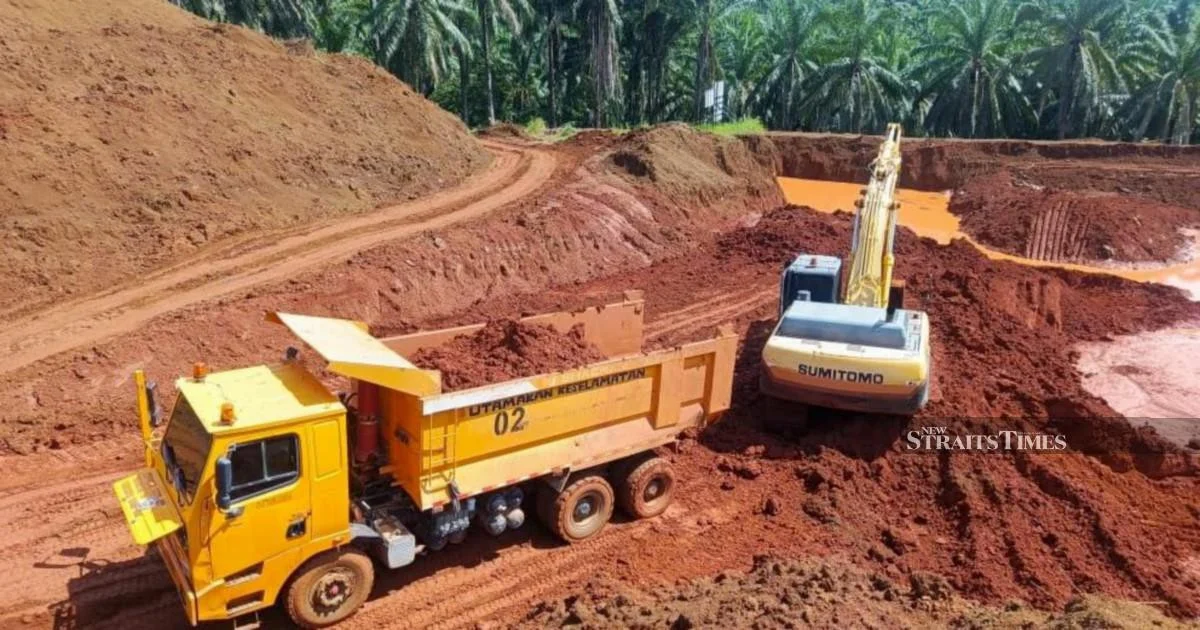
Terengganu authorities have cracked down on an illicit silica sand extraction scheme, apprehending two suspects in Marang district following a significant enforcement operation that recovered equipment valued at RM1.8 million. The arrests underscore intensified efforts to combat environmental crimes and unlicensed mining activities that have long plagued the state's coastal and inland regions.
The operation, conducted by officers from the General Operations Force (GOF), targeted individuals allegedly involved in the unauthorized removal and transfer of silica sand reserves. Silica sand, a valuable industrial mineral used in construction, glassmaking, and electronics manufacturing, remains a lucrative commodity in Malaysia. The illegal extraction and trafficking of this resource has grown increasingly problematic, particularly in states with significant coastal deposits like Terengganu, creating environmental degradation and revenue loss for legitimate stakeholders and government authorities.
The two men detained in Marang are suspected of operating an unlicensed mining venture without the requisite permits from Terengganu's mining authority and state government bodies. Such operations typically target areas with accessible sand deposits, often near riverbeds, coastal zones, and designated mining sites where enforcement presence may be sporadic. By circumventing regulatory channels and taxation requirements, perpetrators pocket substantial profits while evading environmental safeguards designed to prevent habitat destruction and coastal erosion.
The confiscation of machinery worth RM1.8 million indicates a substantial operation, likely involving heavy-duty equipment such as excavators, loading trucks, screening machines, and other processing apparatus essential for extraction and beneficiation of silica sand. The scale of seized assets suggests the suspects may have operated this scheme over an extended period, possibly supplying industrial clients or middlemen unaware of—or complicit in—the material's illicit origin.
For Malaysian readers and the broader Southeast Asian context, illegal mining operations represent a persistent challenge affecting environmental integrity, local community welfare, and fair competition in natural resource industries. Terengganu, alongside Pahang and Selangor, has experienced recurring problems with unauthorized extraction of sand, gravel, and silica sand destined for construction and manufacturing sectors. The RM1.8 million equipment seizure sends a signal that enforcement agencies are scaling up operations to disrupt these networks and impose financial consequences on those involved.
The GOF's involvement highlights the deployment of specialized paramilitary units to tackle resource crimes. These enforcement divisions possess mobile capacity and manpower to conduct raids across remote mining sites and transfer points where conventional police may face logistical constraints. Enhanced coordination between GOF, state Department of Mineral and Geology authorities, Department of Environment, and local police has strengthened the capacity to identify, track, and intercept illicit sand operations.
Silica sand theft extends beyond direct environmental damage. Unlicensed extraction destabilizes riverbanks and coastal areas, affecting fishing communities and water quality. Unregulated mining permits no environmental impact assessments, rehabilitation bonds, or restoration obligations. Communities adjacent to illegal sites frequently experience dust pollution, noise, habitat loss, and declining agricultural and aquaculture productivity. Additionally, diverted sand supplies undercut legitimate licensed quarries and mining companies that comply with stringent regulations, environmental fees, and taxation.
The arrested individuals now face potential charges under the Malaysian Mineral Development Corporation Act 1976 or the Terengganu State Mining Enactment, offences carrying fines and imprisonment. Successful prosecution of these cases requires solid evidence handling, forensic accounting of sand sales proceeds, and witness testimony—areas where enforcement agencies have historically struggled. Nevertheless, high-profile arrests and asset seizures generate deterrent effects, signalling elevated personal risk for would-be operators.
Looking ahead, sustained prevention demands not only reactive enforcement but investment in mining site monitoring, licensing system digitization, and supply-chain transparency initiatives. Malaysian authorities increasingly recognize that tackling illegal mining requires tracking demand from end-users—construction firms, aggregate suppliers, and industrial customers—and incentivizing them to verify supplier compliance. Awareness campaigns and corporate accountability frameworks push legitimate businesses to adopt sourcing protocols that exclude illicit material.
The Marang arrest also reflects growing state-level coordination in Terengganu under heightened scrutiny of natural resource governance. Previous high-profile cases involving unauthorized sand and mineral extraction have prompted state leadership to strengthen inter-agency task forces and equipment for field enforcement. Enhanced satellite monitoring and digital reporting systems allow faster detection of unauthorized extraction sites and unauthorized stockpiles.
For Malaysia's mining and quarrying industry, stringent enforcement benefits legitimate operators by reducing competition from unregulated suppliers and preserving long-term resource sustainability. As Southeast Asian infrastructure development accelerates and construction demand rises, ensuring ethical and licensed supply chains becomes critical to environmental stewardship and equitable industry participation. The Marang operation exemplifies how enforcement, though reactive, remains essential to containing a persistent challenge that threatens both ecosystems and economic fairness in the extractive sector.

