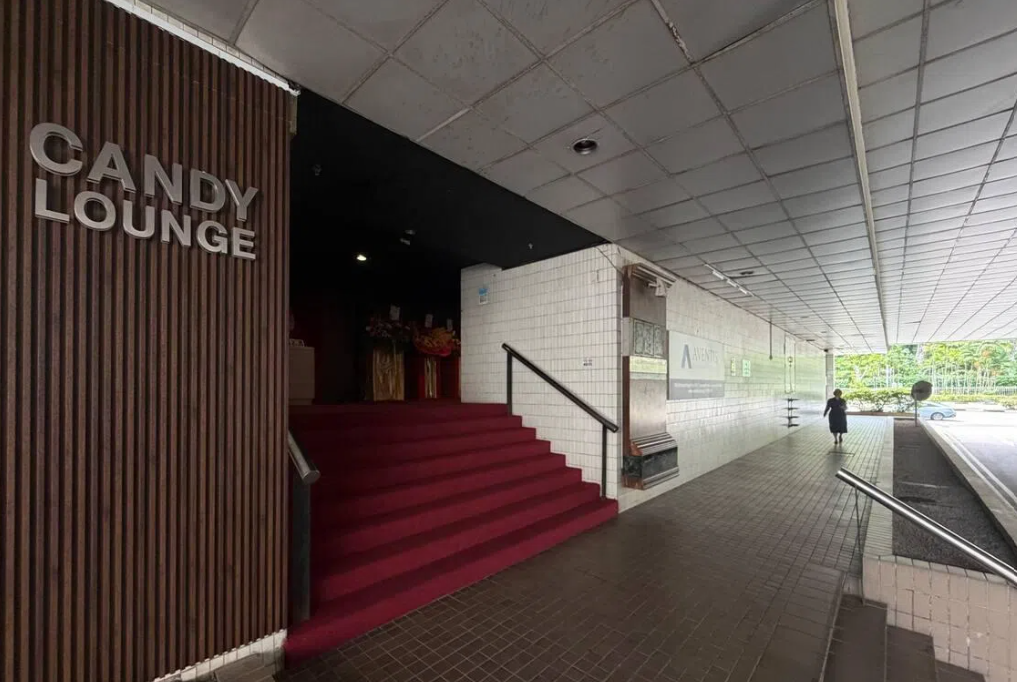
A violent confrontation at a popular Singapore nightclub in the early hours of Thursday has resulted in two arrests and multiple hospitalizations, bringing fresh attention to surging street violence in the island nation. The incident unfolded near the junction of Orchard Road and Buyong Road, one of Singapore's most bustling entertainment districts, when police and Singapore Civil Defence Force responders arrived around 3am following an emergency call.
When authorities reached the scene, they discovered four injured men, each in their late thirties, suffering from various injuries sustained during the altercation. Three of the victims had sustained lacerations while the fourth presented with minor trauma. All four men were transported to Tan Tock Seng Hospital while conscious, suggesting that while the violence was serious, none of the injuries proved immediately life-threatening. However, the incident's severity became clearer as investigators pieced together the events.
Police subsequently arrested two suspects, aged 25 and 27, on charges of voluntarily causing hurt by dangerous means—a legal characterization indicating the use of weapons or methods likely to cause serious bodily harm. The older suspect was himself taken to Tan Tock Seng Hospital while conscious, and investigators recovered a knife at the scene. This evidence recovery highlights the weapon-driven nature of modern street violence in Singapore, a concerning trend that has alarmed authorities and residents alike.
According to reporting from Chinese-language outlet Lianhe Zaobao, the confrontation erupted between two separate groups of patrons outside Candy Lounge, a nightclub situated directly on Orchard Road. The incident allegedly escalated to stabbing, with at least one person reportedly sustaining a neck injury from a blade. Such close-quarters violence in a densely populated commercial zone underscores the unpredictability and danger posed by nightlife-related conflicts, even in a city-state with strict safety protocols and heavy police presence.
Candy Lounge maintains operating hours from 10pm until 3am on regular weekdays, extending to 4am on Saturdays and public holidays, placing it in the heart of Singapore's after-hours entertainment scene. The nightclub's presence in the Orchard entertainment belt—perhaps Southeast Asia's most concentrated shopping and leisure district—means that any incident carries immediate visibility and raises questions about venue security and crowd management practices. The incident occurred at the precise threshold of the establishment's standard closing time, a detail that may prove relevant as investigations continue.
When journalists from The Straits Times visited the location approximately six hours after the incident at 9:20am, no police or emergency personnel remained visible. Traffic flow through the junction had returned to normal, suggesting that authorities had completed preliminary scene assessment and evidence collection. Notably, two shop owners operating a money changer and mini-mart in nearby Orchard Plaza stated they were unaware an incident had transpired and had not been briefed by security personnel. This communication gap raises questions about information-sharing protocols between venue operators and neighbouring businesses in high-density commercial zones.
The Orchard Road incident arrives amid a troubling escalation in weapon-related street crime across Singapore. Official figures reveal that knife-related incidents have surged dramatically, with 75 separate incidents reported during the first half of 2025 compared to 59 during the identical period in 2024. This represents a 27 percent year-on-year increase, suggesting that blade violence has become a persistent and worsening public safety concern despite Singapore's reputation for tight law enforcement and low overall crime rates. The prevalence of knife violence stands in sharp contrast to the city-state's stringent weapons regulations, prompting security experts to reassess situational risk factors.
For Malaysian readers and regional observers, this incident carries significance beyond Singapore's borders. The Orchard Road district draws visitors and workers from throughout Southeast Asia, including Malaysia, making it a shared commercial and entertainment space. The rising prevalence of nightlife-related violence in Singapore's premier entertainment district may prompt regional visitors to reconsider personal safety practices while patronizing such venues. Additionally, the broader trend of increasing blade violence in a highly regulated developed economy suggests that weapon-related crime is becoming a region-wide phenomenon rather than an isolated problem.
The incident also reflects broader challenges facing nightlife management and venue security in major Southeast Asian cities. As entertainment districts expand and operating hours extend, venues face mounting pressure to balance profitability with patron safety while managing the fluid dynamics of alcohol consumption and potential interpersonal conflicts. Orchard Road's concentration of nightclubs, bars, and late-night establishments creates an environment where altercations can escalate rapidly, particularly when multiple groups of patrons interact in close quarters.
Police investigations remain ongoing as authorities gather witness statements, review security footage, and examine the recovered knife for forensic evidence. The Singapore Police Force typically handles such cases methodically, though the public health implications of rising knife violence warrant broader policy discussion. Whether the incident stems from personal disputes, turf conflicts between criminal elements, or spontaneous altercations between intoxicated patrons will significantly shape public perception and policy responses.
For Singapore authorities, the case underscores the persistent challenge of preventing weapon-related violence in entertainment precincts despite comprehensive surveillance, regular patrols, and strict legal consequences. The incident may prompt venue operators to implement enhanced security measures, potentially including improved patron screening, conflict de-escalation training for staff, and closer coordination with law enforcement. Regional governments observing Singapore's experience may similarly reassess security protocols in their own entertainment districts.

