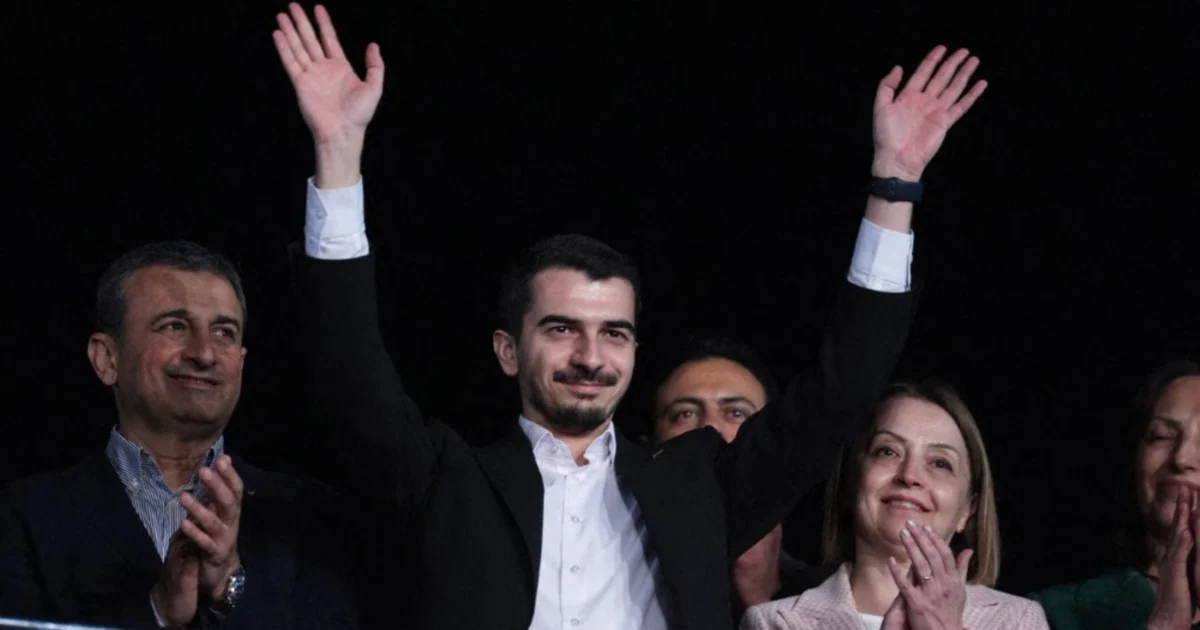
Turkish prosecutors have cast a wide net across Ankara's municipal administration, ordering the detention of 36 individuals as part of a sprawling investigation into alleged corruption. The sweep encompasses the mayor of a district governed by the country's main opposition party, signalling the investigation's reach into opposition-controlled territories. The Ankara chief prosecutor's office confirmed the detention orders in a statement released today, marking another significant chapter in Turkey's ongoing struggle with corruption allegations at the municipal level.
The investigation centres on serious allegations of bribery and the systematic rigging of public tenders—procurement processes that are fundamental to how municipal governments allocate contracts and resources. These practices, if substantiated, would represent a significant breach of public trust and raise questions about governance standards in Turkish municipalities. Tender-rigging is particularly consequential because it distorts competition, inflates costs for taxpayers, and typically benefits connected firms at the expense of legitimate businesses and public resources.
The detention of an opposition politician is particularly significant within Turkey's contemporary political context. The country has experienced considerable polarization between the ruling Justice and Development Party (AKP) and its main opposition rival, the Republican People's Party (CHP). Such investigations touching opposition-held offices often generate scrutiny regarding the independence of Turkey's judicial system and whether prosecutorial actions target opponents disproportionately. The broad scope of this operation—spanning 36 detentions simultaneously—suggests either a coordinated criminal enterprise or the culmination of an extensive preliminary investigation.
Ankara, Turkey's capital and administrative centre, represents a crucial battleground in Turkish politics. The metropolitan municipality has alternated control between different parties in recent election cycles, and district administrations wield considerable power over local contracts, permits, and service provision. Corruption at this level directly affects millions of residents through inflated construction costs, compromised public services, and reduced trust in government institutions. The investigation's focus on municipal governance reflects broader concerns about how contracts are awarded and whether officials are leveraging their positions improperly.
The timing of such investigations invariably invites political commentary in Turkey's fractious media landscape. Opposition parties and their supporters frequently argue that such prosecutions represent politically motivated persecution, whilst government supporters contend that corruption must be pursued regardless of party affiliation. This cycle has become a recurring feature of Turkish politics, complicating efforts to establish an impartial institutional framework for addressing genuine malfeasance. The challenge for Turkish authorities lies in ensuring that investigations are perceived as credible and free from political considerations, particularly when prominent opposition figures become targets.
Bribery and tender manipulation schemes typically operate through networks of officials, business associates, and intermediaries who collectively benefit from the corruption. Individual detentions rarely represent the entirety of an alleged criminal structure; rather, they represent entry points for prosecutors seeking to unravel broader conspiracies. The detention of 36 individuals suggests investigators believe multiple tiers of complicity exist, potentially involving municipal staff, external business contacts, and possibly intermediaries who facilitate illicit payments. Each detainee may hold crucial information about others involved in the alleged scheme.
The investigation's implications extend beyond the immediate personalities involved. Municipal governance in Turkey, as across Southeast Asia and developing democracies generally, faces persistent challenges in preventing corruption. Public procurement—where government agencies spend billions annually—remains a vulnerability point. Without robust systems, transparent processes, and genuine accountability mechanisms, corruption mushrooms. Detentions and prosecutions serve a deterrent function, but their effectiveness depends on conviction rates, sentencing severity, and most importantly, visible consequences for wrongdoing.
For Malaysia and the broader Southeast Asian region, Turkish developments offer comparative insights. Malaysia has undertaken significant anti-corruption efforts through agencies like the MACC, addressing systemic issues not dissimilar to those apparently plaguing Turkish municipalities. The commonalities—bribery, tender-rigging, official complicity—reflect corruption's universal characteristics. However, each jurisdiction's success in addressing these problems depends on institutional independence, media freedom, and genuine political commitment to rooting out wrongdoing regardless of perpetrators' partisan affiliation.
The investigation also underscores how corruption allegations can become weaponised in polarised political environments. Whether deliberate or not, prosecuting opposition figures whilst leaving similar alleged conduct by ruling party members unpunished erodes public confidence in the justice system. Turkey's challenge mirrors difficulties faced across emerging democracies: establishing prosecutorial independence that is both genuinely impartial and perceived as such by sceptical publics. This distinction between actual independence and public perception of independence may prove crucial in determining whether this investigation enhances or further damages confidence in Turkish institutions.
Moving forward, the investigation will likely generate considerable political turbulence. Opposition parties will scrutinise procedures and outcomes for evidence of bias, whilst supporters of the government will view successful prosecutions as vindication of anti-corruption efforts. The resolution of this case—whether through convictions, acquittals, or plea agreements—will send important signals about Turkish governance standards. Ultimately, the investigation's credibility will depend not merely on who is detained or prosecuted, but on whether justice is administered impartially and transparently.

