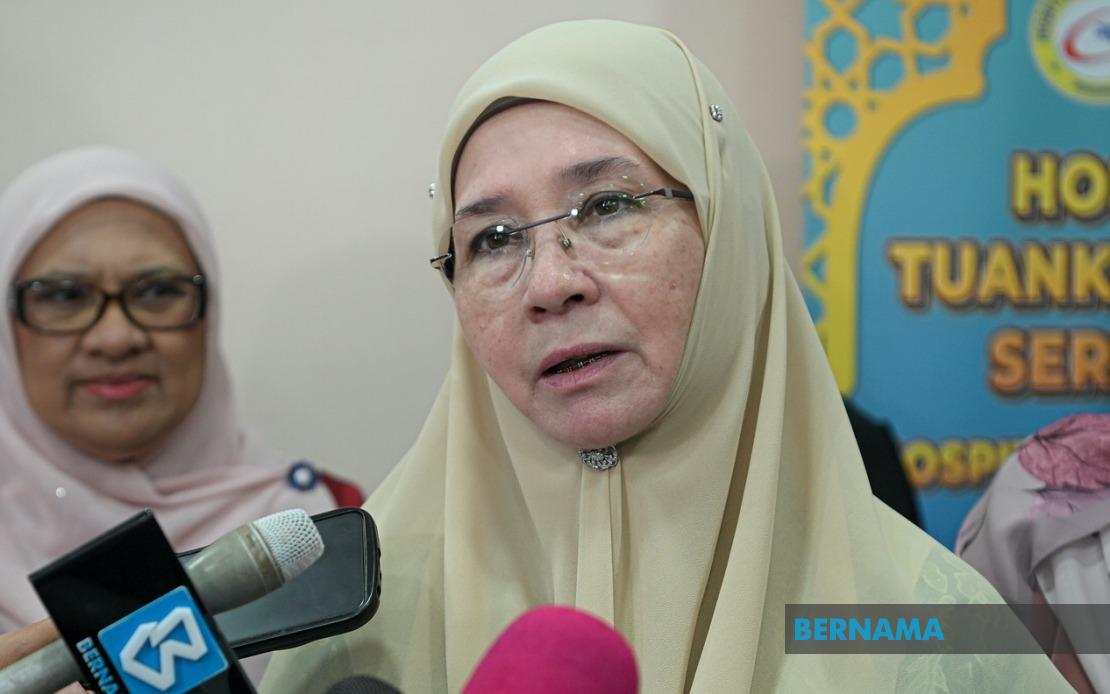
Tengku Ampuan Pahang Tunku Azizah Aminah Maimunah Iskandariah has extended a humanitarian gesture to Orang Asli families grappling with displacement from a land dispute in Kampung Sungai Cot, Maran, by offering them temporary resettlement on property she owns. The offer represents a direct intervention by Pahang's royal household in one of the state's pressing indigenous welfare issues, signalling heightened royal attention to the vulnerability of Malaysia's aboriginal communities when caught in property and administrative disputes.
According to Major General Datuk Mohamed Zahari Yahya, Comptroller of the Royal Household for the Sultan of Pahang, the Tengku Ampuan has maintained close oversight of the escalating situation and comprehends the profound distress and economic hardship inflicted upon the affected residents. Her intervention reflects not merely ceremonial concern but a substantive commitment grounded in her personal research pursuits. Through academic work she is currently conducting, Tunku Azizah has developed deeper insight into the historical contributions of Orang Asli communities to Pahang's development, a perspective that has elevated indigenous welfare to prominence in her priority framework.
The Kampung Sungai Cot dispute represents a microcosm of broader land tenure vulnerabilities affecting Orang Asli settlements across Malaysia. These communities frequently occupy land with tenuous legal standing, rendering them susceptible to displacement when property claims are contested or development pressures intensify. The royal household's intervention by providing alternative accommodation on land in Kuala Wau, Maran, offers immediate relief while establishing a precedent for proactive royal engagement in indigenous land security issues, a model that could influence how other state rulers address similar crises affecting aboriginal populations.
Tunku Azizah's commitment extends beyond temporary shelter. Mohamed Zahari emphasised that should Kuala Wau undergo future development, the Tengku Ampuan has pledged to ensure Orang Asli residents retain housing and social protections, preventing the historical pattern whereby indigenous communities are progressively marginalised as surrounding areas urbanise and land values increase. This forward-looking guarantee attempts to break a destructive cycle wherein Orang Asli are repeatedly displaced as development advances, perpetuating cycles of poverty and cultural erosion.
The offer's scope encompasses not only families directly affected by the Kampung Sungai Cot dispute but extends to any Orang Asli households requiring shelter or seeking new settlement opportunities. This inclusive framework acknowledges the systemic housing inadequacy affecting numerous aboriginal communities throughout Pahang. By making her land available subject to royal consent and within legal parameters, Tunku Azizah signals that indigenous housing need should be addressed through accessible, dignified means rather than leaving vulnerable families to navigate complex property markets or informal settlements.
The initiative arrives as Prime Minister Datuk Seri Anwar Ibrahim signals his own intention to engage with Pahang's state government regarding resolution. Land administration in Malaysia remains constitutionally assigned to state governments, creating intergovernmental coordination requirements when federal leadership seeks involvement in what are formally state-level matters. Anwar's anticipated involvement suggests the dispute has gained sufficient political prominence to warrant prime ministerial attention, potentially reflecting broader concerns about how states manage indigenous land rights and the adequacy of federal oversight in protecting aboriginal welfare.
Tunku Azizah's call for parties to prioritise dialogue and seek mutually respectful solutions attempts to reframe the dispute from adversarial litigation toward collaborative problem-solving. This approach recognises that sustainable resolutions for indigenous land conflicts typically require institutional, community, and governmental cooperation rather than purely legalistic determinations. By emphasising constructive consultation, the royal household signals that genuine reconciliation must address underlying power imbalances and acknowledge Orang Asli agency in determining their settlement futures.
The response reflects broader recognition within Malaysia's governance establishment that Orang Asli welfare remains inadequately protected despite constitutional provisions and various state-level initiatives. Land disputes disproportionately affect aboriginal communities because they frequently lack formal title documentation, operate within traditional tenure systems not fully recognised by modern legal frameworks, and possess limited resources to contest claims through expensive court procedures. The royal household's intervention partially compensates for these structural inequalities, though it necessarily represents a case-by-case solution rather than systemic reform.
For Malaysian policymakers, the Maran situation underscores how indigenous land insecurity perpetuates intergenerational poverty and social marginalisation. When Orang Asli communities face repeated displacement, they cannot invest in permanent housing, accumulate property wealth, or plan long-term economic development. Children's educational continuity suffers when families relocate frequently, and cultural practices weaken as communities scatter. Addressing these challenges requires both immediate humanitarian responses like Tunku Azizah's land offer and longer-term institutional reforms strengthening aboriginal land rights and tenure security.
The Tengku Ampuan's gesture also demonstrates how royal institutions can mobilise resources and influence toward indigenous advocacy when political will aligns with humanitarian concern. However, sustainable solutions require moving beyond individual royal benevolence toward comprehensive legal frameworks recognising and protecting Orang Asli land rights. Malaysia's state governments should establish dedicated mechanisms for resolving indigenous land disputes that prioritise aboriginal welfare, ensure meaningful community consultation, and prevent displacement without adequate resettlement provisions.
Looking forward, the Maran case may catalyse broader policy discussions about indigenous land security across Southeast Asia. Malaysia's handling of Orang Asli land rights influences regional approaches to aboriginal welfare in countries with similar colonial legacies and indigenous populations. By demonstrating that principled engagement and resource commitment can improve outcomes for vulnerable communities, Malaysia can establish precedents encouraging other Southeast Asian governments to strengthen indigenous protections.

