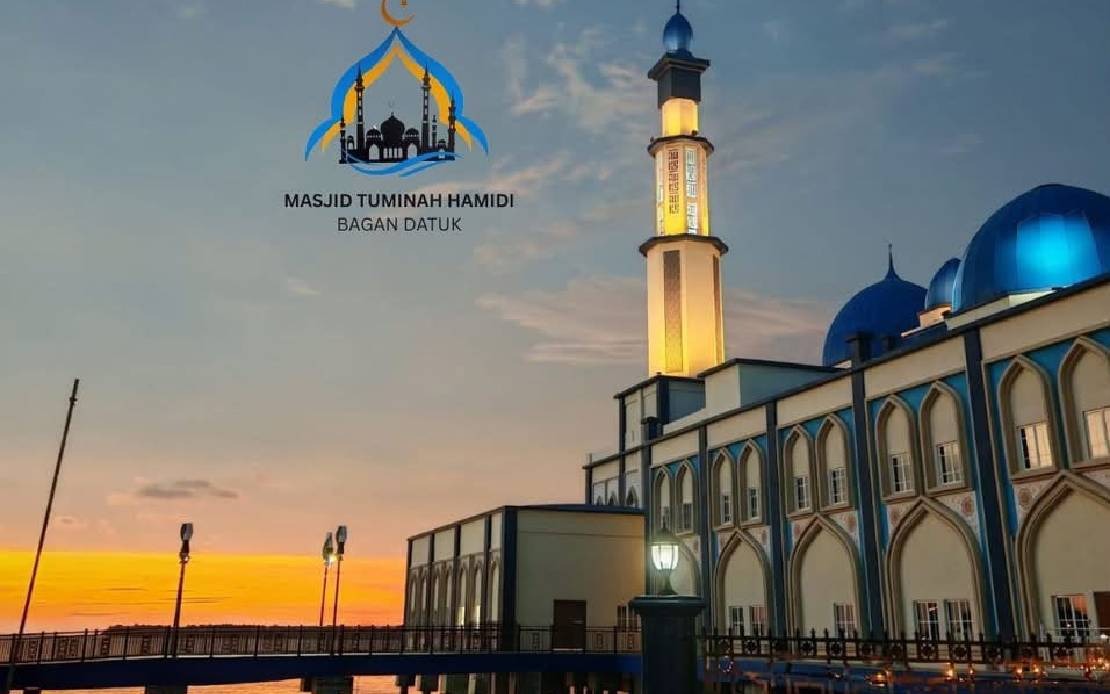
The Tuminah Hamidi Mosque in Bagan Datuk will welcome visitors from diverse backgrounds for Malaysia's inaugural National Mosque Open Day, a three-day celebration spanning August 13 to August 15. Organised by the Islamic Tourism Centre under the Ministry of Tourism, Arts and Culture, the event represents a significant milestone in promoting mosques as inclusive community spaces beyond their primary religious function. Deputy Prime Minister Datuk Seri Dr Ahmad Zahid Hamidi will officially launch the 2026 edition, underscoring the government's commitment to this initiative.
The Islamic Tourism Centre conceptualised the National Mosque Open Day to challenge conventional perceptions of mosques in Malaysia. Rather than presenting these institutions solely as places of prayer, the organisers seek to illuminate their role as vibrant civic gathering points where people exchange knowledge, forge connections, engage in volunteer work, and celebrate the values and heritage that bind communities together. This positioning reflects a broader strategic effort to integrate Islamic cultural landmarks into Malaysia's tourism and social engagement infrastructure.
Admission to the entire three-day programme is completely free, and the organisers have explicitly stated that attendees of all faiths, nationalities and backgrounds are equally welcome. This inclusive messaging extends beyond mere rhetoric; the curated activities and entertainment options suggest genuine attention to creating an environment where non-Muslim visitors feel comfortable and genuinely engaged. For history buffs, architecture enthusiasts, sports participants, culinary explorers, or families seeking meaningful weekend activities, the event promises substantive offerings across multiple interest areas.
The opening day on August 13 centres on spiritual and reflective elements. The programme kicks off with a Qasidah performance from the Nur Ahli Badar group, followed by tausiyah or brief religious talks delivered by Ustaz Habib Ali Zaenal Abidin Alhamid and Ustaz Habib Najmuddin Othman Alkhered. This combination of musical and pedagogical elements establishes an accessible entry point for visitors wishing to understand Islamic cultural expressions while maintaining an atmosphere of contemplation and learning.
The centrepiece falls on August 15 at Dataran Bagan Datuk, where organisers have assembled a comprehensive community festival programme. Activities commence with a morning brisk walk led by actor Bell Ngasri, establishing a participatory rather than observational tone for the day. Beyond this opening exercise, attendees can engage with traditional Malaysian games that preserve cultural knowledge and social bonds, compete in a 3x3 street soccer tournament that appeals to younger participants, and test their skills in e-sports competitions reflecting contemporary recreational interests.
Cultural and artistic pursuits occupy a prominent position throughout the festival schedule. Khat, the Islamic calligraphy tradition rooted in Quranic scholarship and aesthetic refinement, will be demonstrated live, allowing visitors to observe skilled practitioners at work and perhaps understand the spiritual dimensions embedded in Islamic artistic traditions. An azan or call-to-prayer competition will similarly expose attendees to the melodic and linguistic dimensions of Islamic practice. These demonstrations serve educational purposes while honouring established traditions.
Young children participate through a dedicated colouring contest, while the broader family unit can explore the mosque structure itself and its surrounding precincts. This intergenerational design ensures that the event functions as a genuine family outing rather than an activity targeting specific age cohorts. The architecture of the Tuminah Hamidi Mosque presumably offers instructional value regarding Islamic design principles, spatial organisation, and the material expressions of faith.
Entertainment segments featuring personalities such as Aril Pilus and Elly Mazlein, combined with live performances, exhibitor presentations, prize draws and rotating cultural displays, maintain festive momentum throughout the day. This layering of entertainment ensures sustained engagement and creates photo opportunities that participants will likely share across social media platforms, effectively extending the event's reach and visibility beyond those physically present.
The National Mosque Open Day represents an intentional strategy to position Malaysia competitively within the growing Muslim-friendly tourism sector. As countries across the Islamic world and beyond increasingly recognise tourism's potential to generate economic activity and international goodwill, Malaysia's focus on showcasing its Islamic heritage through engaging community events positions the nation as a destination that integrates religious and cultural tourism meaningfully rather than superficially. The initiative demonstrates that tourism can serve deeper purposes beyond commercial transactions.
The Islamic Tourism Centre operates the Mosque Open Day programme on a regular monthly cycle across different mosques throughout Malaysia. This rotating model ensures geographic distribution and prevents any single location from monopolising the initiative. Each venue brings distinct architectural features, community compositions, and local traditions, enriching the cumulative experience and allowing different regions to showcase their particular Islamic heritage expressions. The Bagan Datuk location launches what the Centre characterises as a formalised, nationalised version of these ongoing monthly programmes.
For Malaysian policymakers, the event signals an attempt to harness religious institutions as platforms for interfaith dialogue and national cohesion. At a time when religious sensitivities occasionally generate tensions in Malaysian civic life, demonstrating that mosques willingly open their spaces to non-Muslims and actively create welcoming environments carries implicit messaging about pluralistic values and religious confidence. Visitors departing with positive impressions of mosque hospitality and Islamic cultural richness contribute to social understanding beyond what traditional media or political rhetoric alone can achieve.
Prospective attendees can access additional information through mymuslimtrip.com or by following the Islamic Tourism Centre's Facebook and Instagram accounts, indicating that the organisers are leveraging digital platforms to reach diverse demographic groups. This multi-channel promotional approach acknowledges that contemporary event marketing requires presence across traditional and social media landscapes to maximise awareness and participation across generational divides and digital literacy levels.
The Tuminah Hamidi Mosque Open Day ultimately represents Malaysia's evolving approach to leveraging cultural and religious institutions as instruments of soft power, tourism diversification, and domestic social cohesion. By creating accessible, entertainment-rich environments where citizens and international visitors alike can engage meaningfully with Islamic heritage, the initiative transcends narrowly religious purposes and contributes to broader national objectives of positioning Malaysia as a progressive, inclusive Muslim-majority nation.

