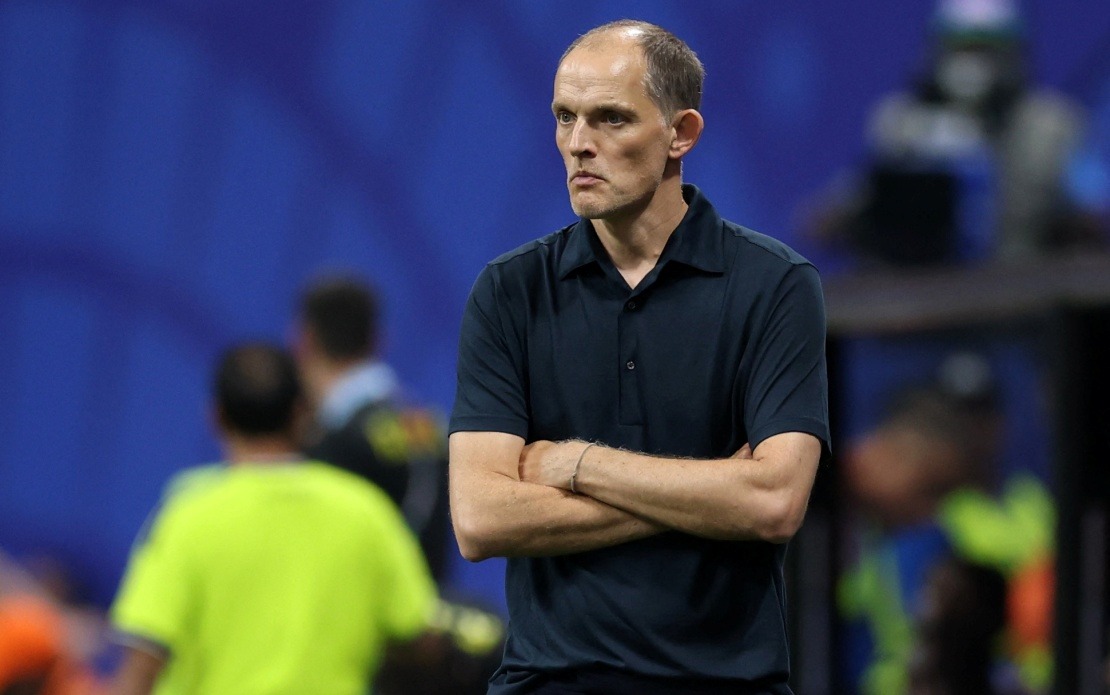
Thomas Tuchel acknowledged that his England side retreated into a defensive shell after taking the lead against Argentina in their World Cup semi-final clash, ultimately contributing to a heartbreaking 2-1 defeat on Wednesday in Atlanta, Georgia. Despite the manner in which the match slipped away—with late goals from Enzo Fernandez and Lautaro Martinez undoing Anthony Gordon's 55th-minute advantage—the German coach maintained he stood by his in-game management and saw no cause for fundamental regret over how events unfolded.
The tactical criticism that descended swiftly after the final whistle centered on Tuchel's use of defensive substitutions when England held the advantage. Observers questioned whether the manager's cautious approach had handed Argentina the initiative at a crucial juncture, allowing the defending world champions to mount their comeback and ultimately progress to the final. Argentina's resurgence was striking: having fallen behind, they controlled possession and created numerous opportunities that England's backline struggled to contain, conceding a succession of crosses and shooting chances that accumulated pressure toward the decisive moment.
When pressed on his substitution choices, Tuchel pushed back against the notion that structural changes had undermined England's position. He explained his reasoning was not to remove attacking players but rather to maintain the team's framework while trying to establish firmer control of the contest. The manager stressed that his side remained in their familiar 4-4-2 formation throughout, suggesting the problem was not one of shape but rather execution and intensity. He acknowledged that despite retaining their tactical structure, England gradually lost their grip on the match as the second half progressed, becoming increasingly tentative and unable to dominate the ball or create winning situations.
The fundamental issue, according to Tuchel's analysis, was that his team simply could not maintain the standards they had set when they took the lead. Possession became difficult to retain, ball-winning became less effective, and Argentina found space to exploit. The coach recognized these failings with candor, noting that England conceded numerous chances, crosses, and shots after moving ahead, which represented a significant deterioration from their earlier performance. He expressed particular frustration at the team's inability to sustain their level of play once they had achieved an advantage, suggesting mental and physical factors may have influenced the decline rather than tactical miscalculation.
Tuchel's acknowledgment of passivity was notable for its honesty, yet he tempered this admission with the assertion that introducing additional attacking players would not have altered the trajectory of the match. He explained that he had not felt inspired to push more offensive resources onto the field, believing instead that reinforcing the team's structure might restore control. This judgment proved incorrect in hindsight, though Tuchel demonstrated awareness that numerous observers would second-guess his decisions with the benefit of seeing how the match concluded.
Despite the sting of elimination and the immediate chorus of criticism from pundits and supporters, Tuchel refused to express regret about his management of the encounter. He emphasized that England had performed well throughout the majority of the match and argued it represented one of their better displays in tournament football. The proximity to victory—being just a goal ahead with time remaining—reinforced his sense that the team had achieved what was required to have a realistic chance of progressing. The loss stemmed not from faulty strategy but from an inability to close out a match when within touching distance of the final.
For Malaysian and Southeast Asian followers of international football, Tuchel's experience illustrates the razor-thin margins that separate tournament success from disappointment at the highest level. England's situation—controlling a semi-final, taking the lead, yet failing to see out the result—is a scenario that has befallen strong teams throughout World Cup history. The manner in which Argentina seized their opportunity, particularly through Fernandez's strike with five minutes remaining followed by Martinez's stoppage-time breakthrough, demonstrated both the resilience of defending champions and the punishing nature of latching onto lapses in concentration.
Tuchel's post-match commentary also speaks to the broader challenge facing any manager in tournament football: balancing defensive solidity with attacking ambition once an advantage has been secured. The instinct to protect a lead is natural, yet it can paradoxically create the vulnerability that invites opposition pressure. England's gradual loss of control suggests that without the ball or clear tactical dominance, they became susceptible to Argentina's experience and quality, particularly in transitions.
The German coach's insistence on maintaining his conviction despite the outcome reflects a mentality that has characterized his career: taking responsibility while defending his decision-making process. This stance, while potentially frustrating for supporters desperate for a different result, demonstrates the kind of composure required to manage elite programs. Tuchel will need to rebuild from this setback, examining whether tactical adjustments might prevent similar collapses in future competitions, even as he maintains that the fundamentals of his approach were sound on this particular occasion.

