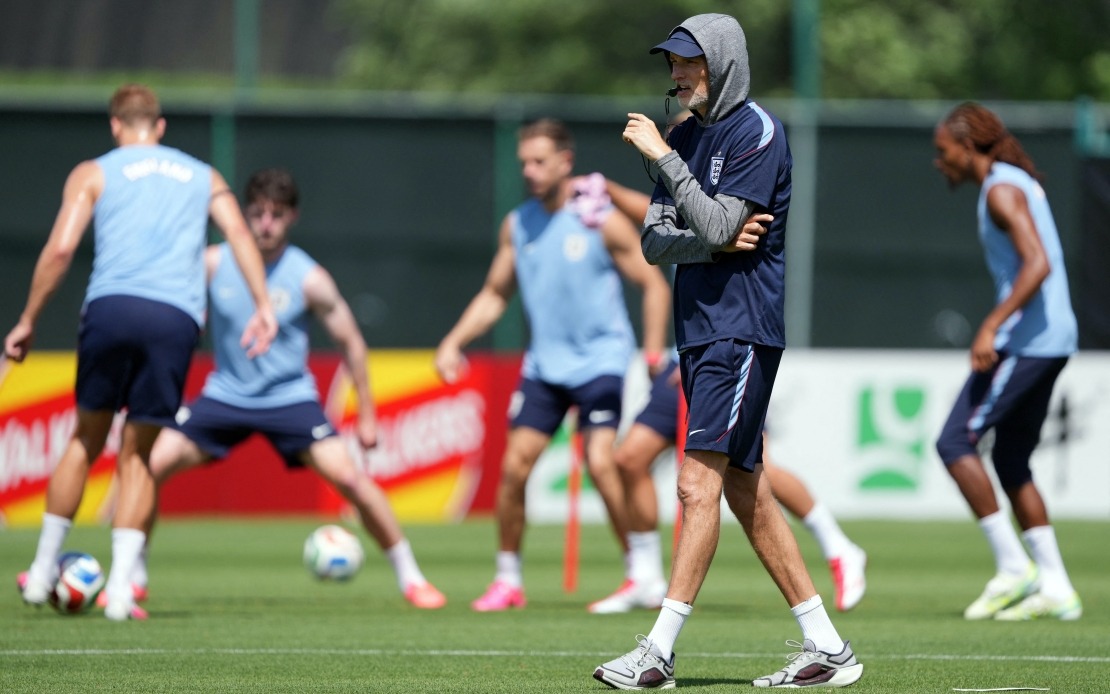
England's World Cup campaign enters its knockout phase on Wednesday with a fixture specially designed for younger viewers, as manager Thomas Tuchel prepares his side to face the Democratic Republic of Congo in a last-32 encounter that will kick off at 5pm UK time in Atlanta. The early afternoon scheduling marks a significant departure from the group stage, when matches against Croatia and Ghana were scheduled for 9pm, with the Panama contest beginning at 10pm. This adjustment to the fixture list opens the tournament to an entirely new demographic of English supporters—children who would normally be in bed during their nation's previous games.
Tuchel has made clear his intention to produce a performance that will inspire and engage this young audience, recognizing the unique opportunity presented by the early kickoff. The England manager understands that simply securing a victory, while paramount from a competitive standpoint, is insufficient if the manner of victory fails to capture the imagination of the next generation of football supporters. He has acknowledged that entertainment in football can take multiple forms, and that demonstrating the passion, commitment, and spirit of the team may prove just as valuable as an aesthetically pleasing display of flowing, attacking football. The intangible qualities of competitive hunger and emotional investment can resonate powerfully with young viewers experiencing their first international tournament.
However, Tuchel has tempered expectations by suggesting that the Congo side may not arrive in Atlanta with the intention of engaging in an open, expansive contest. His comments hint at the possibility that England's opponents could adopt a defensive, pragmatic approach designed to frustrate rather than entertain. In knockout football, particularly when facing an underdog nation, such tactics are commonplace and often prove effective. Tuchel's willingness to acknowledge this possibility suggests strategic sophistication and an understanding that football at this level rarely unfolds according to a predetermined aesthetic blueprint. The match could easily evolve into a tense, tactical battle where defensive solidity and set-piece organization prove decisive.
The manager has attempted to reframe what constitutes entertainment in football, recognizing that his younger audience may not yet possess the analytical tools to appreciate subtle tactical nuances or defensive excellence. Instead, Tuchel believes that conveying the emotional intensity and significance of the occasion—allowing viewers to feel the collective determination and commitment flowing from the television screen—constitutes a form of entertainment in itself. This approach reflects a mature understanding of sports broadcasting, where narrative intensity and emotional authenticity often matter more to casual viewers than technical proficiency. The opportunity to witness their national team at a crucial juncture of the tournament, combined with the knowledge that their heroes are fighting for something genuinely important, can create an indelible memory for young supporters.
England's goalkeeper Jordan Pickford has emphasized the team's preparedness for extended competition should the match not conclude within 90 minutes. Knockout football at the World Cup frequently extends to extra time and penalty shootouts, creating the possibility that the early evening kickoff could stretch well into the night. Pickford's comments reflect thorough training protocols and mental preparation for such scenarios, suggesting that England has invested significant effort in penalty methodology and the psychological demands of sudden-death football. This preparedness extends beyond mere technical practice, encompassing the mental resilience required to maintain focus and composure during the heightened tension of penalty shootouts.
The scheduling decision reveals broader considerations within tournament organization regarding television audiences and viewership patterns. By positioning England's knockout match at a time accessible to younger viewers with school commitments the following day, tournament organizers have demonstrated sensitivity to different audience demographics. This contrasts sharply with the late-evening group stage slots, which accommodated American viewing times and Asian markets but inadvertently excluded the childhood audience. The early afternoon kickoff represents a deliberate attempt to democratize access to international football, ensuring that fixtures reach beyond the traditional adult audience that dominates evening football viewership.
For Malaysian and Southeast Asian football supporters, this England match carries additional significance as it represents the defining moment of the tournament's group winners' progression. The outcome will shape the tournament's trajectory and determine which nations advance further in the competition. While Malaysia and Southeast Asia maintain strong football traditions and passionate fan bases, the performance of established football powers like England continues to influence regional interest in the tournament. England's progression or elimination directly impacts the appeal and narrative momentum of subsequent knockout stages, influencing viewer engagement across the region.
Tuchel's appointment as England manager came with significant expectations and scrutiny, and his tenure has so far produced mixed results in competitive football. The Congo encounter represents an opportunity to demonstrate tactical flexibility and the ability to manage different types of opponents effectively. Knockout football demands different qualities than group stage play, requiring managers to adapt their approach based on opposition characteristics and match circumstances. A convincing performance against Congo could build momentum heading into potential later-stage encounters against more formidable opponents, while a labored victory might expose vulnerabilities that stronger teams could exploit.
The fixture also carries implications for tournament history and the narrative surrounding England's World Cup campaigns. The nation has experienced both triumphant moments and heartbreaking eliminations in knockout stages, and each encounter carries the weight of historical expectation. Younger fans experiencing their first World Cup will form initial impressions of international football based on this performance, potentially shaping their engagement with future tournaments. Tuchel's responsibility extends beyond securing three points; he must also consider the broader cultural impact of how England conducts itself in this global stage.

