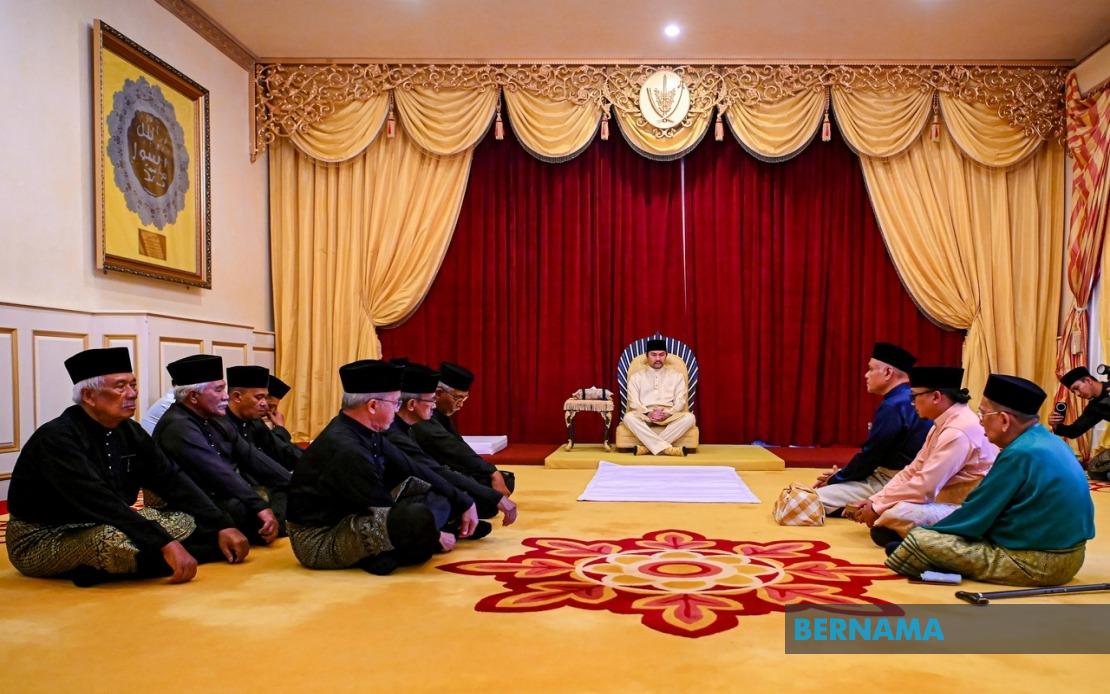
The Yang Dipertuan Besar of Negeri Sembilan, Tuanku Muhriz Tuanku Munawir, has granted royal approval for a formal ceremonial audience tomorrow at Istana Besar Seri Menanti in Kuala Pilah to confirm the appointment of Muhammad Faris Johari as the 11th Undang of Luak Sungei Ujong. The 29-year-old has been selected through the customary processes observed within the luak, completing a succession that follows the removal of his predecessor, Datuk Klana Petra Datuk Mubarak Dohak, from the tenth position.
Tunku Besar Seri Menanti Tunku Ali Redhauddin Tuanku Muhriz conveyed his father's endorsement during a formal audience granted to the Datuk-Datuk Adat of Luak Sungei Ujong and representatives of the customary leadership structure. The gathering took place at the palace in Kuala Pilah, where the royal decree was communicated alongside instructions regarding the procedural aspects of the forthcoming installation ceremony. The announcement represents an important moment in the constitutional and ceremonial affairs of Negeri Sembilan, where the appointment of district leaders, known as Undang, carries significant cultural and administrative weight within the Minangkabau-influenced governance systems of the state.
Waris Negeri Sungei Ujong Datuk Sinda Maharaja Razlan Hamid, speaking on behalf of the luak, confirmed that the selection process adhered strictly to the established adat, or customary law and traditions unique to Luak Sungei Ujong. The Buapak customary council assembly undertook the selection of Muhammad Faris Johari, ensuring that the appointment was conducted through channels that have governed succession within the district for generations. This adherence to traditional protocols is essential within Negeri Sembilan's constitutional framework, where the adat remains a central pillar of legitimacy for appointments to chieftaincy positions.
The Dewan Keadilan dan Undang, the judicial and legal council overseeing such matters, had previously formally accepted the dismissal of the previous Undang, clearing the pathway for the new installation to proceed. Menteri Besar Datuk Seri Aminuddin Harun noted that this decision emerged from a special sitting convened at Istana Besar Seri Menanti and presided over by Tuanku Muhriz himself, underscoring the gravity with which the state leadership treats matters of traditional succession and the maintenance of customary institutions.
The ceremony scheduled for Saturday morning, formally styled as the Istiadat Menghadap Menjunjung Duli Bagi Menyempurnakan Kejadian Undang Luak Sungei Ujong, is a formalisation ritual through which the sovereign prince receives the newly appointed district leader in a ceremonial context that acknowledges the successful completion of the adat selection process. This type of audience serves both symbolic and constitutional purposes, publicly marking the transition of authority and confirming the legitimacy of the appointment through royal recognition. The specific timing and format of such ceremonies are carefully choreographed to reflect the dignity and significance of the moment.
Tunku Ali Redhauddin Tuanku Muhriz provided clear guidance that the adat leaders and customary authorities should coordinate all logistical and preparatory arrangements with the Orang Empat Istana, the palace's administrative body responsible for managing the affairs of the royal household. This delegation of organisational responsibility ensures that both the ceremonial requirements and the practical elements of the audience proceed according to established protocols. The palace official expressed confidence that preparations would unfold without complications, offering his prayers for smooth execution of the event.
Beyond the Sungei Ujong appointment, the same royal audience will also formalise the installation of the 22nd Undang of Luak Rembau, another significant district within Negeri Sembilan. Tuanku Muhriz granted consent for this installation ceremony following his approval the previous day, indicating a broader process of leadership transitions occurring simultaneously across multiple luaks. The clustering of these formal appointments within a single ceremonial event reflects the interconnected nature of Negeri Sembilan's chiefly succession system and the capacity of the state's constitutional structures to manage multiple administrative transitions concurrently.
These proceedings illustrate the enduring relevance of traditional institutional frameworks within Malaysia's constitutional monarchy, particularly in states like Negeri Sembilan where the adat remains woven into governance structures. The formal dismissal and succession of district leaders represents not merely a routine administrative matter but a significant exercise in the maintenance of customary legitimacy. For Malaysian observers, the processes surrounding such appointments demonstrate how tradition and modernity coexist within the state's governance architecture, with royal prerogative and customary law operating in complementary rather than conflicting fashion.
The involvement of the Dewan Keadilan dan Undang in ratifying the previous Undang's dismissal highlights the existence of formal adjudicatory mechanisms designed to address questions of chiefly conduct and fitness for office. The acceptance of dismissal through established legal and customary channels, followed by the selection of a successor through adat procedures and subsequent royal formalisation, represents a complete cycle of institutional action that maintains both the integrity of the chiefly system and the security of positions within it. For those familiar with comparative governance systems in Southeast Asia, such mechanisms offer examples of how traditional institutions can remain functionally integrated into modern state administration.
The appointment of Muhammad Faris Johari, at 29 years old, marks the entry of a younger generation into formal leadership roles within Negeri Sembilan's chiefly hierarchy. His selection through the adat process and impending formal installation through royal audience suggests confidence among customary authorities in his capacity to undertake the responsibilities of the Undang position. The district leadership role typically encompasses not only ceremonial duties but also responsibilities in the maintenance of customary law, the adjudication of land matters governed by adat principles, and the representation of community interests within the broader state governance framework.
For regional observers and those interested in the institutional arrangements of Malaysian states, these developments underscore the particular constitutional position of Negeri Sembilan as a state where traditional adat continues to exercise considerable influence over questions of succession and leadership appointment. Unlike states with sultanates that exercise broader executive authority, Negeri Sembilan's system vests significant power in the Yang Dipertuan Besar and the council of district leaders, the Undang-Undang, making the appointment of individual Undang figures of genuine constitutional importance. The ceremonies and institutional processes surrounding such appointments thus carry meaning that extends beyond symbolic recognition into the operational structures of state governance.

