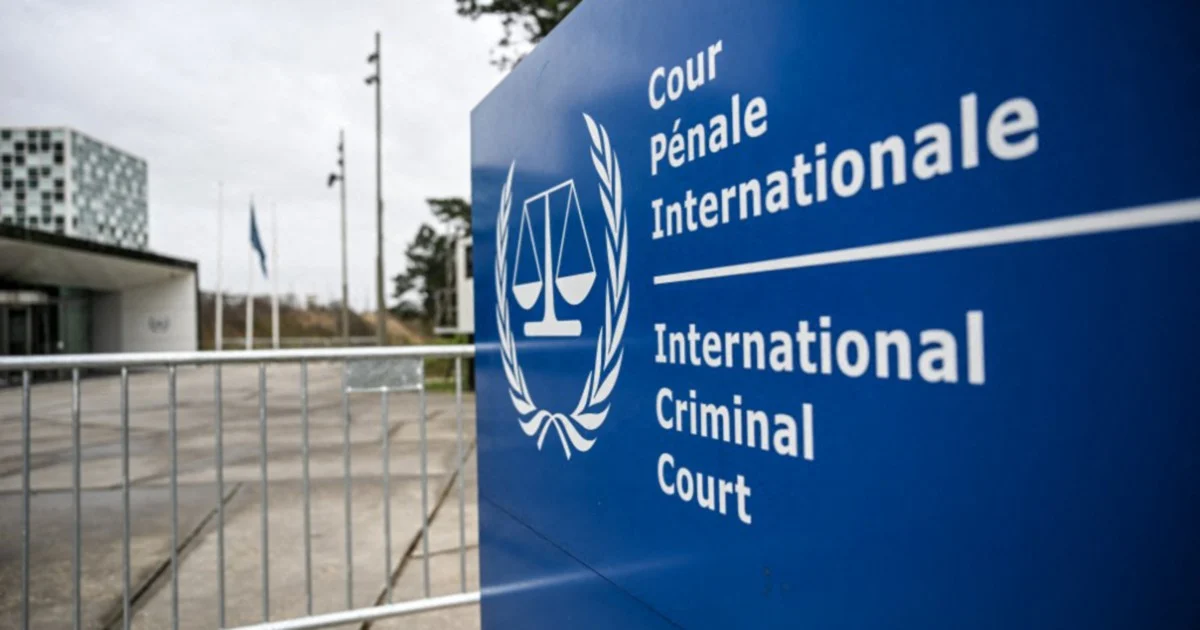
Two United States-based advocacy organisations have initiated legal proceedings against the Trump administration, claiming that enforcement actions targeting the International Criminal Court infringe upon constitutionally protected rights to free speech. The lawsuit was filed on Wednesday as senior American officials intensified a coordinated diplomatic push intended to weaken the institution's operational capacity and international standing.
The constitutional argument centres on the proposition that government-imposed sanctions against the ICC represent an impermissible restraint on the ability of civil society groups to engage in public advocacy, organise awareness campaigns, and provide material support to organisations engaged in international law and human rights work. The groups argue that such restrictions effectively silence domestic discourse surrounding American participation in global judicial mechanisms and accountability frameworks.
This development reflects deepening tensions between the Trump administration and the Hague-based court, which has issued arrest warrants for various political and military figures worldwide. The administration's escalating campaign against the ICC represents a significant departure from decades of American engagement with international institutions, even as the US has traditionally maintained a complex relationship with the court, having never ratified the Rome Statute that established it.
The diplomatic offensive launched by US officials this week signals a coordinated strategy across multiple agencies and departments to pressure ICC member states into reconsidering their support for the institution. This approach includes threat of sanctions, visa restrictions, and economic measures designed to isolate the court and reduce its operational effectiveness on the global stage.
For Malaysian observers and Southeast Asian stakeholders, this confrontation carries substantial implications. The region includes several ICC member states, including Cambodia, which relies on international legal frameworks to address historical atrocities and ongoing human rights concerns. Any weakening of the court's legitimacy or capacity could undermine regional confidence in international accountability mechanisms that many developing nations view as essential counterweights to great power unilateralism.
The broader context involves fundamental questions about the role of international institutions in an increasingly fractured geopolitical landscape. The ICC, despite its controversial aspects and limited enforcement capacity, represents one of the few mechanisms through which individuals accused of crimes against humanity, genocide, and war crimes can face international prosecution. Its weakness or collapse would remove a layer of accountability that many nations, particularly smaller and less powerful states, consider crucial for their security interests.
The lawsuit also highlights tensions within American constitutional law regarding the extent to which the executive branch can restrict private actors' engagement with international organisations deemed hostile to national interests. Previous administrations from both parties have employed sanctions as foreign policy tools, yet this case specifically challenges whether such measures overstep constitutional boundaries when applied to domestic civil society organisations.
Advocacy groups have expressed concern that the administration's actions will chill legitimate activities, including research, legal analysis, and public education about international justice mechanisms. Universities, think tanks, and non-governmental organisations that traditionally engage with ICC proceedings may face legal uncertainty about permissible activities, potentially deterring scholarly and professional participation in international law development.
The Trump administration's diplomatic campaign reflects broader scepticism about international institutions that some American policymakers view as ineffective or contrary to US interests. The administration has signalled its intention to prioritise bilateral arrangements and unilateral action over multilateral commitments, a position that reverses years of American leadership in international law development.
In Southeast Asia, the implications extend beyond abstract principle. Countries throughout the region have grappled with transitional justice challenges, minority rights protections, and accountability for past conflicts. The ICC's existence, whether exercised or merely potential, has influenced how nations approach these sensitive questions and how they signal commitment to international humanitarian standards.
The legal challenge now pending before American courts will test whether executive power to conduct foreign policy through sanctions encounters constitutional limits when applied to the speech and association rights of domestic organisations. Courts may need to balance national security considerations against First Amendment protections, a calculation that could affect the administration's broader sanctions regime.
The outcome of this lawsuit may establish precedent affecting how future administrations can deploy sanctions against international institutions while simultaneously managing domestic free speech protections. For regional actors observing from afar, the case underscores how American domestic constitutional struggles now intersect with international institutions that affect global governance structures.

