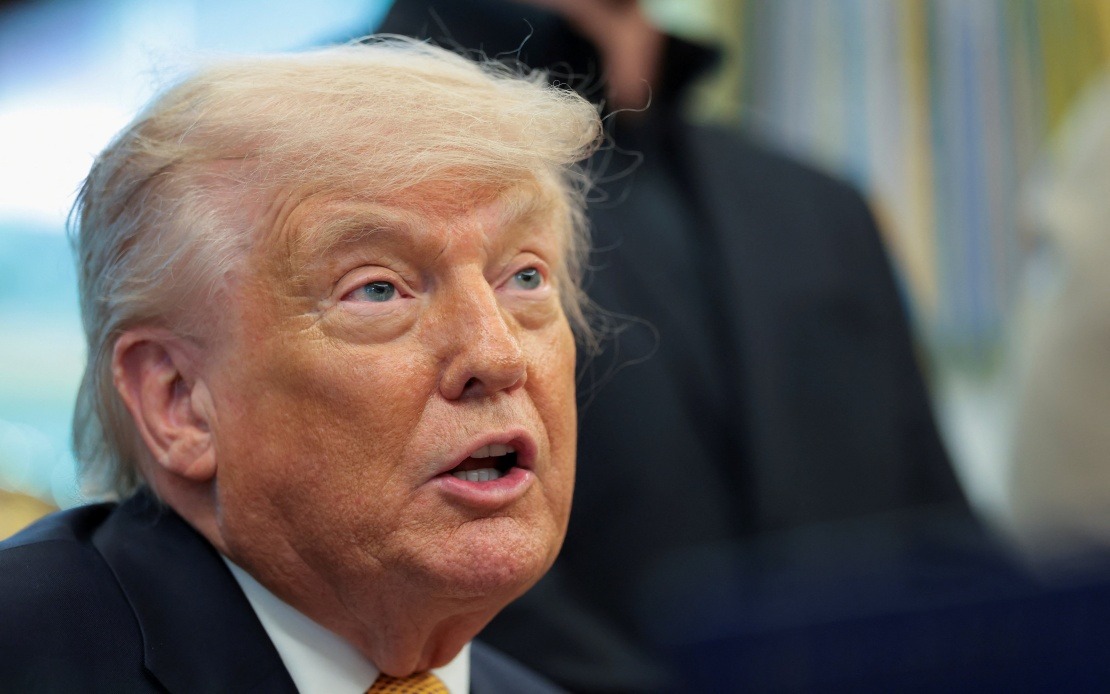
US President Donald Trump expressed confidence on Wednesday that negotiations over Iran's nuclear programme are advancing satisfactorily, as high-level discussions continue in Qatar involving American representatives. Speaking to journalists before departing for North Dakota, Trump characterised the ongoing talks as productive, noting that his appointed envoys Steve Witkoff and Jared Kushner, stationed in Doha, have been conducting substantive meetings with Iranian counterparts through intermediaries. The statement marks a notable emphasis on diplomatic resolution at a time when military tensions between Washington and Tehran have remained elevated throughout the year.
Trump's optimistic assessment appears designed to counter earlier reports suggesting he had contemplated a full resumption of armed conflict with Iranian forces following consultations with senior Pentagon officials, including Defence Secretary Pete Hegseth. Rather than pursuing an escalatory path, the American president has opted to channel his administration's efforts through the negotiating table, indicating that current diplomatic momentum outweighs military options. His characterisation of Iran as having "come a long way" suggests recognition of movement towards potential reconciliation, even as both nations maintain deeply entrenched positions on core issues.
The diplomatic track has been formalised through a memorandum of understanding brokered by Pakistan between Washington and Tehran, which was electronically signed by Iranian President Masoud Pezeshkian and Trump. This framework aims to establish pathways for resolving the prolonged conflict that erupted in late February and addressing accumulated grievances through structured negotiations. The agreement encompasses multiple interconnected objectives: cessation of hostilities across all theatres including Lebanon, removal of economic sanctions, resolution of nuclear development concerns, restoration of full shipping access through the Strait of Hormuz, and establishment of broader security arrangements affecting the entire Middle Eastern region.
Recent reporting from Bloomberg indicated that technical-level discussions in Qatar are yielding tangible progress, suggesting negotiators have moved beyond preliminary posturing into substantive problem-solving. This development carries significance for regional stability, particularly given the involvement of the Strait of Hormuz—a chokepoint through which roughly one-third of global maritime oil commerce passes. Any prolonged disruption to shipping lanes would reverberate through Southeast Asian economies dependent on energy imports and international trade.
Yet considerable diplomatic hurdles remain. Tehran has issued formal denials that direct face-to-face meetings with American representatives have been scheduled, maintaining that all consultations flow through intermediary channels rather than bilateral engagement. This positioning, while seemingly contradicting Trump's description of meetings, actually reflects Iran's negotiating strategy: maintaining rhetorical distance while allowing substantive discussions to proceed. The reliance on intermediaries protects both sides politically—Tehran avoids accusations of capitulation to American pressure, whilst Washington demonstrates to regional allies that it maintains leverage without appearing to grant Iran direct legitimacy.
Trump's references to recent military operations add context to the diplomatic shift. He acknowledged that American forces "hit them very hard last week," implying that the military dimension remains active alongside negotiations. This dual-track approach—combining pressure with dialogue—reflects historical precedent in US-Iran relations, where military demonstration often precedes serious negotiations. However, whether this balance can be sustained without escalation remains uncertain.
For Malaysia and broader Southeast Asia, these developments carry implications across multiple domains. Malaysia's significant maritime interests, particularly concerning freedom of navigation and energy security, depend partly on stability in the Persian Gulf region. Any further deterioration in US-Iran relations could disrupt global energy markets, affecting fuel prices that Malaysian consumers and businesses ultimately bear. Additionally, as a Muslim-majority nation with significant commercial ties across the Middle East, Malaysia maintains careful diplomatic balance and has historical experience mediating regional disputes.
The nuclear dimension of these talks extends beyond bilateral US-Iran concerns. Iran's nuclear programme has been a central preoccupation of international diplomacy for two decades, involving multiple UN Security Council resolutions and previous negotiating frameworks like the Joint Comprehensive Plan of Action. Successful resolution could model pathways for managing other regional nuclear concerns and proliferation risks that affect global security architecture.
Trump's emphasis on diplomatic progress, whilst maintaining military readiness, suggests the administration believes current negotiations possess sufficient momentum to warrant sustained engagement. Whether this optimism reflects genuine breakthrough progress or represents positioning ahead of potential future escalation remains unclear from public statements alone. Observers should monitor subsequent announcements from both Washington and Tehran for concrete indicators—such as specific sanctions relief measures, nuclear facility access arrangements, or ceasefire implementation timelines—that would substantiate Trump's optimistic characterisation.
The involvement of Pakistan as broker deserves note, reflecting Islamabad's regional standing and historical experience mediating between Washington and Tehran. Pakistan's role signals that resolution efforts extend beyond bilateral channels and incorporate regional stakeholders with established diplomatic relationships across competing power blocs.
As negotiations continue in Qatar, the trajectory of these talks will significantly influence Middle Eastern stability and, by extension, global economic and security conditions. For Malaysian policymakers, developments merit close attention given potential impacts on maritime security, energy markets, and regional geopolitical alignments. The coming weeks will reveal whether Trump's characterisation of progress translates into substantive agreements or proves merely optimistic framing of preliminary discussions.

