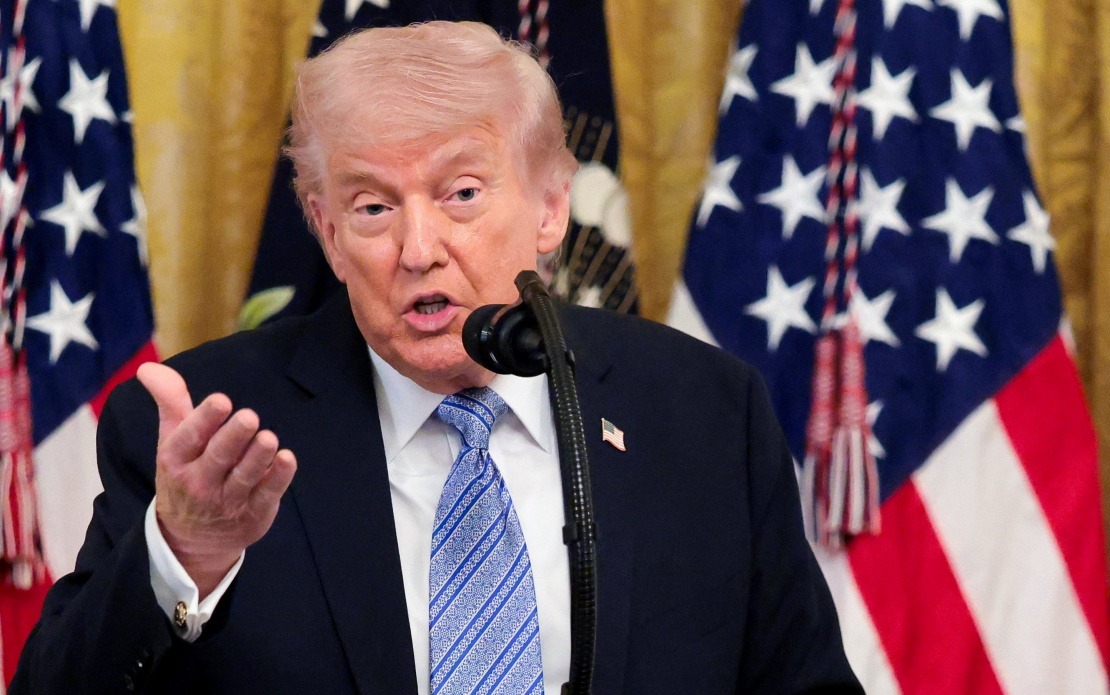
US President Donald Trump has declared an end to active negotiations with Iran, stating flatly that no talks are currently occurring or scheduled with the Islamic Republic. The announcement, made via his Truth Social platform, represents a significant reversal from weeks of behind-the-scenes diplomatic activity that had seen tentative progress between Washington and Tehran. Trump's pronouncement came as senior administration officials confirmed the president had directly instructed his key envoys, including Vice President JD Vance, special envoy Steve Witkoff, and Middle East advisor Jared Kushner, to halt their ongoing conversations with Iranian representatives.
The abrupt termination of dialogue channels reflects a broader strategic recalibration within the Trump administration. According to sources familiar with internal discussions, the White House has fundamentally shifted its Iran policy framework, moving away from an approach centred on swift, aggressive action toward a more protracted strategy of sustained pressure designed to gradually weaken Tehran's position. This tactical reorientation suggests the administration now favours economic strangulation and diplomatic isolation over rapid military escalation, a markedly different posture from earlier rhetoric calling for immediate confrontation.
The timing of Trump's announcement proved particularly notable given that Jared Kushner had only days earlier held substantive discussions with Israeli Prime Minister Benjamin Netanyahu regarding regional affairs, including the ongoing Gaza situation. Following that meeting, Kushner publicly characterised communications between Washington and Tehran as increasingly robust, suggesting momentum toward potential agreement. His assessment indicated that dialogue channels had actually strengthened considerably, contradicting the president's current position and raising questions about the speed and extent of the policy reversal.
For Malaysian observers and Southeast Asian policymakers, this development carries significant implications for regional stability. The Strait of Hormuz, through which approximately 21 percent of global petroleum passes, remains a critical chokepoint for international commerce and energy security. Trump's assertion that the waterway remains open and that all naval mines have been cleared provides temporary reassurance to regional trading partners heavily dependent on uninterrupted maritime access. However, the underlying volatility of US-Iran relations continues to pose risks to shipping lanes and energy prices affecting economies throughout Southeast Asia.
The backdrop to this latest policy shift involves a complex recent history of escalating tensions punctuated by unexpected diplomatic openings. In April, Tehran and Washington had negotiated a ceasefire agreement aimed at de-escalating military hostilities. This was followed in June by a memorandum of understanding designed to establish a framework for ending their broader conflict and achieving a durable peace settlement. Yet these agreements proved fragile, collapsing within weeks as both sides resumed tit-for-tat military operations, with an intensifying cycle of attacks spanning nearly a fortnight.
Trump's sudden decision to halt the bombardment campaign appeared initially to signal renewed commitment to negotiated settlement, with his instruction to envoys seemingly intended to facilitate further talks. The current reversal suggests that interim discussions failed to produce sufficient concessions or breakthroughs to justify continued engagement from the president's perspective. The shift also reflects broader geopolitical considerations, including the administration's prioritisation of Israeli security concerns and its assessment of how various pressure mechanisms might influence Iranian calculations.
The involvement of Kushner and Witkoff in negotiations underscores the administration's emphasis on personalised diplomacy conducted through trusted advisors rather than traditional diplomatic channels. This approach has produced mixed results historically, sometimes enabling creative problem-solving but occasionally creating confusion or inconsistency in messaging. The current situation, where the president's public statements appear to contradict recent optimistic assessments from his own envoys, illustrates potential vulnerabilities in such informal negotiating structures.
For nations throughout Southeast Asia concerned with maintaining stable energy supplies and predictable maritime commerce, the uncertainty surrounding US-Iran relations creates genuine challenges. Any escalation of military confrontation could disrupt oil shipments, raise global energy costs, and create unpredictable geopolitical complications. Malaysia, as a significant petroleum importer and a nation with substantial maritime interests, faces potential economic spillover effects from renewed Washington-Tehran tensions.
The declared maintenance of naval operations in the Persian Gulf and Trump's emphasis on keeping the Strait of Hormuz accessible suggests the administration remains committed to preventing Iranian blockade attempts or aggressive actions against commercial shipping. Simultaneously, however, the shift toward longer-term economic and diplomatic pressure rather than immediate military action indicates the administration has concluded that incremental weakening of Iranian capabilities serves American interests more effectively than rapid military confrontation at this particular moment.
Regional observers in Southeast Asia must now consider how this policy recalibration might influence broader Middle Eastern dynamics affecting the wider Indo-Pacific. Should the Trump administration successfully implement sustained pressure tactics against Iran while maintaining military deterrence through ongoing naval presence, the regional balance could stabilise. Conversely, if renewed tensions eventually escalate into wider conflict, the consequences for global commerce and Asian economies could prove substantial and destabilising.

