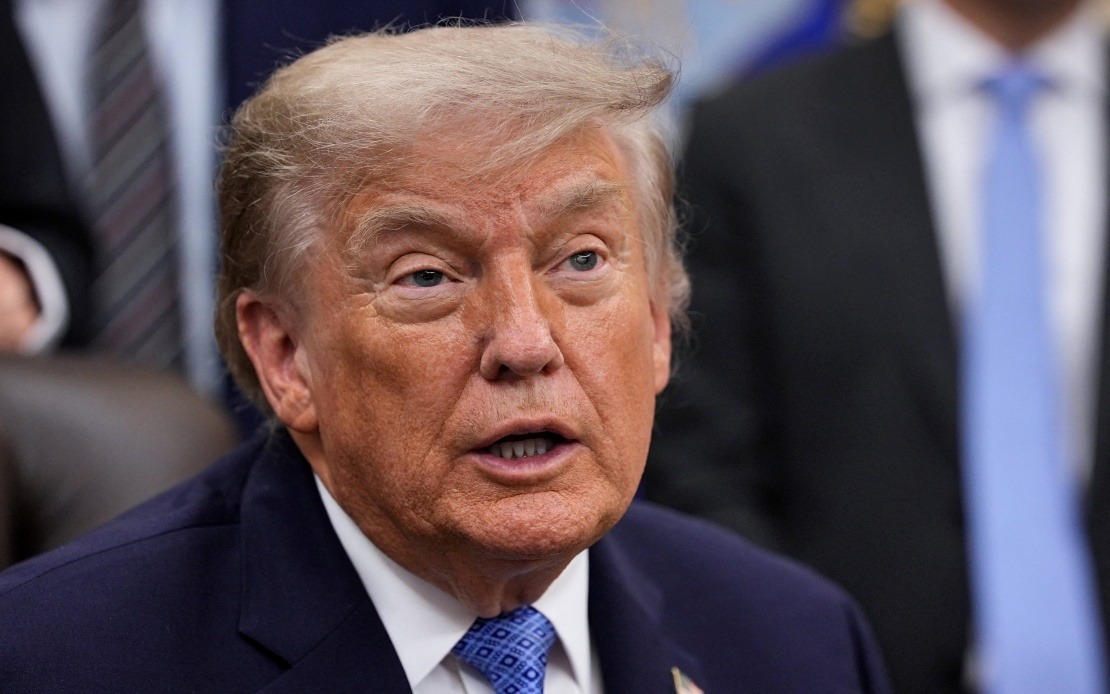
US President Donald Trump announced late Tuesday that he would postpone implementing a 50 per cent tariff on Canadian imports, stepping back from a deadline set to take effect the following morning. The pause, which Trump revealed through his Truth Social platform, represents a significant shift in the administration's approach to trade tensions with Canada and signals that negotiators have made sufficient headway to warrant a temporary cessation of the planned economic pressure.
The three-day reprieve provides both nations with a critical window to finalise what Trump characterised as an agreement already substantially agreed in principle. The tariffs would have targeted approximately C$30 billion ($22 billion) worth of Canadian goods, representing a substantial portion of bilateral trade that would have reverberated through supply chains across North America. By pausing rather than cancelling outright, Trump maintained leverage while demonstrating willingness to negotiate—a calculated approach that acknowledges Canada's economic importance to the United States whilst reserving the threat of future action.
The announcement followed intensive negotiations between Trump and Canadian Prime Minister Mark Carney, who had been working to avert the tariff measures before the midnight deadline expired. Carney's direct engagement with the US President reflects Ottawa's understanding that the tariff threat posed a genuine economic risk requiring highest-level attention. The timing and tone of Trump's announcement suggest that Canadian negotiators successfully persuaded the administration that a workable settlement was within reach, warranting restraint rather than immediate implementation of trade restrictions.
Beyond the immediate tariff question, Trump's statement introduced a potentially transformative element by suggesting the agreement could facilitate revival of the Keystone XL pipeline. This cross-border energy infrastructure project, which would transport crude oil from Alberta to refineries in the United States, became a symbolic focal point for competing North American energy and climate agendas. The Biden administration had cancelled Keystone XL in 2021, citing climate concerns and indigenous rights considerations. The prospect of its resurrection under Trump signals a fundamental reorientation of US energy policy and reflects the administration's prioritisation of continental energy integration over climate constraints.
For Malaysia and broader Southeast Asian trade dynamics, the Canada-US tariff pause carries indirect but meaningful implications. North American economic stability and the functioning of integrated supply chains influence global commerce patterns and investor confidence across regions. Any protectionist escalation between major trading partners typically prompts ripple effects—increased costs for consumers, supply chain disruptions, and reduced cross-border investment. Conversely, successful trade negotiations in North America can restore market confidence and encourage more open trade policies globally.
The tariff situation also illustrates how contemporary trade tensions increasingly intertwine with energy security and climate policy considerations. The potential Keystone XL revival demonstrates that trade disputes extend beyond traditional tariff negotiations to encompass infrastructure, environmental standards, and geopolitical influence. For developing economies dependent on stable global trade frameworks and predictable energy supplies, these North American dynamics warrant close monitoring, as they often establish precedents that reverberate through international commerce.
The three-day pause structure itself deserves analytical attention, as it represents a negotiating tactic that maintains pressure whilst demonstrating flexibility. This approach acknowledges that comprehensive trade agreements require time for documentation finalisation and legislative or regulatory approval, depending on the agreement's scope and nature. By setting a short deadline rather than an extended negotiation period, Trump effectively compressed the timeline while signalling that further delays would trigger automatic tariff implementation. Such tactics increasingly characterise contemporary trade diplomacy, where governments balance the need for substantive agreement with the requirement to demonstrate resolve to domestic constituencies.
Market reactions to the tariff pause would likely reflect investor relief that an immediate trade disruption had been averted, though uncertainty regarding the broader trajectory of North American trade policy would persist. The conditional nature of the pause—contingent on finalising documents—meant that negotiations could still collapse if parties disagreed on specific terms. Canadian exporters, energy companies, manufacturers, and agricultural producers would remain in a state of qualified uncertainty, unable to fully resume normal business planning until the three-day period concluded with either a formalised agreement or renewed tariff threats.
The involvement of energy infrastructure in trade negotiations underscores how contemporary trade diplomacy operates at the intersection of multiple policy domains. Trump's reference to Keystone XL suggested that the administration viewed pipeline development as integral to a comprehensive North American settlement, not merely peripheral to tariff negotiations. This bundling of issues—combining tariff relief with energy infrastructure approval—reflects sophisticated negotiating strategy that addresses multiple stakeholder concerns simultaneously and increases the attractiveness of a settlement to various political constituencies.
Canada's willingness to engage directly with Trump administration officials and the apparent progress achieved within the compressed timeframe suggest that both nations recognised the mutual costs of prolonged trade conflict. Canadian manufacturers, exporters, and workers would have borne significant economic costs from the tariffs, whilst US consumers would have faced higher prices for Canadian imports. The rapid movement toward a settlement implied that negotiators on both sides calculated that the costs of conflict exceeded the benefits of maintaining hardline positions, at least temporarily.

