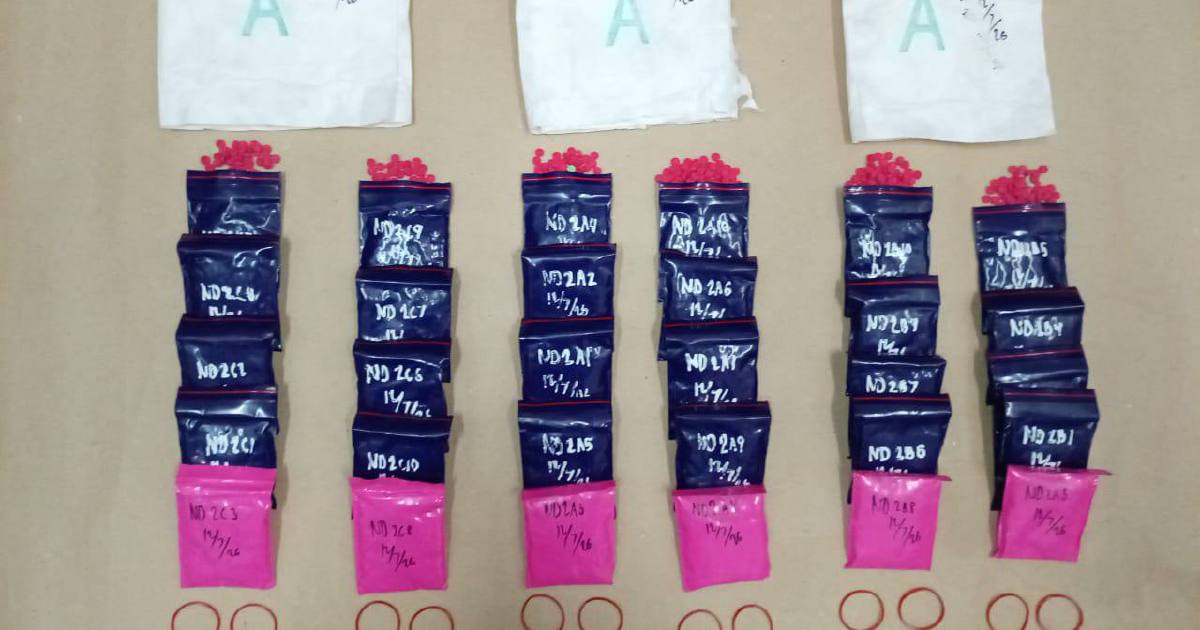
Police in Kelantan moved swiftly to dismantle a drugs trafficking operation when officers apprehended a 35-year-old tow truck agent yesterday, seizing a substantial haul of methamphetamine pills that underscores the persistent drug problem in Malaysia's northeastern state. The arrest came after authorities uncovered 6,000 yaba pills stashed within a vehicle at Jalan Kubang Batang near Wakaf Bharu, with the contraband carrying an estimated street value of RM60,000. The operation reflects ongoing law enforcement efforts to combat drug distribution networks that leverage seemingly legitimate business operations as cover for illicit activities.
The seizure highlights a troubling pattern whereby individuals employed in transport-related industries—including tow truck services, courier operations, and logistics companies—have increasingly become ensnared in drug smuggling networks. The mobility and access afforded by such employment makes these positions attractive to traffickers seeking to move narcotics across state borders and into populated urban centres. The suspect's occupation provided both geographical reach and a veneer of legitimacy that could easily mask the movement of contraband goods through routine business operations.
Yaba, also known as "Nazi dope" or methamphetamine pills, represents one of Southeast Asia's most prevalent synthetic drugs. These small red tablets are particularly popular in Malaysia, Thailand, and Myanmar, where they command high prices on the street market. A single pill typically retails for between RM8 and RM15 depending on location and availability, making the seized 6,000 units a commercially significant catch. The stimulant properties of yaba create strong addiction potential, with users experiencing heightened alertness and energy followed by severe crashes that drive repeated consumption patterns.
Kelantan has emerged as a critical transit point for drug trafficking operations moving between Thailand and peninsular Malaysia. The state's geographic position along major trafficking routes, combined with porous borders and established smuggling networks, creates an environment conducive to large-scale drug operations. Border towns like Tumpat and Pasir Mas have repeatedly featured in police reports documenting arrests and seizures, suggesting that criminal syndicates view the region as a key distribution hub. This latest apprehension demonstrates that enforcement agencies maintain active intelligence operations within these vulnerable zones.
The methamphetamine trade in Malaysia generates billions of ringgit in illicit revenue annually, enriching organised crime networks while fuelling downstream social problems including addiction, petty crime, and family breakdown. Yaba pills specifically appeal to younger demographics and construction workers, both groups seeking cheap stimulants to enhance productivity or escape daily hardships. The accessibility and affordability of yaba compared to other synthetics make it the drug of choice for traffickers targeting mass markets rather than niche clienteles. This democratisation of drug availability has expanded the user base considerably over the past decade.
Law enforcement agencies across the region have intensified interdiction efforts in response to rising seizures and consumption patterns. The Royal Malaysian Police, working in coordination with the Border Security Force and customs authorities, conducts regular checks at checkpoints, commercial vehicles, and transit hubs. The apprehension of this tow truck agent suggests that such vigilance continues to yield results, disrupting supply chains before substantial quantities reach street-level dealers. However, the sheer volumes of drugs intercepted annually indicates that enforcement addresses only a portion of total trafficking flows.
The investigation into this particular case will likely examine the suspect's links to larger distribution networks, including his sources of supply and intended customer base. Police typically pursue such inquiries to identify upstream suppliers and downstream distributors, with the goal of dismantling entire operational structures rather than simply removing individual traffickers. Cooperation with Thai authorities is frequently necessary in cases involving cross-border dimensions, as most yaba destined for Malaysian markets originates in clandestine laboratories in Thailand's northern regions.
The case also underscores vulnerabilities within Malaysia's transport sector that organised criminals exploit. Training programmes for drivers, courier staff, and logistics operators to recognise and report suspicious activities represent one preventive approach. However, economic desperation drives many individuals toward drug trafficking participation, whether as transporters, dealers, or lookouts. Addressing the root causes requires employment opportunities and social interventions alongside enforcement operations.
Prosecution of drug trafficking cases in Malaysia routinely results in substantial prison sentences, particularly when quantities exceed specified thresholds. The 6,000 pills seized in this instance clearly constitutes trafficking for distribution purposes rather than personal consumption, placing the suspect at risk of lengthy incarceration if convicted. Sentencing guidelines reflect parliament's determination to impose severe penalties as deterrents against participation in the drug trade. The public health and social order implications of widespread synthetic drug availability justify the legal framework's punitive approach.
Looking forward, this arrest reinforces the necessity of sustained investment in border security infrastructure, intelligence gathering, and community-based prevention programmes. As criminal organisations continuously adapt their methods and routes in response to enforcement actions, authorities must remain equally agile in their counter-strategies. The seizure of RM60,000 worth of yaba represents meaningful progress, yet the broader context of regional drug trafficking suggests that single operations address only symptoms rather than underlying supply dynamics that continue fuelling consumption patterns across Malaysia.

