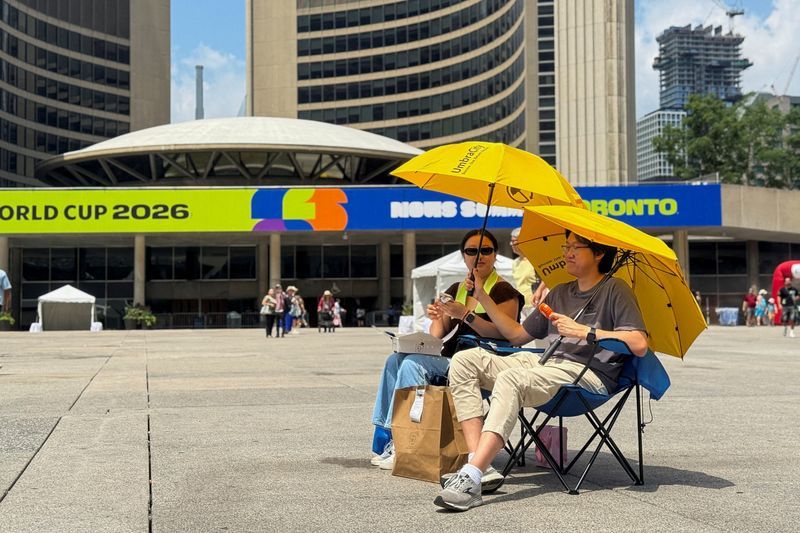
Public health officials in Toronto issued urgent hydration guidance on Tuesday as the Canadian city prepares to host Portugal's World Cup round of 32 encounter against Croatia on Thursday, with forecasters predicting dangerously high temperatures compounded by humidity. Michelle Murti, Toronto's medical officer of health, emphasized the importance of proactive fluid intake rather than waiting for thirst to kick in, and cautioned fans that alcoholic beverages would only worsen dehydration during the sweltering outdoor conditions.
Environment Canada's forecast indicates temperatures will climb above 35 degrees Celsius, with the heat index potentially reaching 40 degrees Celsius when humidity is factored in. This combination creates a particularly hazardous environment for large crowds gathering in open-air fan zones and around the venue. The agency also flagged the possibility of thunderstorms developing, adding another layer of unpredictability to the day's weather pattern and potentially forcing the cancellation of some organized viewing activities.
Toronto Stadium, the smallest venue hosting matches throughout the tournament, will stage its final World Cup competition on Thursday evening. The city has been actively engaged in fan engagement, establishing multiple public viewing areas and watch parties across the downtown core. However, these outdoor gatherings now face complications from the extreme weather, forcing organizers to reassess safety protocols and contingency arrangements.
Canada has endured an unusually turbulent weather season this year, with regions spanning from the Pacific coast to the Atlantic experiencing severe conditions ranging from destructive flooding to dangerous heat waves. The confluence of these environmental challenges has strained municipal services and forced residents and visitors alike to take precautions. This particular weather event arrives as Canadians prepare for Wednesday's Canada Day national holiday, traditionally marked by outdoor celebrations that may now face disruption.
The city installed misting stations at Nathan Phillips Square, Toronto's iconic downtown landmark, to provide temporary relief for crowds gathered to enjoy the tournament. These facilities have become popular gathering points as residents and international visitors seek ways to cool down while following the matches. The infrastructure investment reflects municipal recognition of the genuine health risks posed by the combination of high temperatures and large crowds in direct sunlight.
Fan reactions revealed genuine concern about the challenging conditions. Megan Rennie, a local resident, expressed worry not only about her own comfort but also about the physical demands being placed on the athletes competing in such extreme circumstances. She acknowledged the likelihood of leaving early due to the intensity of the heat, illustrating how even committed supporters may struggle to remain in outdoor viewing areas for extended periods.
International visitors to Toronto have similarly grappled with the unexpected severity of the weather. Laura Albarez, who travelled from Colombia to experience the tournament, noted that despite being accustomed to warm climates, the intensity of Toronto's heat combined with humidity levels proved overwhelming. Her instinct to retreat indoors and delay outdoor activities until cooler evening hours reflected a rational response to dangerous conditions.
Murti's specific public health messaging addressed a common misconception about managing heat exposure. Many people underestimate the importance of consistent water consumption, relying instead on thirst as an indicator of hydration need. This approach proves dangerously inadequate during extreme heat events, when the body's mechanisms can fail to signal thirst sufficiently before dehydration reaches problematic levels. Her additional caution regarding alcohol consumption carries particular relevance for social gatherings centered around sporting events, where attendees might not recognize how quickly alcoholic beverages compromise the body's heat-regulation capabilities.
For Malaysian and Southeast Asian observers, Toronto's experience serves as a sobering reminder of the challenges posed by extreme weather during major international events. While tropical climates in the region are accustomed to high temperatures year-round, the combination of temperature and humidity that Toronto faces represents conditions that can overwhelm urban infrastructure and public services not designed for such circumstances. The Canadian city's proactive approach—from issuing formal health guidance to installing cooling infrastructure—demonstrates best practices for managing public safety during meteorological emergencies.
The timing of the match during the daytime heat peak, combined with the outdoor nature of fan gatherings, created a perfect storm of risk factors. Event organizers faced difficult decisions about maintaining the schedule versus postponing for safety reasons, a tension that highlights how climate variability increasingly constrains sporting calendars globally. For a tournament held in a non-traditional location for football's world championship, adaptation to local climatic realities became an unexpected operational priority.
Looking ahead to Thursday's match, Toronto's municipal authorities will closely monitor conditions and remain prepared to activate emergency response protocols should heat-related incidents occur. Medical personnel stationed at viewing venues will be briefed on heat illness recognition and treatment. The episode underscores how major international sporting events, increasingly vulnerable to unpredictable weather patterns, require sophisticated risk management strategies that extend far beyond the playing field.

