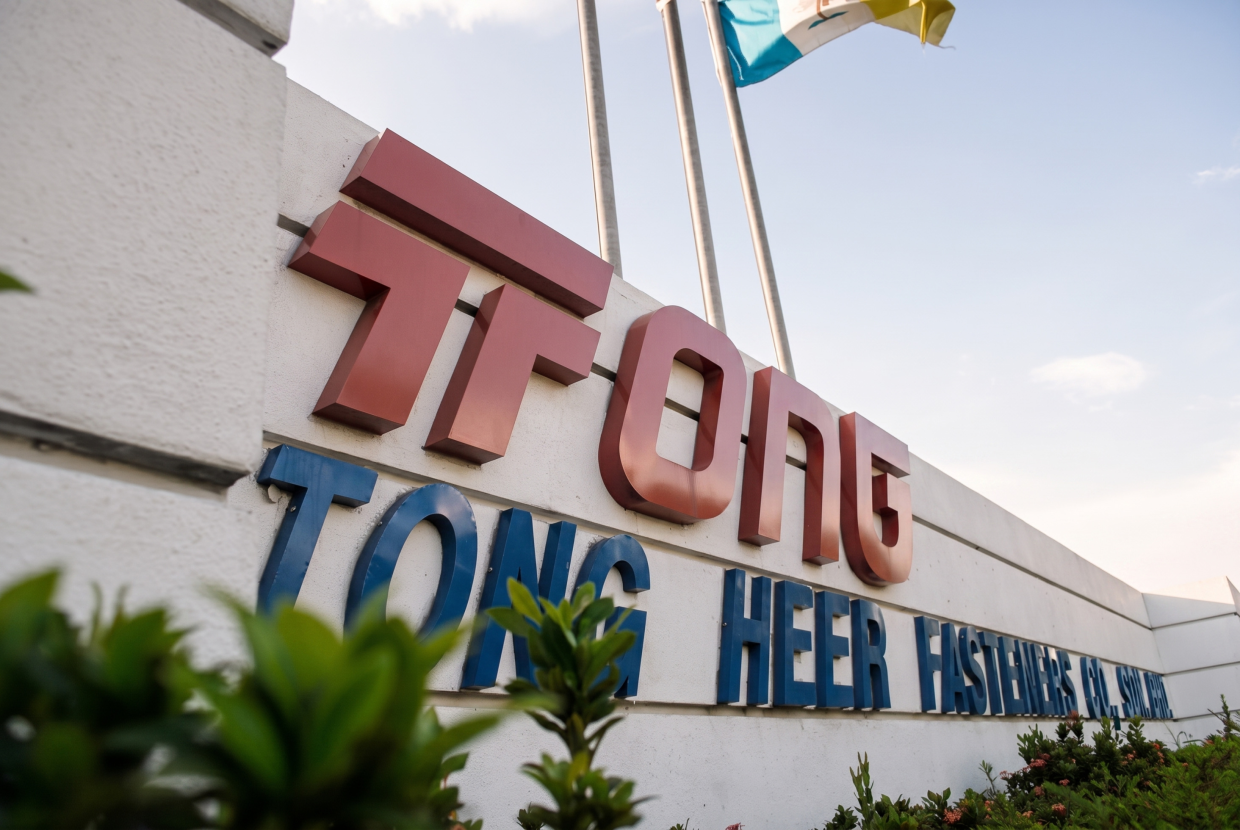
Major shareholders of Tong Herr have launched a privatisation proposal valuing the fastener and aluminium extrusion manufacturer at RM2.55 per share, marking a significant departure from its current public market status. The initiative comes from Allrich Corp and Richard Holdings Ltd, who collectively control 74.5% of the company alongside their joint partners and associated corporate structures, according to filings lodged with Bursa Malaysia. The proposed price represents a 34.2% premium to the company's last trading close of RM1.90, though calculations based on recent trading data suggest a 41.7% uplift from the RM1.80 close recorded on August 5, 2026.
The privatisation scheme would be executed through a selective capital reduction and repayment mechanism, a structured approach commonly employed in Malaysian corporate transactions to facilitate orderly investor exits. This mechanism allows the company to return capital to shareholders whilst simultaneously simplifying its corporate structure and removing the overhead associated with public company obligations. Such transactions have become increasingly common among smaller-cap companies facing persistent liquidity constraints, as the costs of regulatory compliance and market surveillance often outweigh the benefits of maintaining a public listing.
Tong Herr's position as a thinly traded security provides the commercial backdrop for this proposal. The company has recorded an average daily trading volume of merely 21,075 shares over the three-year period leading up to the announcement, representing just 0.05% of its free float. This minimal turnover indicates a substantial disconnect between the company's asset base and investor appetite, a scenario that both constrains capital raising capacity and imposes ongoing regulatory burdens. For minority shareholders, the selective capital reduction mechanism offers an immediate liquidity event at a premium valuation, resolving the practical difficulty of selling shareholdings in a market characterised by chronically low trading activity.
The proponents argue that privatisation would unlock operational flexibility whilst enabling the company to pursue growth strategies without the resource allocation required to sustain listing compliance. Publicly listed companies across Malaysia face escalating administrative and reporting obligations, from continuous disclosure requirements to investor relations management, all of which divert management attention and corporate resources from core commercial activities. Tong Herr, as a mid-sized industrial manufacturer engaged in producing stainless steel fasteners and aluminium extrusions, could theoretically benefit from reduced quarterly earnings scrutiny and simplified capital structure management. This positioning reflects a broader industry trend in which smaller manufacturers reconsider the utility of public equity exposure when primary funding requirements can be met through alternative channels.
The transaction framework incorporates substantial shareholder protection mechanisms that reflect Malaysian regulatory expectations for such schemes. Approval requires a special resolution at an extraordinary general meeting, necessitating endorsement by a majority in number of non-interested shareholders and 75% in value of their voting shares. Additionally, the scheme cannot proceed if more than 10% in value of all non-interested shareholder votes are cast against the proposal, a veto provision that ensures minority shareholders retain meaningful blocking rights. Subsequent confirmation by the High Court provides a judicial safeguard, ensuring that the transaction satisfies statutory requirements and does not materially prejudice non-consenting shareholders.
Tong Herr's non-interested directors face the responsibility of evaluating whether the proposal serves the legitimate interests of minority shareholders and whether the offered price reflects fair value. This assessment extends beyond mere numerical analysis to encompass qualitative factors including the company's growth prospects, sector outlook, and the genuineness of liquidity constraints versus strategic repositioning by dominant shareholders. The deliberation period provides an opportunity for independent directors to commission valuation advice, analyse comparable transactions, and assess whether alternative structures might better serve shareholder interests. Their recommendation will significantly influence whether minority shareholders ultimately endorse or reject the scheme.
The fasteners and aluminium extrusion sectors occupy important niches within Malaysia's broader industrial economy, serving automotive, construction, electrical, and general manufacturing applications. These are mature, competitive sectors characterised by thin margins and considerable price sensitivity, particularly given competition from regional suppliers in Indonesia, Thailand, and China. Tong Herr's ability to differentiate itself through quality, reliability, and supply chain responsiveness rather than cost leadership suggests that private ownership might enable longer-term strategic orientation without quarterly earnings pressures. However, the absence of public equity currency could also constrain the company's capacity to pursue growth acquisitions or expand geographic presence through equity-financed transactions.
From a broader Malaysian capital markets perspective, the privatisation proposal reflects persistent challenges confronting smaller public companies. Bursa Malaysia's Main Market hosts numerous issuers whose market capitalisation and trading activity bear little relationship to their operational significance or asset quality. This disconnect between listing status and market viability has prompted periodic strategic reviews from various quarters regarding the appropriateness of maintaining comprehensive listing infrastructure for companies with chronically depressed trading activity. Whilst privatisation represents one rational response, it also represents a loss of public company discipline and access to capital market mechanisms, trade-offs that shareholders must conscientiously evaluate.
The timeline for executing the transaction, should shareholders approve, remains dependent upon regulatory processing and court confirmation procedures. Malaysia's regulatory framework for such schemes has become increasingly streamlined over successive years, though judicial confirmation still requires substantive courtroom proceedings. Once approved and completed, Tong Herr would transition to private ownership, with its constituent shareholders either retaining their investments or receiving cash proceeds at the stipulated price. The resulting structure would likely enable more flexible capital allocation, including potential dividend distributions or reinvestment into capacity enhancement without the compliance overhead currently incurred.

