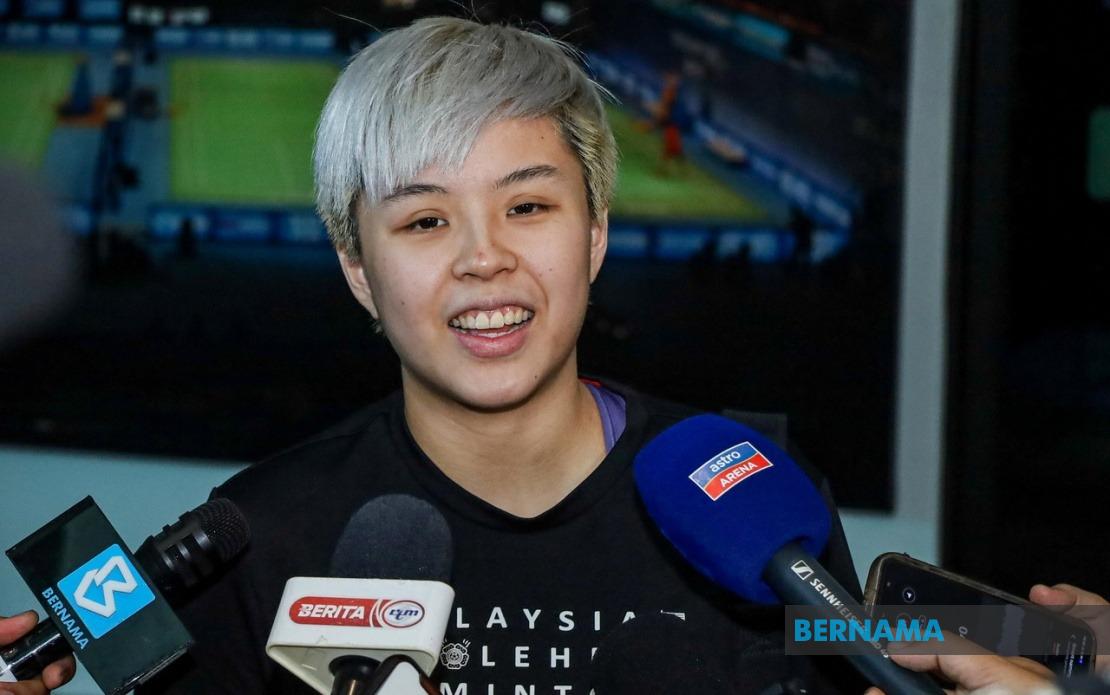
Toh Ee Wei, Malaysia's national mixed doubles badminton player, has successfully completed surgical intervention on her left knee in Melbourne, Australia, marking a significant milestone in her recovery from a serious injury incurred during competition. The Badminton Association Malaysia confirmed that the anterior cruciate ligament procedure was completed on June 30, with the athlete now transitioning into an intensive rehabilitation phase aimed at restoring full function and returning her to competitive play.
The injury that necessitated surgical intervention occurred during the Singapore Open 2026 quarter-final matches held in May, when Ee Wei sustained acute damage to her ACL—one of the most critical ligaments stabilising the knee joint. Such injuries are particularly significant in badminton, a sport demanding explosive lateral movements, rapid directional changes, and sustained explosive power generation from the lower limbs. The decision to pursue surgical repair rather than conservative management underscores the severity of the injury and its potential long-term impact on her athletic career.
BAM's statement emphasised the organisation's commitment to comprehensive support throughout Ee Wei's recovery process, pledging continued medical oversight and structured rehabilitation programming. This institutional backing is crucial for athletes recovering from major joint injuries, as the rehabilitation pathway typically extends across several months and requires coordinated efforts between physiotherapists, sports medicine specialists, and strength and conditioning professionals. The association's explicit commitment signals recognition of both Ee Wei's value to Malaysia's badminton programme and the organisation's responsibility to facilitate the athlete's successful return to international competition.
In a personal message included within the official announcement, Ee Wei expressed gratitude for the overwhelming encouragement received from supporters and well-wishers during the preceding weeks. The emotional dimension of recovery from career-threatening injury should not be underestimated; athletes facing extended periods away from competition often experience psychological challenges alongside physical rehabilitation demands. The public expression of appreciation likely reflects the athlete's recognition that recovery from major injury requires sustained motivation and emotional resilience, factors that public support can meaningfully influence.
Ee Wei's stated determination to commit fully to the rehabilitation process reflects a professional approach common among elite athletes confronting serious setbacks. Her emphasis on returning to competitive play "stronger" suggests an aspiration to use recovery time for comprehensive physical development beyond merely restoring pre-injury capacity. This perspective can transform injury challenges into opportunities for enhanced conditioning and potentially improved performance.
The timing of injury during the Singapore Open represents a disruption to what appeared to be a productive competition schedule for Malaysian mixed doubles combinations. The impact extends beyond the individual athlete, potentially affecting partnership dynamics and overall team composition in Malaysia's badminton contingent. Coaches and administrators must navigate strategic adjustments while Ee Wei undertakes recovery, potentially involving revised partnership arrangements and adjusted competition planning for upcoming international tournaments.
ACL injuries in badminton carry particular significance because the ligament is essential for maintaining knee stability during the sport's characteristic cutting movements and explosive directional transitions. Recovery protocols typically include several phases: initial inflammation management, restoration of basic range of motion and strength, progressive return to functional movement patterns, and finally sport-specific training gradually reintroducing the demands of competitive play. Complete rehabilitation from ACL reconstruction ordinarily requires six to twelve months, depending on individual healing rates and rehabilitation intensity.
The choice to pursue surgical treatment in Australia reflects Malaysia's sophisticated approach to athlete medical care, with access to internationally recognised sports medicine facilities and specialists. This geographical displacement during recovery, while ensuring optimal medical treatment, also creates logistical challenges for ongoing training supervision and psychological support within the athlete's familiar environment.
For Malaysian badminton supporters and stakeholders, Ee Wei's injury and recovery trajectory carry broader implications for national team composition and competitive prospects in upcoming international tournaments. Mixed doubles combinations are crucial components of Malaysia's badminton medal prospects at major championships, making individual athlete injuries significant events within the broader competitive landscape. The speed and completeness of Ee Wei's recovery will directly influence Malaysia's tactical options and competitive capacity in this discipline.
Looking forward, Ee Wei's rehabilitation will represent a substantial test of both personal resilience and institutional support systems. Her eventual return to international competition will provide important evidence regarding recovery outcomes and may influence approaches to injury prevention and management protocols within Malaysian badminton. The athlete's publicly stated commitment to recovery and BAM's sustained backing suggest a collaborative framework designed to facilitate successful return to elite competitive participation, though the actual timeline and extent of recovery will ultimately depend on individual healing trajectories and rehabilitation response.

