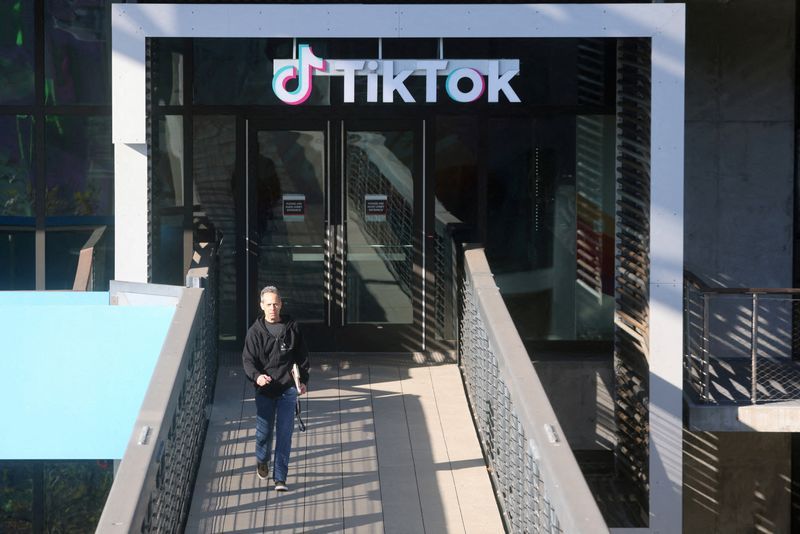
TikTok has agreed in principle to settle a lawsuit brought by a teenager from Florida who alleged that the video-sharing platform's addictive features caused significant damage to his mental wellbeing, according to statements from his legal representatives at Morgan & Morgan this week. The agreement marks another significant moment in an expanding wave of litigation against major social media companies, though neither party has yet released details about the financial terms or conditions of the settlement. TikTok has not publicly commented on the arrangement.
The teenager, identified only by his initials R.K.C., began using social media applications when he was approximately eight years old and subsequently developed what he characterized as an addiction to the platforms. Court documents filed in the case detail his assertions that excessive use led to sleep deprivation, depression, and anxiety disorders that significantly impaired his daily functioning and quality of life. His legal team contended that TikTok deliberately engineered its platform mechanics to maximize user engagement and time spent on the application, exploiting psychological vulnerabilities common among young users.
When R.K.C. originally filed his complaint, he named four major social media companies as defendants: Google's YouTube, Meta's Instagram, Snapchat owned by Snap Inc, and ByteDance's TikTok. YouTube had previously reached a settlement in June, reducing the number of companies facing trial. Meta and Snapchat currently remain scheduled to proceed to trial on July 27, marking what is anticipated to be the second significant state court proceeding addressing claims that social media platforms have been deliberately designed with addictive characteristics that have contributed to a youth mental health crisis.
The California court system has become the epicenter of this litigation landscape, with over 3,300 lawsuits alleging addiction against social media companies currently pending in state court alone. Beyond state-level actions, approximately 2,600 additional cases initiated by individual plaintiffs, school districts, municipal governments, and state authorities are progressing through California's federal court system. This substantial volume of litigation reflects growing public concern about the psychological impact of social media on young people and frustration with what critics view as inadequate industry safeguards.
All of the major social media platforms have consistently denied the allegations against them and maintain that they implement comprehensive protective measures designed to ensure their platforms remain safe for teenage and younger users. These companies have argued that responsibility for monitoring screen time and managing social media usage ultimately rests with parents and guardians rather than the platforms themselves. Despite these assertions, the mounting legal pressure and unfavorable verdicts have prompted several of the companies to settle claims rather than continue fighting them in court.
The trajectory of previous litigation provides important context for understanding the significance of TikTok's settlement. An earlier California trial concluded in March involved a woman who had alleged that social media platforms' attention-capturing design mechanisms led to her addiction during her adolescence. In that case, TikTok and Snap chose to settle before the trial commenced, while Meta and Google proceeded to the full hearing. A jury ultimately determined that both Meta and Google had acted negligently, awarding the plaintiff $4.2 million against Meta and $1.8 million against Google. When the companies subsequently petitioned the judge to invalidate this verdict, the court rejected their request in June, suggesting that similar future juries may reach comparable conclusions.
Another closely watched case involved a Kentucky school district that sued Meta, Snap, TikTok, and YouTube, alleging harm to students' educational outcomes and mental health. Rather than risk a trial outcome similar to what occurred in California, all four companies collectively agreed to settle that dispute by paying the school district a combined $27 million before proceedings could begin. This federal court settlement indicates that companies view monetary settlements as preferable to the unpredictability of jury trials, where sympathetic young plaintiffs can influence jurors' perceptions regarding corporate responsibility for youth wellbeing.
The pattern of settlements and verdicts emerging from California reflects broader regulatory and political pressure mounting against the social media industry. Nearly every state across the United States has independently filed lawsuits against these companies within their respective jurisdictions, with legal arguments centered on allegations that platforms misrepresented their safety features for younger users and deliberately constructed their products to foster dependency among children and adolescents. These multi-jurisdictional actions suggest that litigation against social media companies represents a systemic reckoning rather than isolated disputes.
For Malaysian and Southeast Asian observers, these American legal developments carry significant implications. Many regional users, particularly teenagers and young adults, rely heavily on TikTok, Instagram, and other platforms that are the subject of these lawsuits. The legal precedents and financial consequences being established in California courts may eventually influence how these companies operate globally or prompt regional governments to consider their own regulatory frameworks. Additionally, the mental health concerns being litigated in America—depression, anxiety, and sleep disorders linked to excessive social media use—mirror challenges that mental health professionals throughout Southeast Asia have increasingly documented among young people.
The cumulative effect of these lawsuits suggests that social media companies face a pivotal moment where litigation costs, reputational damage, and product liability concerns are forcing fundamental reconsiderations of their business models. TikTok's decision to settle rather than contest this particular case, combined with previous settlements and court verdicts, indicates that the industry's previous resistance to legal accountability may be giving way to strategic financial accommodation. Whether such settlements will prompt genuine product changes designed to reduce addictive features or simply represent the cost of doing business remains an open question that will likely unfold through continued litigation and regulatory scrutiny.

