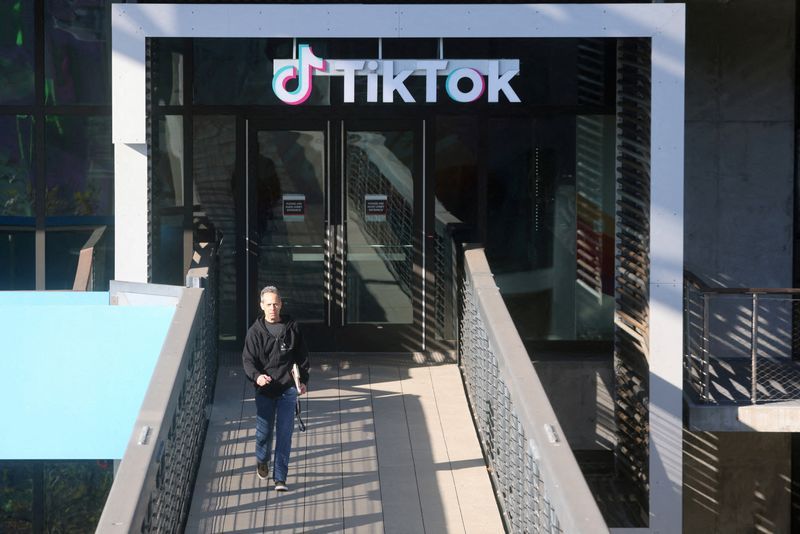
TikTok has agreed in principle to settle a legal claim brought by a minor who alleged the platform's design and features caused significant damage to his mental wellbeing, according to Morgan & Morgan, the law firm representing the plaintiff. While the settlement framework has been established, the specific terms and conditions remain under negotiation and have not yet been finalized, the firm's spokesperson confirmed on Tuesday.
The resolution marks another milestone in an expanding wave of litigation targeting major social media platforms over their alleged contribution to a deteriorating mental health crisis affecting young people across North America. This particular case, filed in California state court, involves a 15-year-old plaintiff identified as R.K.C., who originally named four major platforms as defendants when the lawsuit was initiated. The claim represents growing legal acknowledgment that these platforms may bear responsibility for psychological harm inflicted on their youngest users through algorithmically-driven engagement mechanics.
R.K.C., a resident of Florida, introduced evidence suggesting he began using social media applications at approximately eight years old, an age when child development experts argue young users lack the cognitive maturity to understand the psychological mechanisms embedded within these platforms. According to court filings submitted during the case, his usage patterns escalated into what could reasonably be characterized as addiction, substantially disrupting his sleep patterns and contributing to the development of clinical depression and anxiety disorders. The teenager's experience reflects a pattern documented across hundreds of similar cases where young users report becoming trapped in endless scrolling cycles and comparison-driven content feeds.
The settlement with TikTok comes strategically positioned ahead of what is anticipated to become the second major trial examining social media's culpability in youth mental health deterioration within California courts. Google's YouTube subsidiary already reached a settlement in June, effectively removing itself from the immediate litigation pressure. However, the cases against Meta's Instagram and Snap Inc's Snapchat remain scheduled for trial proceedings beginning in July, keeping substantial legal and public attention focused on these platforms' practices and their impact on adolescent development.
This sequence of settlements and upcoming trials reflects a crucial inflection point in how the technology industry faces accountability for its products' effects on vulnerable populations. Unlike regulatory approaches in Europe, where the Digital Services Act imposes strict requirements on platform operators, the American legal system relies heavily on civil litigation to establish precedent and force behavioral change. Each settlement strengthens the evidentiary foundation for subsequent claims and increases pressure on remaining defendants to negotiate rather than proceed to costly and unpredictable jury trials.
For Southeast Asian readers, these American legal developments carry significant implications given that platforms like TikTok, Instagram, and Snapchat have achieved extraordinarily high penetration rates among young people across the region. Malaysia, Indonesia, Thailand, and the Philippines have reported alarming increases in youth depression and anxiety diagnoses coinciding with explosive growth in social media usage among children and teenagers. However, regional jurisdictions lack comparable litigation frameworks or regulatory mechanisms to hold platforms accountable in similar ways, leaving millions of young Southeast Asian users potentially exposed to the same psychological harms documented in American courts.
The TikTok settlement also occurs amid intensifying scrutiny of ByteDance's practices globally, with various governments questioning whether the platform's algorithm prioritizes engagement metrics at the expense of user wellbeing, particularly for minors. Questions persist about whether platforms implement genuinely protective measures or merely performative safeguards designed to deflect regulatory criticism. The resolution of this case provides an opportunity to examine what commitments TikTok may have agreed to undertake, though settlement confidentiality clauses frequently prevent public disclosure of specific remedial measures.
The remaining Instagram and Snapchat trials scheduled for July will provide critical opportunities for expert testimony regarding how these platforms' design features specifically target adolescent vulnerability to persuasive technology. Researchers and child psychologists have documented how infinite scroll functionality, algorithmic content curation, and social comparison mechanisms exploit neurobiological susceptibilities that are particularly pronounced during adolescence. These trials may establish legal precedent recognizing platform designers' knowledge of these psychological vulnerabilities and their choices to monetize them anyway.
For Malaysian policymakers and regulators monitoring these developments, the litigation outcomes underscore the necessity of developing proactive legislative frameworks rather than waiting for court-driven accountability. Several Southeast Asian jurisdictions have begun considering social media reform legislation, but progress remains inconsistent. The American litigation trajectory suggests that comprehensive regulatory approaches—mandating age verification, restricting algorithmic personalization for minors, requiring algorithmic transparency, and establishing data protection standards—offer more effective protections than reactive lawsuit settlements after harm has already occurred.
The TikTok settlement represents another incremental step toward establishing that social media platforms bear responsibility for foreseeable harms to child users, but the truly transformative change will require coordinated legislative and regulatory action rather than individual settlements. As Instagram and Snapchat face trial next month, the legal system's willingness to hold these corporations accountable will shape not only American policy but also influence how policymakers across Asia approach digital governance and child protection in an increasingly connected world.

