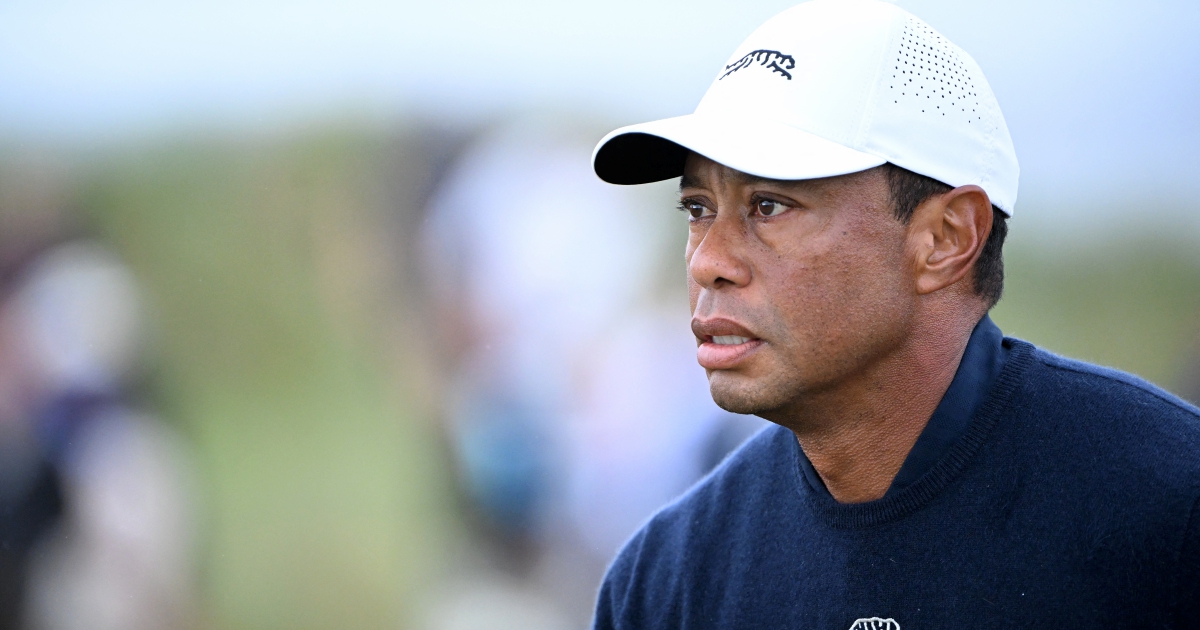
Tiger Woods is preparing for a pivotal moment in his legal battle as he heads to court in Florida to face a judge in person regarding charges connected to his March 27 car accident. The appearance marks the first time the 15-time major champion will physically present himself before the judiciary since the incident, following a series of court delays that have stretched the proceedings over several months.
The golf icon's road to this hearing has been marked by multiple postponements, which have kept the case in legal limbo and maintained intense media scrutiny around both his personal circumstances and his future in professional sport. Each delay has raised questions about the complexity of the case and whether additional investigations or evidence gathering was required before the proceedings could advance. The postponements also reflect the meticulous legal procedures that must be followed, even for high-profile defendants, to ensure proper justice administration.
The March 27 collision that triggered this legal action remains a watershed moment in Woods' life and career. The accident occurred in Los Angeles County and raised immediate concerns about the circumstances surrounding the crash. Investigators subsequently determined that impaired driving may have been a contributing factor, leading to the DUI charge that now brings Woods before the court system he has thus far addressed through legal representatives.
Woods' absence from in-person proceedings until now reflects common legal strategy in high-profile cases, where representation through counsel substitutes for personal appearance during preliminary hearings and procedural matters. This approach allows defendants to maintain privacy while the machinery of justice processes administrative and technical aspects of cases. However, in-person appearances carry greater weight and demonstrate a defendant's direct engagement with the judicial process, often signalling serious intent regarding case resolution.
The timing of this hearing carries significance beyond the immediate legal context. Woods has been gradually attempting to rebuild his professional reputation following the accident, with recent tournament appearances signalling his determination to continue competing at golf's highest levels despite the cloud of legal proceedings. The contrast between his performance ambitions and his legal obligations underscores the competing pressures he faces as both a professional athlete and a defendant navigating the court system.
For Malaysian and Southeast Asian sports followers, the Woods case presents a cautionary narrative about the universal reach of traffic and driving laws. Regardless of celebrity status or sporting achievements, no individual stands above jurisdictions or legal accountability. The case reinforces fundamental principles that societies across the region consistently emphasise: that consequences follow violations, and that judicial processes apply equally in theory to all persons appearing before them.
The broader implications of this hearing extend to discussions about athlete accountability and personal conduct. In an era when professional sportspeople are increasingly scrutinised for off-field behaviour, the Woods case demonstrates how legal systems can intersect with sporting careers in ways that demand public attention and institutional response. Golf's governing bodies and sponsors face their own pressure to respond appropriately to legal developments affecting prominent players.
The accumulation of postponements preceding this hearing may also reflect the challenges facing judicial systems when managing cases involving internationally recognisable figures. Court calendars, witness availability, and the complexity of evidence presentation all factor into scheduling decisions. Additionally, the involvement of potential technical evidence from the vehicle itself, traffic analysis, and expert testimony can extend the procedural timeline significantly.
Observers of this case from Malaysia and the region will recognise familiar patterns from local legal proceedings involving prominent figures. Public figures often face heightened scrutiny during criminal or civil matters, media coverage intensifies scrutiny of judicial processes, and the extended timeline allows sustained commentary about fairness and procedural integrity. These universal aspects of high-profile litigation transcend geographical and cultural boundaries.
The question of how Woods will present himself in court carries symbolic weight. Whether he demonstrates contrition, accepts responsibility, or contests aspects of the charges will influence both legal proceedings and public perception. His demeanour during this first in-person appearance may set the tone for subsequent hearings and potentially influence how stakeholders—including sponsors, fellow competitors, and golfing organisations—ultimately respond to the unfolding legal situation.
As the hearing approaches, attention focuses on whether this marks a turning point toward resolution or the beginning of extended litigation. The months of postponement have created anticipation around substantive legal arguments and potential case outcomes. For Woods, stepping into the courtroom personally represents a transition from distant legal maneuvering to direct confrontation with the judicial process and its potential consequences.

