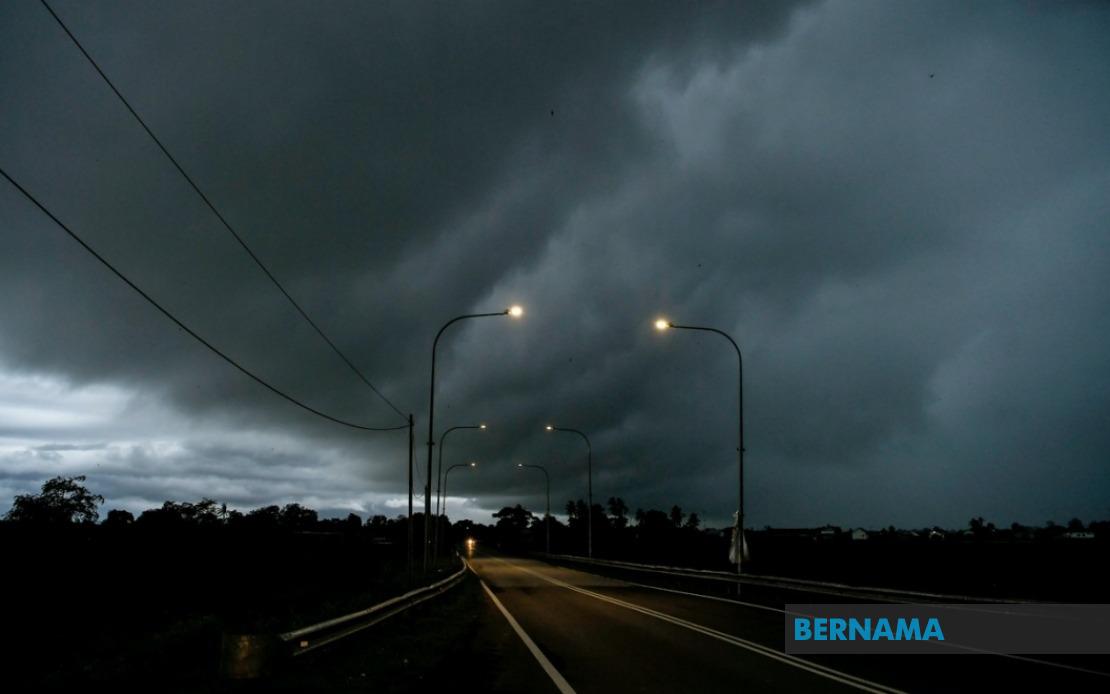
Authorities across Malaysia have issued a severe weather alert as the Malaysian Meteorological Department (MetMalaysia) warned of potentially dangerous conditions developing across several states. The alert, issued on July 11, encompasses thunderstorms, torrential rainfall and gusty winds expected to persist until noon, affecting communities across a wide geographic swathe of the peninsula.
The northern state of Kedah faces particular vulnerability, with four districts bracing for the worst of the conditions. Kota Setar, the state capital and commercial hub, stands among the affected areas, along with the smaller towns of Pokok Sena, Yan and Pendang. These communities, which rely heavily on agriculture and small-scale commerce, typically experience significant disruption when severe weather strikes, as flooding in rural areas can isolate settlements and damage crops.
Moving south along the Perak coastline, the alert extends to three districts along the state's western seaboard. Manjung, an industrial zone centred around the port facilities at Port Klang's northern counterpart, faces disruption that could affect commercial and fishing activities. Bagan Datuk and Hilir Perak, both agricultural heartlands, also fall within the warning zone, suggesting that farming operations and rural transportation networks may experience delays.
In the central region, Negeri Sembilan's districts of Rembau and Tampin have been flagged for severe weather impacts. These areas, situated in the state's inland regions, are prone to flash flooding given the topography and drainage patterns typical of the region. The warning comes at a time when agricultural communities are often engaged in seasonal activities vulnerable to weather disruption.
The southern peninsula experiences the broadest coverage under the alert. The entire state of Melaka, already known for its susceptibility to flash flooding due to its low-lying terrain and monsoon patterns, has been placed under warning. Additionally, six districts across Johor have been identified as particularly vulnerable. Tangkak, Muar, Batu Pahat and Pontian along the western coast, combined with Kulai and Johor Bahru in the south, represent a substantial population cluster that could face significant temporary disruption.
The timing of this warning is significant for public planning. With the adverse weather conditions expected to clear by midday, authorities anticipate that most disruptions will be confined to the morning hours. However, even brief periods of intense rainfall in these regions can trigger localized flooding, particularly in low-lying areas and near drainage-prone zones. Residents commuting during peak hours may encounter traffic congestion caused by water accumulation on roads, whilst schools and businesses in affected zones could face operational challenges.
MetMalaysia's advisory emphasizes the importance of real-time information during such events. The department has urged the public to remain alert and actively monitor official weather bulletins through its dedicated channels rather than relying on informal sources or social media reports, which can sometimes spread inaccurate information during weather emergencies. This guidance reflects growing recognition that accurate, timely meteorological data is critical for personal safety and business continuity decisions.
For Malaysia's economy, weather warnings of this nature carry downstream implications. The affected states encompass significant portions of the nation's industrial, agricultural and commercial infrastructure. Disruptions to transportation networks, even temporary ones, can ripple through supply chains. Manufacturing facilities, particularly those engaged in export-oriented production, may experience scheduling challenges if workers face commuting difficulties or if input deliveries are delayed.
The geographic diversity of the affected regions underscores a broader pattern of seasonal weather variability across peninsular Malaysia. Unlike the more predictable monsoon seasons, isolated thunderstorm systems can develop rapidly and affect multiple states simultaneously, as appears to be the case here. Such warnings have become increasingly frequent as climate patterns continue to evolve, with meteorological agencies finding it necessary to issue more granular, district-level alerts to better serve the public.
Emergency management agencies across the five states are likely coordinating response preparations based on this alert. Standby crews, rescue equipment and communication systems are typically positioned in anticipation of weather-related incidents such as flooding or landslides. The relatively short duration of the warning—lasting only until midday—suggests that response strategies will focus on rapid reaction rather than extended operations.
For residents in the flagged districts, practical precautions remain advisable despite the limited timeframe. Securing loose outdoor items, avoiding unnecessary travel in flood-prone areas and ensuring that drainage systems around homes are functioning properly can mitigate personal risk. Commuters should allow additional travel time and avoid driving through areas where water has accumulated across roads, a common cause of accidents during heavy rainfall.
MetMalaysia's role in disseminating such warnings has become increasingly central to Malaysia's disaster management framework. The department's technical capacity to track developing weather systems and issue timely alerts has improved substantially over recent years, enhancing the nation's resilience against meteorological hazards. This particular warning represents the ongoing application of that capability to protect communities across diverse regions.

