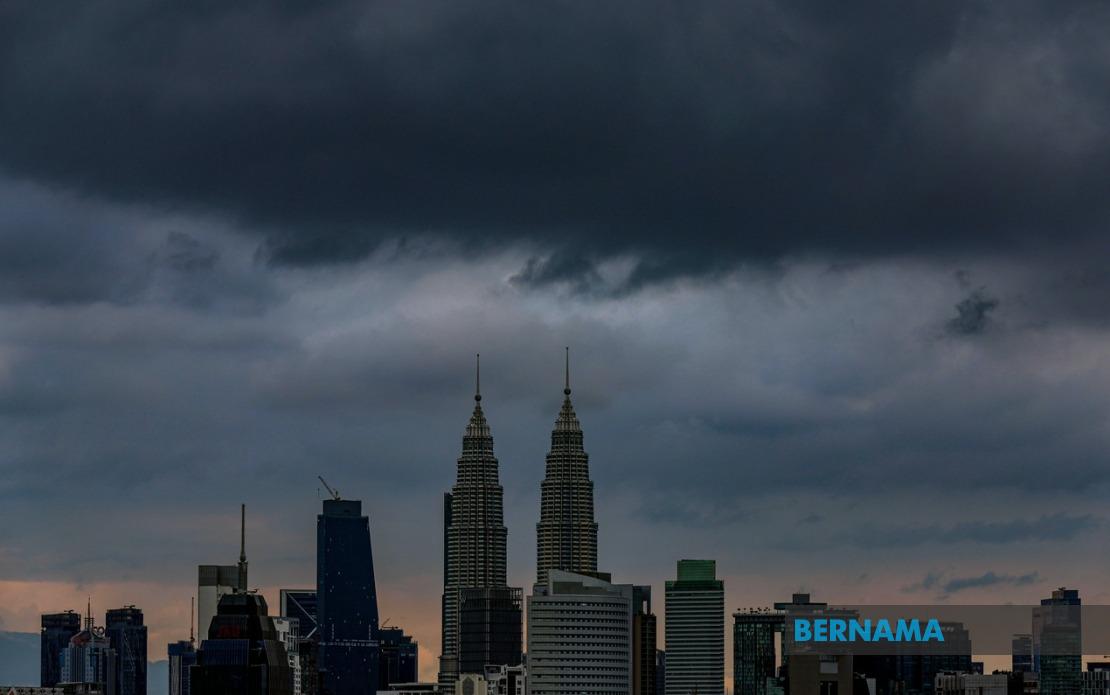
The Malaysian Meteorological Department has issued a significant weather alert cautioning residents and commuters across a large swath of the country to prepare for dangerous atmospheric conditions. The alert, which covers the period until 4 pm on July 5, encompasses Kuala Lumpur, Putrajaya and eight other states spanning Peninsular Malaysia, Sabah and Sarawak, indicating a nationwide system of unstable weather affecting diverse geographic regions simultaneously.
In the east coast regions, the warning applies to three states that frequently experience heavy monsoonal influences. Kelantan residents in Jeli, Kuala Krai and Gua Musang should expect severe conditions, as should communities across Terengganu's Besut, Hulu Terengganu, Dungun and Kemaman districts. Pahang is similarly affected, with alerts issued for the highlands of Cameron Highlands alongside lower-lying areas such as Raub, Bentong, Pekan and Rompin, suggesting the system poses threats across varying elevations and terrain types.
The central region faces comparable impacts, with Selangor experiencing the broadest coverage. Affected districts include both the densely populated areas around Kuala Lumpur's periphery such as Gombak, Petaling and Sepang, alongside more rural highland zones like Hulu Selangor and water-adjacent Kuala Langat. This distribution across Selangor indicates the warning encompasses both congested urban corridors where weather disruptions can snarl traffic and affect millions of commuters, as well as more sparsely populated territories where flooding and landslides pose different hazards.
Negeri Sembilan's inclusion in the alert adds the state's interior and coastal communities to the danger zone. The warning affects Jelebu district along with the state capital region of Seremban and the coastal municipality of Port Dickson, each presenting distinct vulnerability profiles. Johor faces particularly extensive coverage, with alerts spanning seven separate districts from the northern interior regions of Batu Pahat and Kluang through to major urban centers and southern coastal areas including Johor Bahru, Mersing and Pontian. This geographic spread suggests a substantial weather system capable of delivering hazardous conditions across the entire southern peninsula.
In Malaysian Borneo, Sabah's alert zones paint a picture of widespread exposure across the state's interior and western regions. Sipitang, Kuala Penyu, Beaufort and Tambunan represent the interior plateau and foothill zones, whilst Papar, Penampang and Ranau cover the productive west coast agricultural areas. The inclusion of Kota Marudu region, specifically Kudat, extends the warning to the northeastern corner of the state. These zones collectively represent Sabah's most economically active and densely populated regions, suggesting potential disruption to commerce, transportation and daily activities across the state.
Sarawak's affected areas similarly span the state's most developed zones. Kuching, the state capital and largest city, sits alongside Serian and Samarahan in the southwest, whilst the alert extends inland to Sri Aman, Betong and Kapit districts. The inclusion of Limbang in the far north, combined with coverage of rural Song and highland Bukit Mabong areas, demonstrates that the severe weather system encompasses Sarawak's entire inhabited corridor from coast to interior.
Thunderstorms accompanied by heavy rain and strong winds pose multiple hazards across Malaysia's diverse landscape. In urban areas like central Kuala Lumpur and Johor Bahru, flash flooding in low-lying neighborhoods and traffic disruptions represent immediate concerns for millions of residents and workers. Highland regions such as Cameron Highlands and interior Sabah face elevated risks of landslides and debris flows that can isolate communities and damage infrastructure. Coastal and riverine areas face potential flooding from rapid water level rises, whilst maritime activities and beach access become inherently dangerous.
The temporal specificity of the alert—lasting until 4 pm—suggests meteorologists expect the system to move through or weaken during afternoon hours, though residents should remain vigilant as weather patterns sometimes persist longer than initially forecast. The breadth of the warning across Peninsular Malaysia, Sabah and Sarawak indicates this is not a localized thunderstorm cluster but rather a substantial weather event affecting the nation's three primary geographic zones, each with distinct climatic characteristics and vulnerabilities.
For Malaysian commuters and residents, the alert serves as a reminder to exercise caution during travel, avoid flood-prone areas, secure loose outdoor items, and monitor official weather updates throughout the afternoon. Authorities in affected districts typically activate contingency plans during such alerts, positioning rescue personnel and preparing drainage systems. The simultaneous nature of the warning across such geographically dispersed regions underscores the scale of the atmospheric disturbance and the importance of heeding official meteorological guidance during the alert period.

