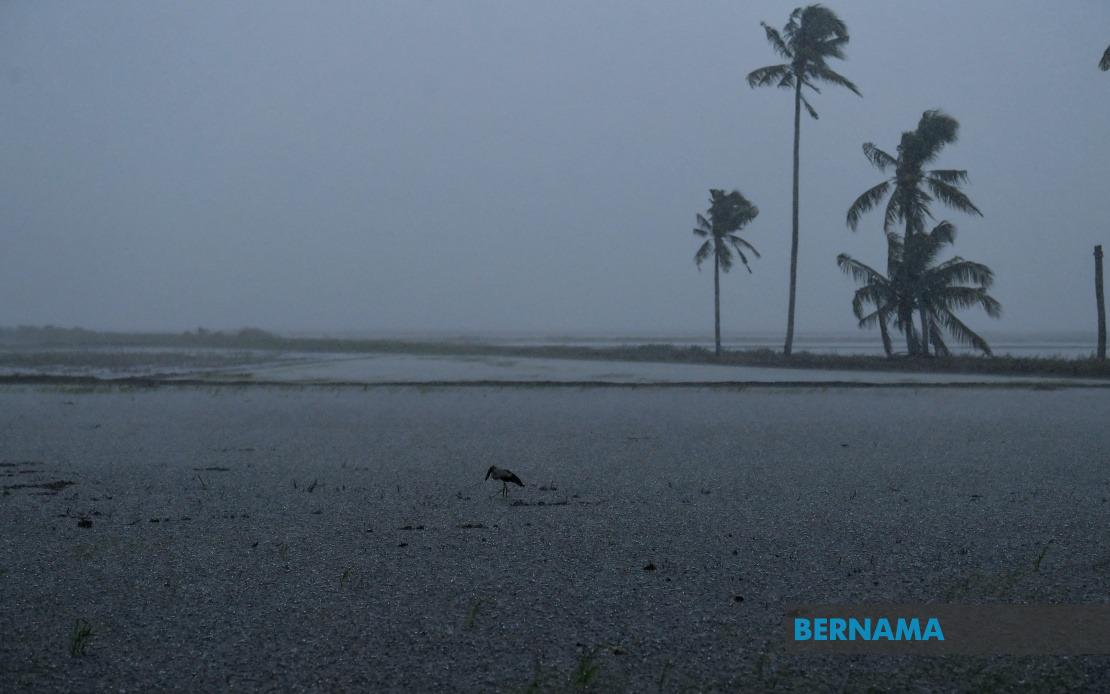
The Malaysian Meteorological Department issued a severe weather alert on July 10 for multiple regions across the nation, cautioning residents to prepare for thunderstorms, torrential rainfall, and hazardous wind conditions lasting through the early afternoon hours. The warning encompasses six states and the Federal Territory of Labuan, signalling a broad weather system affecting a significant portion of the country's population centres and transportation corridors.
In Perak, the department identified three districts as particularly vulnerable to the adverse conditions. Kerian, Bagan Datuk, and Hilir Perak are anticipated to experience the brunt of the storm system, potentially disrupting economic activities in these predominantly agricultural and commercial zones. These areas, situated along the western seaboard, are historically prone to moisture-laden weather patterns that develop over the Strait of Malacca during certain seasonal periods.
Selangor's exposure to the incoming weather system encompasses two major districts with substantial urban and suburban populations. Sabak Bernam and Kuala Selangor represent critical areas for the densely populated western corridor, where heavy precipitation could complicate daily commuting patterns and affect economic output across manufacturing and service sectors concentrated in the Klang Valley region. The warning carries particular significance given the area's role as a major commercial and industrial hub.
Negeri Sembilan residents in Jempol and Tampin districts have been placed on alert, with both zones susceptible to flash flooding and water-related hazards typical of tropical thunderstorm systems. These central-region communities depend significantly on transportation networks that may be compromised by severe weather conditions, potentially isolating smaller towns and rural settlements if drainage systems become overwhelmed.
Melaka's southern districts of Alor Gajah and Jasin face similar meteorological threats, with the state's relatively low elevation and proximity to coastal influences creating conditions favourable for intense rainfall accumulation. The regional economy, which relies substantially on tourism and trade activities, could experience temporary disruptions if weather conditions prevent normal business operations and travel.
Johor's Kota Tinggi district, situated in the eastern portion of Malaysia's southernmost state, represents another zone of concern for the meteorological authority. This region's geographic position and topography make it susceptible to moisture transport from maritime sources, potentially amplifying rainfall intensity.
Sabah's alert encompasses multiple geographic zones reflecting the complexity of weather patterns across Malaysian Borneo. The interior areas including Kuala Penyu and Beaufort require preparedness for storm conditions, while the densely populated West Coast division—comprising Papar, Putatan, Penampang, Kota Kinabalu, Tuaran, and Kota Belud—faces significant risk given their concentration of population, economic infrastructure, and maritime activities. Kota Kinabalu, as Sabah's primary urban centre, houses critical government, commercial, and port facilities that could face operational challenges during severe weather. The northern Kudat district completes Sabah's exposure to the system, extending the alert across much of the state's inhabited regions.
Federal Territory of Labuan, positioned strategically as an international offshore financial centre in the South China Sea, also falls within the warning zone, potentially affecting financial operations and maritime activities in this important economic enclave. The territory's island geography and reliance on maritime connectivity make weather-related disruptions particularly consequential.
The timing of the alert—valid until 2 pm—suggests meteorologists expect the system to weaken or transition during the afternoon hours, though residents should remain vigilant for localized flooding or wind damage even as conditions improve. The combination of thunderstorm activity, heavy precipitation, and strong winds creates compound hazards, with wind-driven rain penetrating structures and potentially causing minor damage to vegetation and temporary structures. Strong winds also pose risks to maritime traffic, scaffolding, and outdoor installations.
For Malaysian readers and businesses operating across these regions, the alert underscores the importance of monitoring real-time weather updates from MetMalaysia and local authorities. Residents should secure loose outdoor items, avoid unnecessary travel during peak storm activity, and remain alert for flash flooding in low-lying areas. Businesses in affected zones may wish to adjust operational schedules or implement contingency protocols to protect assets and ensure worker safety. The alert demonstrates the ongoing challenge of tropical weather management across Malaysia's diverse geography, requiring continuous meteorological vigilance and public preparedness.

