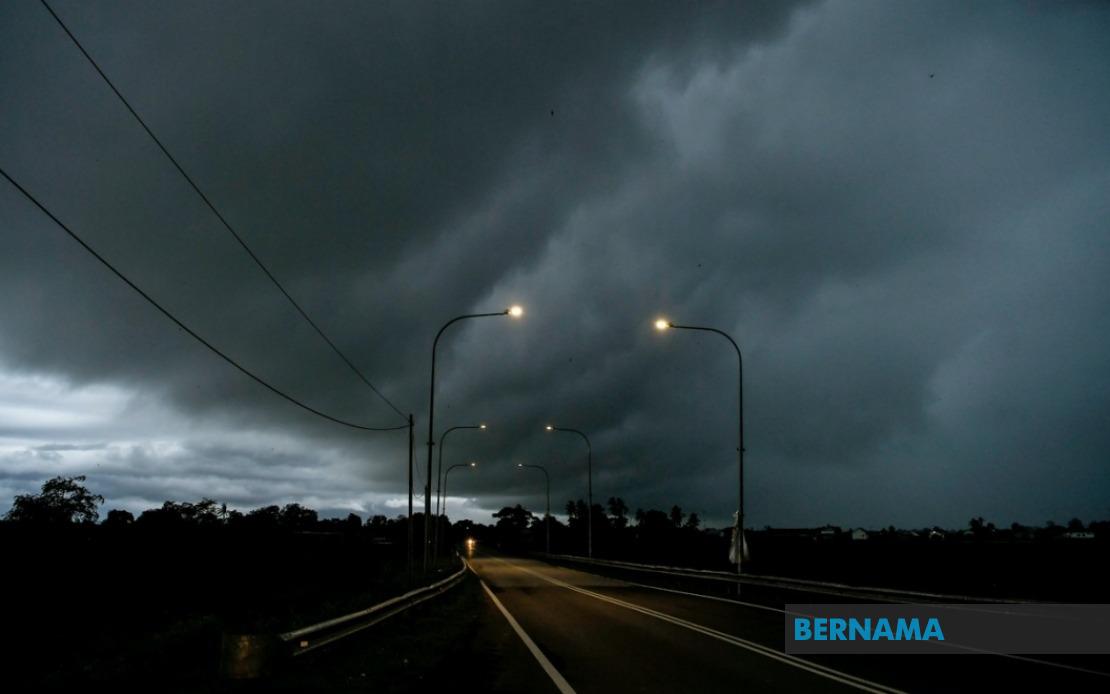
The Malaysian Meteorological Department has activated weather alerts across a significant swathe of Peninsular Malaysia, cautioning residents and commuters about the potential dangers posed by an incoming system bringing thunderstorms, torrential rain, and elevated wind speeds. The advisory, issued on August 18, spans multiple states and urban centres, with different alert periods depending on geographic location, prompting authorities to urge heightened vigilance among the public.
Residents in Kedah face the threat across two districts, namely Kuala Muda and Yan, where conditions are expected to deteriorate through midday. The island state of Penang has also been placed under alert as the system moves across the northern corridor. In Perak, authorities have flagged Bagan Datuk as an area of concern during the morning hours, whilst several other districts in the state—including Kerian, Larut, Matang and Selama, Manjung, Perak Tengah, and Hilir Perak—have been included under an extended warning lasting until 1 pm, reflecting the system's progression across the state.
The economic and administrative hub of Selangor faces disruptions across multiple municipalities. Metropolitan areas including Klang, Kuala Langat, Sepang, Kuala Selangor, Petaling, Sabak Bernam, and Gombak have all been flagged as vulnerable zones. This geographical spread suggests the weather system could significantly impact commuter traffic, business operations, and daily activities in one of Malaysia's most densely populated regions. The federal territories of Kuala Lumpur and Putrajaya, centres of government and commerce, are similarly affected, raising concerns about potential disruptions to administrative functions and urban mobility.
Thunderstorm warnings of this nature carry particular significance for Malaysia's equatorial and tropical climate context. The combination of electrical activity, heavy precipitation, and strong gusty winds poses multifaceted risks—from lightning strikes that threaten lives and infrastructure to flash flooding in low-lying areas and wind damage to structures. During such periods, outdoor activities and construction work typically face suspension, schools may implement precautionary measures, and transportation authorities heighten safety protocols.
The MetMalaysia advisory system operates as a crucial public safety mechanism in Malaysia's weather management framework. By issuing geographically specific alerts with defined time windows, the department enables targeted preparedness rather than blanket warnings that may reduce public responsiveness. This granular approach reflects meteorological advances in predictive modelling and nowcasting capabilities, allowing authorities to provide citizens with actionable intelligence for decision-making.
For residents and businesses across the affected zones, such warnings typically trigger standard precautions: securing outdoor items vulnerable to wind damage, avoiding unnecessary travel during peak intensity periods, staying indoors where possible, and monitoring official channels for updates. In commercial and industrial sectors, operations often adjust schedules to minimise exposure, whilst schools and government offices may implement contingency protocols depending on alert severity.
The northern and central regions of Peninsular Malaysia have historically experienced variable monsoon patterns that can produce such sudden and intense weather systems, particularly during transitional seasons. The concentration of alerts across Perak, Selangor, Kedah, and Penang suggests a coherent weather system moving through the peninsula, rather than scattered isolated thunderstorm activity. Understanding these patterns is essential for urban planners, infrastructure managers, and emergency services coordinating response capabilities.
Malaysian commuters, particularly those relying on road transport through affected corridors, should anticipate potential congestion as drivers exercise caution in reduced visibility and slippery conditions. Public transportation operators typically increase monitoring during such periods, and emergency services position resources strategically in anticipation of incident calls related to weather-induced accidents or damage.
For agricultural communities and plantation operators in the affected districts, sudden severe weather poses both opportunities and risks—whilst rainfall benefits crop development, excessive downpours can damage crops, trigger soil erosion, and complicate harvesting operations. The timing of this alert through midday suggests the system may clear by afternoon, potentially allowing resumption of outdoor activities and operations in the evening hours.
The Malaysian Meteorological Department continues to monitor the developing situation closely, with public advisories updated as conditions evolve. Residents are encouraged to remain alert to official communications from MetMalaysia, particularly those residing in flood-prone areas or working in sectors dependent on weather stability, ensuring they can respond swiftly to any escalation in severity or geographic expansion of the alert zones.

