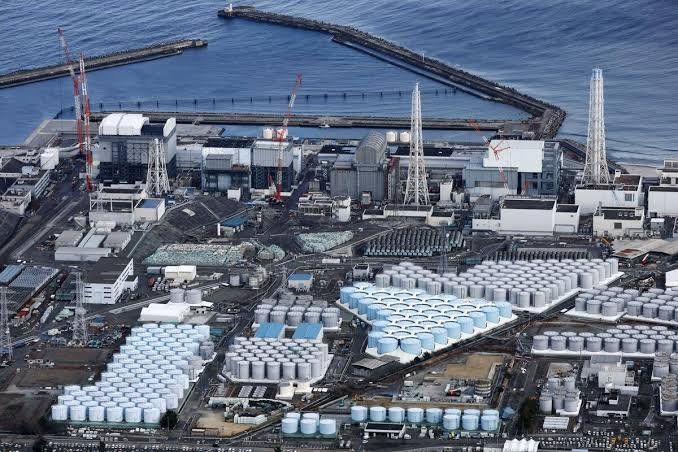
Three years into what will become a decades-long undertaking, Tokyo Electric Power Company Holdings Inc. has now discharged approximately 172,700 tonnes of treated radioactive water from the damaged Fukushima Daiichi nuclear plant into the Pacific Ocean across 22 separate operations. The milestone, reached on August 24 this year, represents a significant stage in the utility's effort to manage one of the most intractable legacies of the 2011 earthquake and tsunami disaster, which claimed nearly 20,000 lives and triggered a catastrophic meltdown at the coastal facility.
The decision to begin this controlled release process, formally adopted by Japan in April 2021, emerged from a genuine operational necessity that underscores the scale of the ongoing crisis. Since the March 2011 disaster, the Fukushima plant has produced approximately 60 tonnes of contaminated wastewater each day as engineers continuously flood the melted reactor cores to prevent further thermal damage. Rather than allowing these tanks to proliferate indefinitely across the site, Japan's government and TEPCO determined that processing and controlled discharge represented the most pragmatic pathway forward, particularly given the need to make physical space for equipment designed to extract molten fuel debris from the reactor vessels—a critical step in any eventual decommissioning.
The stored water volume has decreased marginally by 7.6 per cent to roughly 1.24 million tonnes, with TEPCO having already dismantled 17 of the approximately 1,000 storage tanks that once dominated the Fukushima site. These industrial-scale cylindrical structures became symbols of Japan's nuclear conundrum to observers worldwide, and their gradual removal reflects progress toward a long-term goal: the complete decommissioning of the plant by 2051. This 27-year timeline reflects the unprecedented complexity of dealing with a civilian nuclear accident of this magnitude, requiring not only radioactive water management but also the eventual removal of molten core material and the comprehensive remediation of surrounding groundwater and soil.
The treatment process itself employs an advanced multi-stage purification system that renders the water safe by international standards. TEPCO transfers water through the Advanced Liquid Processing System, which removes virtually all radioactive isotopes except tritium, a radioactive form of hydrogen that cannot be separated using current industrial technology. Following purification, the water is then diluted with seawater to concentrations below one-40th of the limits prescribed under Japanese safety standards before final discharge occurs approximately one kilometre offshore. The International Atomic Energy Agency, working alongside Japan's regulatory authorities and TEPCO itself, has consistently verified that these processes function as intended, with monitoring of nearby waters and seafood catching revealing no abnormal tritium accumulation.
Yet the technical success of the discharge programme stands in stark contrast to its profound diplomatic and commercial consequences, particularly for Japan's fishing and seafood export sectors. China, which until recently absorbed roughly 60 per cent of Japan's seafood exports, implemented a comprehensive ban on all Japanese seafood products on the precise day the releases commenced in August 2023. Although Chinese officials indicated in June 2024 that they would partially lift restrictions on all prefectures except ten, including Fukushima itself, the practical reality remains that imports have been substantially curtailed. Observers attribute this continuing informal embargo partly to ongoing geopolitical tensions, including friction surrounding Prime Minister Sanae Takaichi's November 2023 remarks suggesting Japan might become militarily involved in a potential Taiwan crisis—statements that generated considerable displeasure in Beijing and appeared to harden China's stance on the seafood question.
The economic toll on Japanese exporters has proven substantial and continues to accumulate. TEPCO has acknowledged responsibility for compensating affected businesses, with approximately 1,100 claims now totalling around 92.8 billion yen, equivalent to roughly 585 million US dollars as of early August. These claims predominantly reflect losses sustained by producers of high-value seafood commodities—particularly scallops and sea cucumbers destined for Chinese and Hong Kong markets—that have suddenly lost access to their primary buyers. For small fishing communities and seafood processors, particularly those in Fukushima Prefecture itself, these trade barriers represent an existential threat, even though their products meet all international safety standards and the government has certified their safety for consumption.
The release schedule has evolved progressively as TEPCO refined its operational procedures. In fiscal 2023, the company conducted four separate discharge operations. This escalated to seven operations each in fiscal 2024 and fiscal 2025, demonstrating TEPCO's growing confidence in its systems and procedures. Starting in fiscal 2026, the utility has further optimised its approach by implementing continuous transfer capabilities between measurement and release tanks, allowing for eight planned discharges during that fiscal year. Four of these operations have already been completed, indicating that TEPCO maintains discipline in adhering to its publicised schedule and international commitments regarding transparency and monitoring.
The restriction on Japanese seafood remains in force across multiple countries beyond China, with Russia and several other nations maintaining import bans or severe limitations. These trade barriers, while economically painful for Japan, reflect genuine public anxiety in seafood-dependent nations regarding long-term radiological risks, even where scientific evidence provides reassurance. The psychological dimension of nuclear accidents proves as consequential as any technical reality—decades after Chernobyl, beef from certain regions of Ukraine still faces restrictions, and similar legacies will likely persist around Fukushima regardless of the scientific merits of the treated water.
The broader regional implications merit consideration for Southeast Asian policymakers watching Japan's handling of this crisis. The Fukushima experience demonstrates that civilian nuclear facilities, regardless of design or safety protocols, carry dormant risks that can suddenly materialise at catastrophic scale. For nations considering nuclear power expansion—a common policy across the ASEAN region as energy demands grow and carbon reduction pressures intensify—the Japanese experience offers cautionary perspective. The costs of managing a nuclear accident extend far beyond immediate environmental remediation or human casualties; they encompass decades of trade disruption, diplomatic friction, and ongoing economic burden on affected communities.
TEPCO's chief decommissioning officer, Akira Ono, reiterated in July the company's commitment to conducting releases safely while emphasising the importance of transparent communication and fair compensation for affected parties. This balancing act—between operational necessity, scientific responsibility, community welfare, and international relations—will persist for the next quarter-century as Japan works toward the 2051 decommissioning target. For regional observers, the Fukushima case study illustrates how a single industrial catastrophe, even when technically well-managed and internationally monitored, generates consequences that ripple across geopolitical relationships, economic supply chains, and public confidence in state institutions for decades after the initial disaster.

