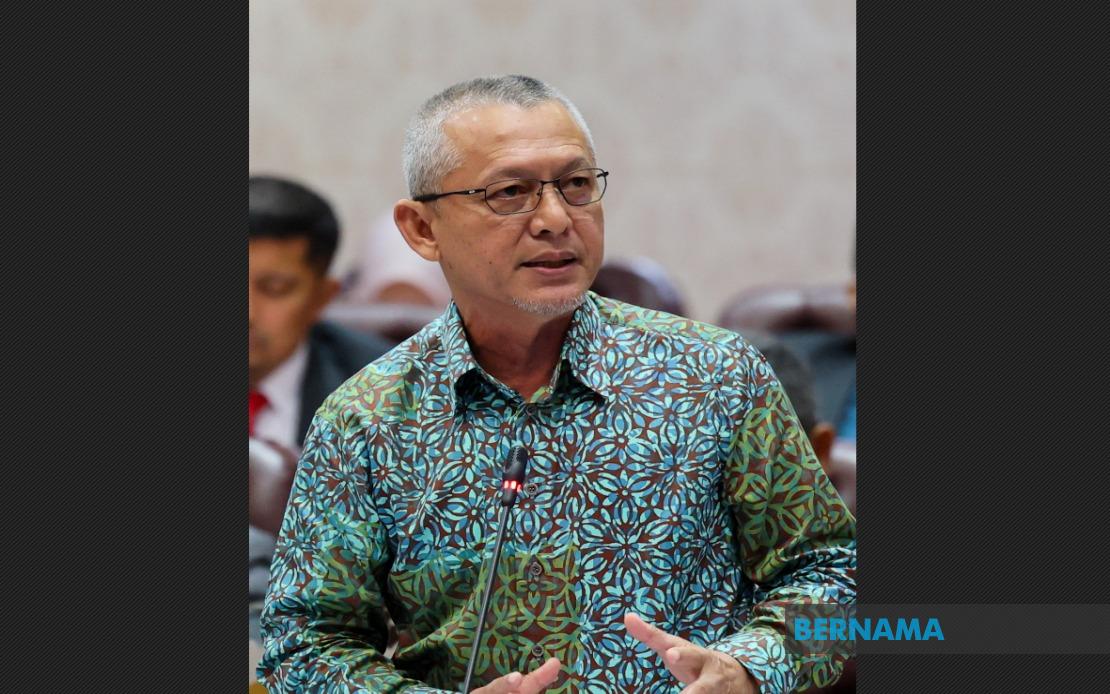
A significant shake-up in Terengganu's Parti Pribumi Bersatu Malaysia structure unfolded on August 7 when three senior figures simultaneously announced their departures from party leadership roles. The move centres on Datuk Razali Idris, who holds the position of state party chief alongside his responsibilities as a Terengganu State Executive Council member, alongside two other elected representatives who have stepped down from their respective posts.
Razali submitted his resignation from his position as Terengganu Bersatu state chief to party president Tan Sri Muhyiddin Yassin on July 16, marking the formal initiation of what appears to be a coordinated transition within the state branch. Despite the passage of several weeks, Razali indicated that no confirmation or decision regarding his resignation has been communicated from the party's central headquarters, leaving the status of his departure in administrative limbo. This absence of response from senior leadership raises questions about the party's handling of personnel matters and the clarity of its internal governance structures.
Beyond his state chief role, Razali disclosed plans to relinquish his position as Marang Bersatu division chief before mid-August, though he has temporarily deferred this second resignation to complete certain administrative obligations. The phased approach to stepping down suggests an effort to ensure continuity in handling pending matters, though the delays also highlight potential coordination challenges within the party's organizational framework. Such staggered resignations are not uncommon in Malaysian politics when individuals seek to maintain professional standards during transitional periods.
Two other prominent figures in the Terengganu state assembly have also signalled their departures from party positions. Telemong assemblyman Mohd Zawawi Ismail announced his resignation as the Terengganu State Bersatu information chief, while Hulu Besut assemblyman Mohd Husaimi Hussin stepped down from his role as State Bersatu treasurer. Both individuals confirmed their intentions to submit formal resignation letters to Bersatu's central leadership, indicating that the party should expect official documentation of these personnel changes in due course.
A crucial distinction maintained by all three departing leaders is their intention to remain members of Bersatu itself. The resignations target exclusively the state-level leadership positions within the party structure rather than representing complete withdrawals of membership or affiliation with the broader party organization. This nuance is significant as it allows these individuals to retain their party credentials while stepping away from the administrative and representational duties associated with their former roles, preserving pathways for potential future involvement should circumstances change.
The timing and coordination of these three resignations warrant analytical attention within the Malaysian political landscape. Occurring during a period when Bersatu has faced various internal pressures and questions about its organizational direction, the simultaneous departures from Terengganu suggest either localized discontent with current state management or broader dissatisfaction with the party's trajectory at the federal level. The lack of public explanation from the resigning leaders adds to speculation about the underlying motivations driving this exodus of experience from the state branch.
For Tan Sri Muhyiddin's national leadership, the Terengganu developments represent a modest but notable challenge to party cohesion. As a component of the ruling Perikatan Nasional coalition, Bersatu's organizational stability matters significantly to the broader government's functioning. Losing three experienced state-level leaders, including the state party chief, could impact Bersatu's grassroots organizational capacity in Terengganu and potentially affect political coordination in a state where the party holds representation in the state assembly.
The East Coast state of Terengganu has historically been a complex political arena in Malaysian politics, with numerous parties competing for influence and voters switching allegiances across election cycles. Bersatu's position in this competitive environment requires strong and motivated state leadership to maintain party machinery and mobilize support effectively. The departures of Razali, Mohd Zawawi, and Mohd Husaimi could temporarily weaken the party's organizational presence unless replacement leadership is quickly appointed and demonstrates comparable dedication to party building activities.
From a broader Southeast Asian perspective, these internal movements within a major Malaysian political party reflect the ongoing evolution of the region's political dynamics. Coalition governments like Perikatan Nasional depend heavily on the cohesion and stability of their component parties, making internal defections or leadership changes matters of genuine national significance. The Malaysian political system's particular vulnerability to personnel shifts at state level means that seemingly localized developments in Terengganu warrant monitoring by observers of regional political trends.
The absence of rapid response from party headquarters regarding Razali's July 16 resignation is itself noteworthy. In modern party management, timely acknowledgement of leadership transitions is standard practice and helps maintain organizational morale and clarity. The delayed response might indicate either administrative oversight, deliberate strategic consideration, or internal disagreement about the resignations, all scenarios carrying different implications for party governance and direction. This administrative sluggishness could undermine confidence among party cadres regarding the competence of central leadership in handling basic organizational matters.
Looking forward, the resolution of these three resignations will provide valuable signals about Bersatu's internal health and priorities. Whether party leadership moves swiftly to appoint replacements, how it publicly addresses or explains these departures, and whether additional defections follow will collectively indicate whether this represents an isolated incident or the beginning of broader organizational strain. For Malaysian political observers and regional analysts tracking coalition stability, the Terengganu situation merits continued attention as developments unfold.

