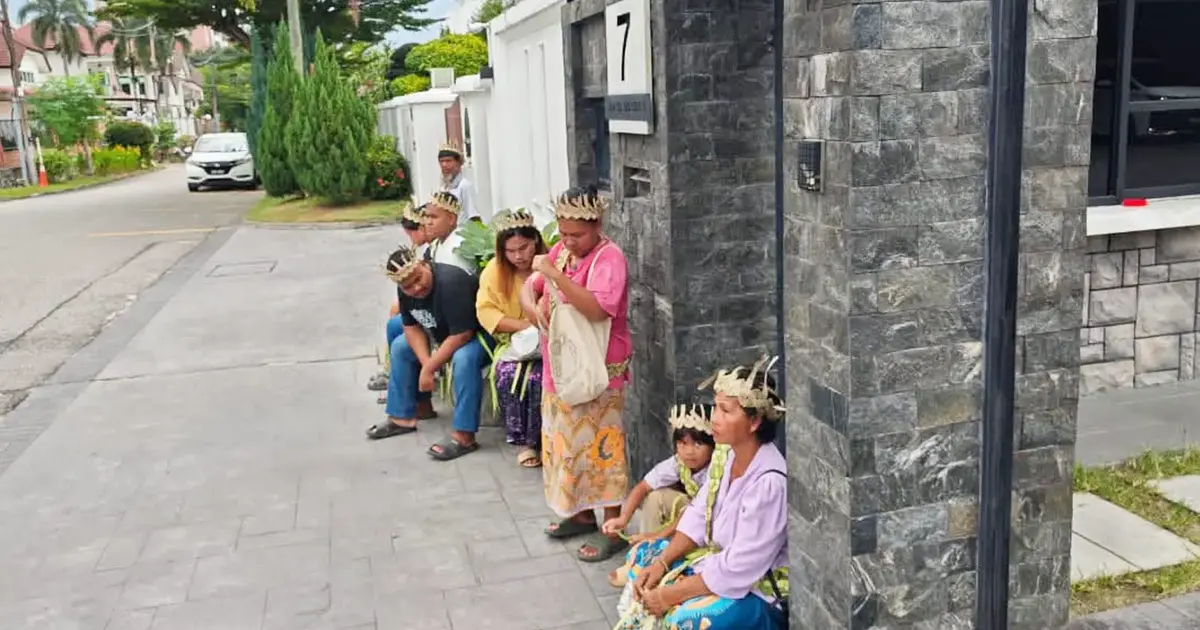
Prime Minister Anwar Ibrahim has confirmed that three Orang Asli individuals detained in relation to a land dispute have been released, marking a potential turning point in a case that highlights ongoing tensions over indigenous land rights in Malaysia. The announcement underscores the complex interplay between federal oversight and state authority in resolving disputes affecting vulnerable communities, particularly in Pahang where the detention occurred.
The release of the three detainees comes after pressure on federal authorities to intervene in what supporters characterised as an unjust incarceration tied to land claims by indigenous communities. Orang Asli groups and human rights advocates have long argued that custodial disputes over land matters disproportionately affect indigenous populations who often lack formal documentation of ancestral lands and face disadvantages in state-level legal proceedings. The timing of this intervention suggests renewed federal sensitivity to these grievances, though questions remain about the broader circumstances that led to their initial detention.
In commenting on the resolution, Anwar indicated that the federal government would raise the underlying land matter with the Pahang state administration, recognising that land affairs fall squarely within state jurisdiction under Malaysia's federal constitution. This positioning reflects the constitutional reality that while the federal government can apply diplomatic pressure and ensure detention procedures are properly followed, substantive land policy and disputes remain the purview of state authorities. The promise to engage Pahang represents a middle ground between federal activism and respect for state prerogatives.
The detention itself reflects deeper structural challenges within Malaysia's indigenous affairs landscape. Orang Asli communities, scattered across peninsular Malaysia with significant populations in Pahang, have historically faced marginalisation in land disputes where formal title deeds and state-recognised ownership take precedence over customary claims and oral histories. When conflicts arise over land use or ownership, indigenous individuals sometimes find themselves on the wrong side of state authorities, particularly if their claims challenge established commercial or development interests.
Pahang, as a major economic and development hub with significant agricultural, mining, and tourism operations, has experienced recurring disputes over land boundaries and usage rights. The state has jurisdiction over matters affecting Orang Asli welfare and land claims, though critics argue that state governments often prioritise economic development and established property rights over indigenous considerations. The federal intervention signals that the Prime Minister's office is aware of this imbalance and concerned about the implications for social cohesion and indigenous rights.
The release of detainees does not necessarily resolve the underlying land dispute, which will likely require sustained negotiation between Orang Asli representatives, state land authorities, and potentially commercial interests involved. Pahang will need to address the substantive claims that prompted the detention in the first place, and the state government now faces pressure to demonstrate it takes indigenous land concerns seriously. Without resolution of these core issues, further tensions are likely.
From a broader Southeast Asian perspective, Malaysia's handling of Orang Asli land disputes carries implications for regional indigenous rights discourse. Many Southeast Asian nations grapple with similar tensions between development imperatives and indigenous land claims, and Malaysia's approach influences regional standards. The federal government's willingness to intervene, even within constitutional limits, suggests acknowledgement that leaving such matters entirely to state discretion risks marginalising vulnerable populations.
The announcement also carries political significance for Anwar's administration, which has positioned itself as more responsive to civil society concerns than its predecessors. Intervening in the detention demonstrates sensitivity to human rights advocacy and indigenous welfare issues that resonate with certain voter constituencies and civil society organisations. This political capital will likely encourage further activism on behalf of Orang Asli groups, who may press for more substantial federal commitments to land rights recognition and protection.
Looking forward, the case illustrates the need for clearer frameworks governing how Orang Asli land disputes should be handled, particularly when they result in detention. Current mechanisms appear ad hoc and reactive rather than preventive, responding to detentions after they occur rather than establishing transparent procedures that protect indigenous rights during disputes. Federal and state authorities should consider developing joint protocols that acknowledge both constitutional jurisdiction and indigenous welfare obligations.
The resolution also raises questions about why detention was considered necessary in the first place. Land disputes typically involve civil rather than criminal matters, and the basis for custodial action warrants scrutiny. If individuals were detained on grounds now considered insufficient by federal authorities, the legal and procedural standards applied in Pahang may need revision to prevent future incidents.
Moving forward, Anwar's engagement with Pahang presents an opportunity to establish precedent for cooperative federal-state handling of indigenous matters. Whether this intervention leads to substantive improvements in how land disputes are managed, or remains a one-off response to a particular case, will significantly influence indigenous communities' confidence in Malaysia's federal system. The stakes extend beyond the three individuals released to encompass how Malaysia addresses indigenous rights more broadly.

