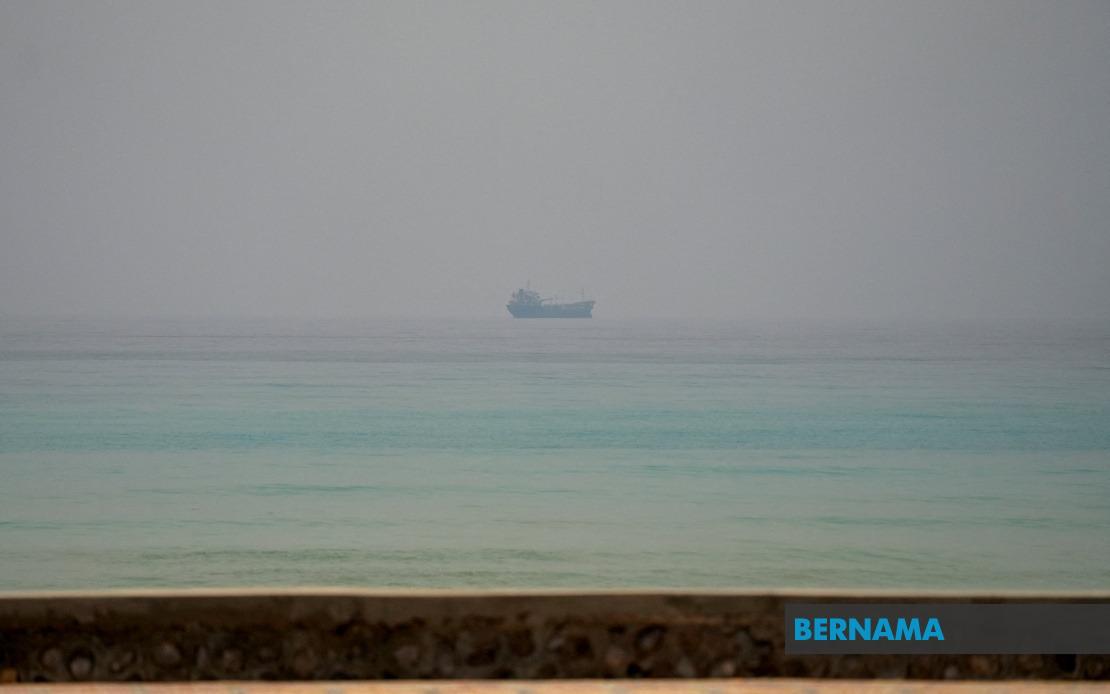
Three commercial oil tankers came under attack in separate incidents off the coast of Oman on Tuesday, according to the country's Maritime Security Centre, marking a sharp escalation in maritime tensions within one of the world's most economically vital shipping corridors. The attacks, which resulted in three crew members unaccounted for and six others suffering injuries, underscore the deteriorating security environment in the Arabian Gulf and the Strait of Hormuz, a waterway through which roughly one-third of global seaborne oil trade passes annually.
The first vessel to be struck was the Stolt Magnesium, which sustained damage approximately 40 nautical miles off South Al Sharqiyah Governorate in waters outside Oman's territorial jurisdiction. The impact ignited a fire in the ship's engine compartment, prompting immediate evacuation procedures. All 23 crew members aboard were successfully rescued by another merchant vessel operating in the vicinity and reported to be in stable condition, preventing what could have been a catastrophic loss of life in that particular incident.
A second tanker, the Mombasa B, experienced a strike just 8.5 nautical miles from the coast of Musandam Governorate, leaving the vessel without functional engines and unable to maintain course or speed. The ship's 21 crew members were evacuated with assistance from a cooperating vessel, though the rescue operation revealed that six seafarers had sustained varying degrees of injury during the strike. The Royal Navy of Oman deployed assets to monitor the disabled vessel and maintain a security presence in the area as the situation developed.
The third vessel affected, the Al Bahyah, was struck approximately 9.6 nautical miles offshore from Musandam Governorate. Following the impact, 18 of the ship's complement were successfully evacuated by rescue forces, but three crew members remain missing, prompting ongoing search-and-recovery operations in the surrounding waters. The uncertainty regarding the fate of these three individuals has intensified concerns about the true human cost of the day's incidents and highlights the perilous conditions now facing commercial shipping in the region.
ADNOC Logistics & Services, the maritime transport subsidiary of Abu Dhabi National Oil Company, publicly confirmed that two of the attacked vessels—Al Bahyah and Mombasa B—are operated under its management. The company stated that both tankers were struck by projectiles while navigating through the Strait of Hormuz and disclosed that at least one crew member had been killed, adding a fatality to the day's mounting toll. Several other personnel sustained injuries from the projectile impacts, expanding the human cost beyond those initially reported missing.
These incidents occur amid an evident escalation in hostilities between the United States and Iran over control and influence within the Strait of Hormuz, a flashpoint that has recurrently threatened global energy security and regional stability. The repeated nature of such attacks suggests a pattern rather than isolated incidents, raising alarms among international shipping companies and governments dependent upon unobstructed maritime commerce through the passage.
Oman's Foreign Ministry responded to the day's events by issuing a formal statement emphasizing adherence to established international maritime law and calling for the immediate restoration of freedom of navigation guarantees. The statement further urged all parties to uphold the right of commercial vessels to transit safely through the strategic waterway without facing aggressive interference. Such diplomatic language reflects Oman's traditional role as a regional mediator and its concern that continued volatility could have profound consequences for regional prosperity and international trade flows.
For Malaysian readers and businesses, these developments carry significant implications given the country's substantial maritime commerce and energy sector interests. Malaysia operates numerous vessels through the Strait of Hormuz and maintains important trade relationships throughout the Arabian Gulf region. The increased risk to shipping fundamentally affects Malaysian exporters, importers, and energy consumers, as insurance premiums inevitably climb and shipping companies demand higher compensation for navigating contested waters.
The broader geopolitical dimension reveals how regional conflicts increasingly threaten global supply chains and energy markets far beyond the immediate vicinity of conflict. Disruptions to shipping in the Strait of Hormuz directly influence commodity prices, manufacturing costs, and consumer expenses across Southeast Asia, making developments in the Arabian Gulf far from abstract for Malaysian consumers and industrial enterprises.
Repeated incidents of this magnitude and frequency suggest that conventional diplomatic channels may be losing effectiveness in managing maritime security in the region. The targeting of commercial vessels, regardless of their flag state or cargo, represents a dangerous escalation that affects all nations dependent upon open-ocean commerce and energy supplies from Middle Eastern producers.
Shipping companies and governments have begun reassessing risk-mitigation strategies, including rerouting vessels around the Cape of Good Hope—a significantly longer and costlier alternative—or securing armed maritime escorts through contested waters. Such adaptations represent a permanent drag on global trade efficiency and ultimately impose costs dispersed throughout international commerce, including on Malaysian consumers and businesses reliant upon imported goods and fuel.
The incident sequence also demonstrates the inadequacy of existing regional security arrangements to prevent attacks on commercial shipping. As the situation develops, pressure will mount on major maritime powers to establish more robust security mechanisms and on regional actors to pursue diplomatic resolutions rather than continued confrontation in waters essential to global economic functioning.

