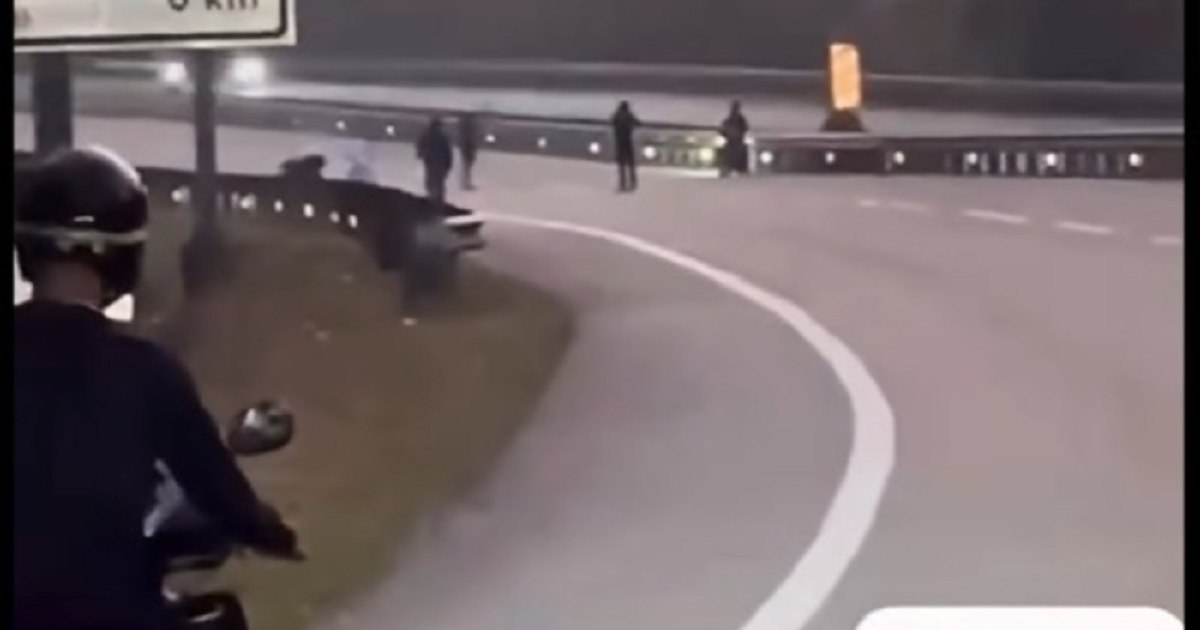
Authorities have intensified their investigation into the high-profile Second Link incident by apprehending three further suspects in Kuala Lumpur, according to police statements released in Kulai. The arrests stem from a widely circulated video that purportedly shows a group of motorcyclists obstructing traffic on the critical highway corridor linking Johor to Singapore in what appears to be an organised street racing event.
The viral footage, which sparked considerable public concern and debate across social media platforms, depicted what observers described as a deliberate closure of the Second Link to facilitate the illegal racing activity. Such incidents on major transportation arteries between Malaysia and Singapore are particularly sensitive given the route's significance as one of the region's primary trade and commuter corridors. The appearance of organised illegal racing on this strategically important highway has raised questions about enforcement capabilities and public safety protocols.
The three men detained in the capital represent a continuation of police operations that have already resulted in earlier arrests connected to the same incident. Investigators have been systematically working through evidence gathered from the viral video and subsequent digital investigations to identify and apprehend all individuals involved in the street racing event. The staggered nature of the arrests suggests a methodical approach to building a comprehensive case against the wider group.
Road safety advocates have expressed alarm at the incident, highlighting the dangers posed by illegal street racing activities on heavily utilised highways. The Second Link experiences substantial daily traffic volume, with commuters, commercial vehicles, and tourist traffic all relying on the route for cross-border travel. Any disruption caused by illegal activities not only threatens the safety of innocent road users but also demonstrates a concerning disregard for public welfare and legal regulations.
The investigation reveals a troubling trend of organised illegal racing events in Malaysia, particularly among motorcycle enthusiasts who congregate to participate in and document such activities for social media consumption. The viral nature of the Second Link footage underscores how these incidents gain momentum through digital platforms, potentially inspiring copycat behaviours and further endangering public safety. The sharing and amplification of such content, even in condemning tones, inadvertently contributes to the notoriety and allure of illegal racing culture.
Police have emphasised their commitment to tackling street racing through sustained enforcement efforts and investigation. The arrests in Kuala Lumpur indicate that authorities are casting their net beyond the immediate incident location to pursue all participants and organisers involved. Such comprehensive approaches are essential to disrupting the networks that facilitate and coordinate illegal racing events across the country.
The Second Link's status as a critical cross-border transport route makes the incident particularly noteworthy for regional observers and policymakers. Singapore and Malaysian authorities maintain close coordination on matters affecting the bridge, and such disruptions can prompt discussions about enhanced security and traffic management measures. The incident also raises questions about whether current enforcement strategies adequately deter would-be participants in illegal racing activities.
For commuters and businesses reliant on the Second Link, incidents of this nature represent more than mere traffic inconvenience. Blockades caused by illegal activities create uncertainty about travel times, potentially disrupt supply chains and commerce, and generate anxiety about road safety. The psychological impact of knowing that organised groups are willing to obstruct major highways underscores the need for robust preventive measures and swift justice processes.
The road safety community in Malaysia and across Southeast Asia has noted that viral videos of illegal street racing often attract participation from individuals seeking social media attention and peer recognition within racing subcultures. Breaking this cycle requires not only law enforcement action but also engagement with youth communities to promote alternative outlets for automotive and motorcycle enthusiasm that operate within legal frameworks. Several regional cities have established legal racing venues and organised events that channel such enthusiasm constructively.
Authorities have indicated that investigations remain ongoing, and additional arrests or charges may follow as evidence gathering continues. The scope of the inquiry extends beyond merely identifying individuals present at the incident to establishing the roles of organisers, those who publicised the event, and any commercial elements involved in coordinating the illegal racing activity. This multi-layered investigation approach reflects evolving police strategies in addressing organised street racing phenomena.
The Second Link incident serves as a reminder of persistent challenges facing Malaysian road authorities in maintaining highway safety and order despite sophisticated enforcement systems and surveillance capabilities. It also highlights the need for comprehensive strategies addressing illegal street racing culture, including legislative review, community engagement, and targeted interventions within communities most affected by these activities.

