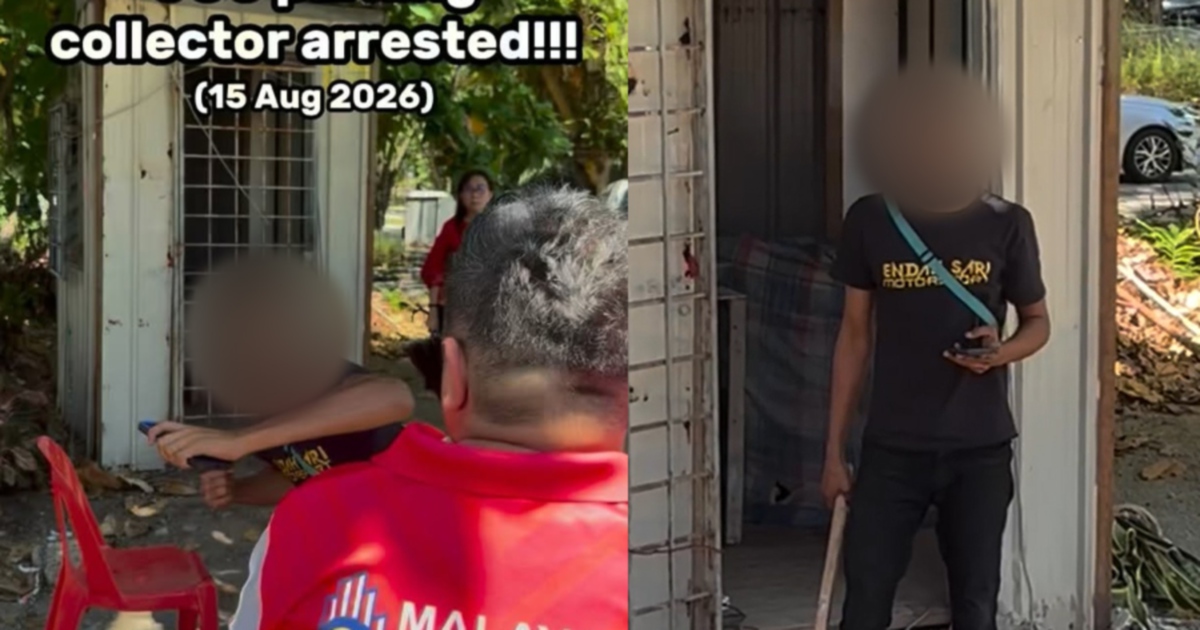
Police have taken into custody three individuals in connection with an assault on a 38-year-old woman in the Kuala Lumpur neighbourhood of OUG, following reports that she was physically attacked and intimidated when she challenged what authorities suspect to be an unlicensed parking collection operation. The incident highlights ongoing concerns about informal revenue-collection schemes operating in residential areas across the capital and surrounding districts, where unregistered individuals demand fees from vehicle owners in car parks without formal municipal authorisation.
The woman's decision to confront the men over the legitimacy of their parking collection activities triggered a volatile confrontation, during which she was allegedly struck on the head and subjected to threats. Residents in mixed-use residential and commercial areas like OUG often fall victim to such operations, many remaining uncertain whether parking levy collectors are acting on behalf of legitimate local management bodies, municipal authorities, or engaging in freelance extortion. The lack of clear identification or documentation that parking collectors must display has created an environment where both actual and fraudulent operations coexist, leaving residents vulnerable to abuse when they question unfamiliar individuals demanding payment.
The Kuala Lumpur police's rapid response and arrest of the three suspects indicates heightened attention to vigilantism and unauthorised collection schemes within urban residential zones. These types of informal taxation systems have proliferated in medium and low-cost housing areas, car park complexes, and apartment blocks throughout the Klang Valley, often justified by perpetrators as necessary for maintenance costs that residents and management have allegedly failed to fund through proper channels. However, the majority of such schemes operate without legal standing or transparent accounting, making it difficult for residents to verify how collected funds are utilised.
The incident also underscores a broader pattern of intimidation that accompanies resistance to informal levies. When questioned about the legitimacy of their collection activities, some operatives have resorted to physical aggression or threats designed to discourage future challenges to their authority. This escalation from disputed fees to violence complicates law enforcement responses, as crimes of assault and extortion become interwoven with disputes over parking management and neighbourhood governance. The woman's willingness to confront the collectors, though ultimately placing her at personal risk, reflects mounting frustration among residents tired of unclear parking arrangements and mounting unaccounted expenses.
OUG, a well-established residential enclave in the southern part of Kuala Lumpur, comprises predominantly medium-cost properties with limited on-street parking facilities, making formal and informal collection mechanisms both commonplace. Residents in such areas have increasingly called for clearer municipal guidelines and enforcement standards to distinguish between legitimate parking management and unlicensed extraction schemes. The City Hall authorities have periodically announced crackdowns on unauthorised parking levy collectors, yet such operations continue to resurface, often because initial deterrents prove insufficient or because new operatives enter markets where demand for informal parking regulation persists.
The role of management corporations and resident associations in combating these schemes remains contested. Some associations struggle to impose formal, transparent parking fees through proper channels, partly due to low collection rates from residents unwilling to pay levies they perceive as unreasonable or improperly administered. In response, some management bodies have tacitly tolerated informal collectors as a parallel revenue stream, while others have actively worked with authorities to eliminate unauthorised operations. The ambiguity surrounding responsibility for parking management in developments with mixed ownership structures creates opportunities for opportunistic individuals to claim authority they do not possess.
Legal frameworks governing parking collection and penalty enforcement in Kuala Lumpur are administered through the Local Government Act and municipal by-laws, yet enforcement mechanisms remain inconsistent across different residential precincts. Residents frequently express confusion about which agencies hold legitimate authority to collect parking fees, whether from the City Hall, condominium management corporations, or registered security firms. This confusion has been systematically exploited by unauthorised collectors who rely on residents' uncertainty to extract compliance through intimidation rather than formal processes.
The investigation into the alleged assault is proceeding under sections covering both physical injury and potentially extortion or intimidation offences. Police statements indicate that the evidence gathering phase has progressed to the point of formal arrest, suggesting investigators have identified sufficient grounds to pursue charges against the three detained individuals. The duration of detention and forthcoming court appearances will largely determine whether charges are eventually filed and what category of offence applies to their conduct.
The incident has prompted renewed calls from housing associations and resident groups across Kuala Lumpur for the city authorities to implement a transparent parking management system with clearly identifiable, authorised collectors and published schedules of applicable fees. Consumer advocates have suggested that residents require accessible channels for reporting suspected illegal collections without fear of retaliation. The police engagement in this case, coupled with explicit public acknowledgement that the parking fee operation was unlicensed, marks an important acknowledgement that such schemes constitute criminal conduct rather than civic disputes to be resolved privately.
Looking forward, the outcome of this case may influence how residents in other OUG sectors and comparable neighbourhoods respond to parking collectors they regard with suspicion. If convictions result, the precedent may embolden other residents to challenge illegitimate operations and report them to authorities, though the risk of violence remains a genuine deterrent. Simultaneously, this case underscores the necessity for municipal authorities to strengthen their own parking management capacity, making formal and clearly legitimised collection systems the dominant model in residential areas, thereby eliminating the conditions that allow informal schemes to flourish.

