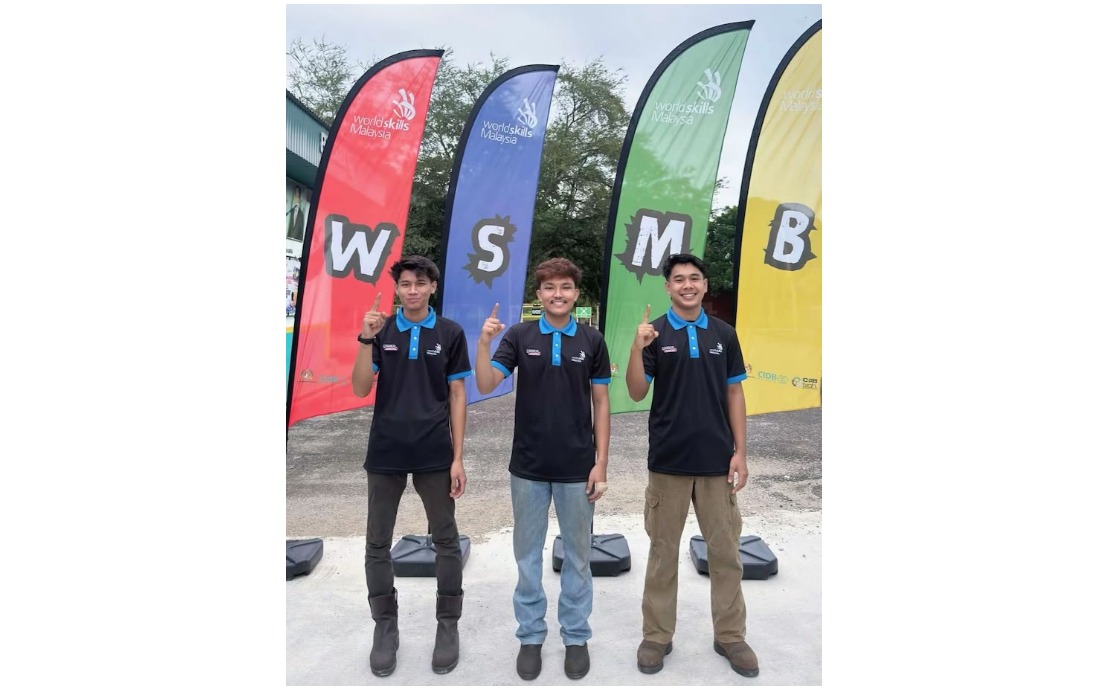
The journey of WorldSkills Malaysia Belia (WSMB) spans more than three decades of commitment to developing skilled professionals for the nation's construction and related industries. Established in 1990 as the Malaysian Skills Champion Competition under the leadership of the fourth Prime Minister, Tun Dr Mahathir Mohamad, the initiative has undergone substantial evolution through multiple rebranding efforts. Initially known as Anugerah Tangan Emas Perdana Menteri from 1991 to 2006, it later transformed into MySkills for a six-year period before adopting its current identity in 2014. This trajectory reflects not merely a change in nomenclature but a deepening commitment to aligning talent development with Malaysia's industrialisation needs and global competitiveness standards.
At its core, WSMB functions as both a competitive platform and a systematic pipeline for cultivating construction industry talent. Champions who emerge from the competition advance through structured development and training programmes specifically designed to prepare them for participation in WorldSkills international competitions. This pathway ensures that Malaysia's representatives are not simply skilled by domestic standards but equipped to compete and excel alongside peers from developed nations. The significance of this international dimension cannot be overstated, particularly for a Southeast Asian nation seeking to position itself as a hub for quality skilled labour in regional and global markets.
The infrastructure supporting WSMB demonstrates institutional sophistication in talent development. The Malaysian Construction Academy (ABM) and CIDB Technologies serve as the primary delivery mechanisms, both accredited by the Construction Industry Development Board (CIDB) and equipped with facilities meeting international training standards. This institutional backing provides participants with access to modern equipment, contemporary methodologies, and expert instruction that would otherwise be difficult for individual learners to secure. For Malaysian workers, particularly those from rural or economically disadvantaged backgrounds, WSMB represents a genuine opportunity to access world-class training infrastructure that might otherwise remain inaccessible.
According to Mohd Hafiz Dasahi, chief executive officer of CIDB Technologies, the programme transcends its surface function as a skills competition. Rather, WSMB operates as a deliberate strategy for generating a generation of construction professionals capable of driving industry transformation. This framing reflects a sophisticated understanding that Malaysia's competitive advantage in construction and related sectors depends not on labour cost but on workforce capability and professionalism. The emphasis on talent investment as a determinant of future national competitiveness signals recognition that the construction boom witnessed across Southeast Asia requires not just manpower but genuinely skilled practitioners who can manage complex projects, adopt new technologies, and maintain international standards.
The assessment framework employed in WSMB competitions, exemplified through the welding specialisation, extends well beyond basic technical competency. Participants face evaluation across multiple dimensions including measurement precision, workmanship quality, compliance with established procedures, time management efficiency, problem-solving capability, and adherence to occupational safety and health standards. This multifaceted assessment approach reflects modern industry requirements, which demand workers possessing not merely technical knowledge but also soft skills, safety consciousness, and professional discipline. As noted by Zarulhakim Abdul Rahim, Welding head at CIDB Technologies, participants benefit from development in self-confidence, discipline, and resilience alongside technical advancement, preparing them for leadership progression within the construction sector.
The contemporary construction landscape across Southeast Asia increasingly incorporates advanced technologies and globally-sourced methodologies. WSMB's integration of latest technologies and international processes ensures participants develop competencies aligned with these evolving industry standards. This exposure proves particularly valuable for Malaysian workers seeking employment or advancement opportunities beyond national borders, whether in Singapore, Brunei, or the broader ASEAN region. Companies operating in welding, manufacturing, and related sectors recognise this reality and actively support WSMB through provision of equipment, consumables, and technical guidance, as exemplified by Lincoln Energy and Vinxus Mark representatives who commit resources to ensure participants train using industry-standard equipment and methodologies.
Young professionals participating in WSMB bring varied backgrounds and motivations. Ahmad Syafie Dasuki, at twenty years old, drew upon nearly two years of workshop experience in Teluk Kalong, Kemaman, Terengganu, before engaging with the competition. His participation represents not a first encounter with welding but a deliberate step to formalise and elevate existing practical knowledge through structured, internationally-aligned training. Similarly, Muhammad Fazran Md Rashid at twenty-one years operates within the welding industry in Kulim, Kedah, while pursuing WSMB participation as a mechanism for skill enhancement and confidence development. These participants embody a conscious strategy of upskilling rather than initial vocational acquisition, suggesting Malaysia's construction sector increasingly comprises workers seeking continuous professional advancement.
For participants like Mohd Sahmi Irfan Sulaimi from Setiu, Terengganu, WSMB advocacy centers on encouraging broader youth engagement with structured skills development. His perspective emphasises that competition participation yields benefits extending beyond technical capability—including professional networking, self-confidence construction, and enhanced career trajectory prospects. This emphasis on holistic professional development represents a significant departure from purely technical training models, acknowledging that sustainable career progression requires interpersonal skills, resilience, and professional identity alongside technical expertise. The construction sector's future depends on attracting young people who view skilled trades as legitimate career paths offering dignity, advancement, and competitive remuneration.
The ecosystem supporting WSMB reflects collaboration between training institutions, industry players, and government bodies pursuing aligned objectives. This tripartite engagement ensures training programmes remain responsive to technological evolution and market requirements rather than becoming static or outdated. For Malaysian construction companies competing regionally and globally, access to consistently upskilled workforces represents genuine competitive advantage. For workers, WSMB participation signals commitment to continuous improvement and professional development, factors increasingly valued by employers operating sophisticated project management systems and quality assurance frameworks.
Looking across Southeast Asia's construction landscape, Malaysia's institutional commitment to skills development through WSMB positions the nation competitively. While neighbouring countries also pursue skills initiatives, the longevity, institutional embedding, and international orientation of WSMB provide distinctive advantages. The programme's three-decade trajectory demonstrates governmental persistence in workforce development despite economic cycles and political transitions, suggesting genuine strategic commitment rather than temporary initiative. This constancy creates predictability and legitimacy that encourages both employer and worker investment in participation.
The welding specialisation, prominently featured within contemporary WSMB discourse, reflects construction sector realities. Welding skills remain critically important for infrastructure development, manufacturing, petrochemical operations, maritime sectors, and energy projects that characterise regional industrial activity. Shortages of qualified welders create bottlenecks in project execution and drive wage premiums for skilled practitioners. By systematically developing welding expertise through WSMB, Malaysia cultivates human capital addressing genuine sector constraints while creating employment pathways for young workers. This supply-side intervention to market gaps represents intelligent workforce planning.
The international competitive dimension of WSMB carries particular significance for Malaysian participants. Competing at WorldSkills events provides exposure to global standards, contemporary technologies, and peer professionals from developed economies. Such international benchmarking establishes psychological confidence that Malaysian-trained skills meet global standards while motivating continuous improvement. Winners and even non-winning participants return to Malaysian industries carrying international credibility and networks, enhancing sector professionalism. This soft-power benefit of international competition participation should not be underestimated in assessing WSMB's comprehensive value proposition.
Moving forward, WSMB's challenge involves sustaining relevance amid rapid technological transformation affecting construction practices. Automation, digitalisation, and advanced materials will reshape skill requirements across coming decades. The programme's institutional flexibility and demonstrated willingness to rebrand itself suggest capacity to adapt. However, maintaining equilibrium between technological advancement and manual skill development remains complex. WSMB's continued success depends on institutional agility in identifying emerging skills requirements, investing in corresponding training infrastructure, and maintaining industry partnerships that signal which competencies markets genuinely reward.
Ultimately, WSMB exemplifies how strategic workforce development policies can elevate national competitiveness and individual opportunity. Three decades of institutional commitment have created credible pathways enabling Malaysian youth to transform construction and manufacturing careers from survival employment into professional callings. As Southeast Asia's construction boom continues alongside technological transformation, the programme's legacy of developing skilled, confident, internationally-aware professionals becomes increasingly valuable. The young workers currently participating in WSMB will constitute the construction industry leadership cadre of the 2030s and 2040s—a reality that makes contemporary training investments consequential for Malaysia's long-term developmental trajectory.

