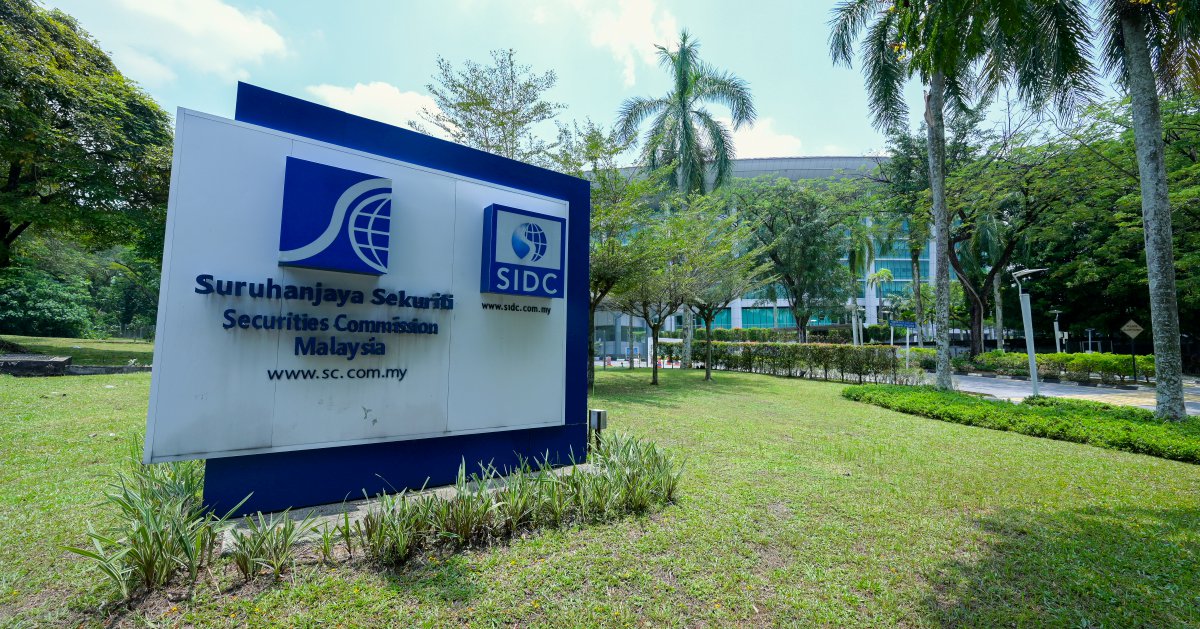
Three brothers have become the subject of formal charges at separate proceedings in Kuala Lumpur Sessions Courts after investigators determined they had been operating capital market activities without the necessary regulatory approval from authorities. The Securities Commission (SC), Malaysia's primary financial markets regulator, confirmed the charges were filed across multiple court venues in the federal capital.
The nature of unlicensed capital market activities represents a significant concern for Malaysian financial regulators, as such operations circumvent the robust licensing framework established to protect retail investors from fraud and misconduct. When individuals or entities conduct securities trading, investment advisory services, or related financial activities without proper authorisation, they operate outside the oversight mechanisms designed to ensure market integrity. The SC's enforcement action underscores the regulator's commitment to pursuing operators who sidestep these requirements, which form the foundation of investor protection across Malaysia's financial ecosystem.
The decision to bring charges against all three brothers across separate court instances indicates that each may have been involved in distinct operational aspects or that their activities warranted individual legal proceedings. This prosecutorial approach allows the courts to examine each brother's specific role and extent of participation in the unlicensed operations. Separating cases can also provide clarity regarding individual culpability while maintaining distinct legal records for each defendant.
Capital market enforcement has become increasingly prominent in Malaysia's regulatory agenda as the country seeks to maintain investor confidence and international standards compliance. The SC has intensified scrutiny of unregistered operators, particularly as digital platforms have made it easier for unlicensed actors to reach potential investors. These enforcement efforts reflect broader regional and global trends toward tightening oversight of financial services providers who operate beyond regulatory boundaries.
Unlicensed capital market activities pose multifaceted risks to the Malaysian investment landscape. Retail investors who engage with unregistered operators lack the protective mechanisms that licensed intermediaries must provide, including segregated customer assets, professional indemnity insurance, and compliance with conduct-of-business rules. When disputes arise, complainants have limited recourse through formal regulatory complaint channels. The absence of proper due diligence standards also increases vulnerability to market manipulation and fraud schemes that would trigger immediate intervention if perpetrated by regulated entities.
The timing of these charges reflects ongoing SC vigilance as regulatory agencies globally grapple with enforcement priorities amid expanding digital financial services. Malaysia's capital markets regulator has historically pursued cases involving Ponzi schemes, unauthorised forex trading platforms, and unlicensed investment advisory services that have defrauded thousands of Malaysians. This enforcement action continues that trajectory while signalling that regulators remain active in identifying and prosecuting non-compliant operators regardless of their business model or operational scale.
For Malaysian investors, the case serves as a cautionary reminder about the importance of verifying that financial service providers maintain valid SC licenses before engaging them. The regulator maintains publicly accessible registers of licensed dealers, advisers, and other market participants, enabling investors to conduct due diligence. Dealing with unregistered operators exposes individuals not only to financial loss but also to protracted legal battles with limited institutional support, as government compensation schemes typically protect only dealings with licensed entities.
The charges also highlight broader challenges that Southeast Asian financial regulators face in monitoring the proliferation of investment platforms and services offered through digital channels. Technological barriers that previously limited unauthorized operators' reach have largely eroded, enabling sophisticated fraudsters to market illegal services across borders and through multiple jurisdictions simultaneously. The SC's continued enforcement activity demonstrates a pragmatic response to these challenges, though resource constraints remain a concern for many regional regulators.
Understanding the distinction between licensed and unlicensed capital market activities proves essential for any individual considering investment opportunities. Licensed entities operating in Malaysia must satisfy stringent capital adequacy requirements, maintain detailed records of client transactions, and submit to periodic regulatory examinations. Unlicensed operators can offer none of these protections, making them inherently unsuitable counterparties for legitimate investment activity.
The SC continues encouraging investors to report suspected unlicensed activities and to utilise available grievance mechanisms when they encounter suspicious investment solicitations. Public participation in enforcement efforts remains critical, as regulatory agencies cannot monitor all market participants independently. This collaborative approach between regulators and informed investors strengthens Malaysia's overall capital market resilience and reduces the scope for unscrupulous operators to establish sustainable fraudulent enterprises.

