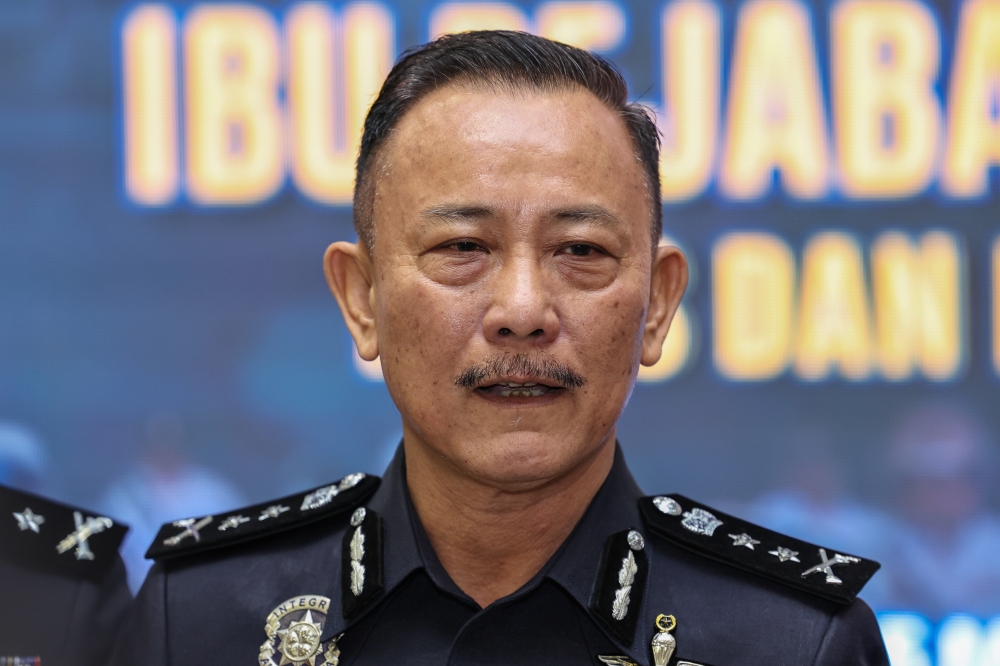
Authorities in Johor Bahru have taken three men into custody as they intensify investigations into the death of a local resident whose body was recovered from a river in the state. The discovery marks a significant development in what had been a missing persons case, prompting immediate police action and the apprehension of individuals believed to be connected to the incident.
The swift arrests underscore the seriousness with which state police are treating the matter. Law enforcement officials have not yet disclosed the specific relationship between the detained men and the deceased, though their involvement in the case appears significant enough to warrant immediate custody. This approach is typical in serious criminal investigations where potential witnesses or suspects are held for detailed questioning and the gathering of statements.
Johor has experienced its share of criminal incidents in recent years, and police responses have increasingly emphasised rapid mobilisation of resources once credible leads emerge. The discovery of the body in the river, rather than at a residential location or public place, suggests circumstances that may require careful forensic analysis and reconstruction of events leading up to the death. Such cases often present investigative complexities that demand sustained effort from multiple police departments working in coordination.
For families and communities affected by sudden deaths, the period following discovery is fraught with uncertainty and concern. The missing person's family would have endured considerable anxiety during the period when their relative was unaccounted for, and the subsequent discovery, while providing closure of sorts, introduces a different layer of trauma as questions about how and why the death occurred begin to surface. The arrest of three individuals suggests that the circumstances may not be accidental.
The state's police force has made criminal investigations and community safety core operational priorities. Training and resource allocation have reflected this commitment, with enhanced forensic capabilities and inter-agency cooperation becoming standard practice. Cases involving deaths under unclear circumstances typically trigger protocols that involve medical examiners, crime scene specialists, and homicide investigators working in tandem to establish facts and timelines.
River-related deaths in Malaysia have occasionally pointed to various causes ranging from accidental drowning to foul play. Without detailed official statements, speculation remains premature, but the police decision to arrest three individuals rather than simply treat the matter as an accident suggests preliminary investigations have uncovered elements warranting criminal inquiry. The nature of such evidence—whether physical, testimonial, or circumstantial—will likely emerge more clearly as the investigation progresses through established legal frameworks.
The legal procedures governing custody and questioning in Malaysia require that detained individuals be brought before a magistrate within a specified timeframe. This ensures that custody periods are justified and that individuals' rights are protected while investigations proceed. The arrested men will have access to legal representation, and the investigation must adhere to evidence-gathering standards that will ultimately determine whether charges are pursued or individuals released pending further inquiries.
For residents of Johor, incidents of this nature can impact community perception of safety and social cohesion. Public confidence in police investigative competence becomes crucial in such situations. Transparent communication about progress in investigations, while respecting the legal constraints surrounding active cases, helps maintain trust in the criminal justice system. The public's role in providing information to authorities has often proven pivotal in resolving complex cases, and police typically appeal for witnesses or anyone with relevant information to come forward.
The discovery also highlights the importance of community vigilance and reporting of missing persons promptly. Early reporting enables police to mobilise search operations while leads remain fresh and potential witnesses can recall relevant details. Johor's geographical characteristics, including its extensive river systems, waterways, and industrial areas, necessitate coordinated search strategies that combine local knowledge with modern investigative techniques.
As the investigation unfolds, the three detained individuals will undergo detailed questioning aimed at establishing their knowledge and involvement in the circumstances surrounding the death. The police will examine physical evidence, gather forensic data, and cross-reference statements to construct a clear narrative of events. This process, while time-consuming, is essential to ensuring that any charges brought reflect the actual circumstances and that justice is pursued through proper legal channels.
The case represents the ongoing challenges faced by law enforcement agencies throughout Malaysia in addressing serious crimes and maintaining public safety. Success in such investigations depends on cooperation between multiple police units, support from forensic specialists, and often the crucial assistance of members of the public who provide information. The coming weeks and months will likely see developments as evidence is analysed and the investigation moves through its various stages toward potential prosecution or clearance of suspects.

