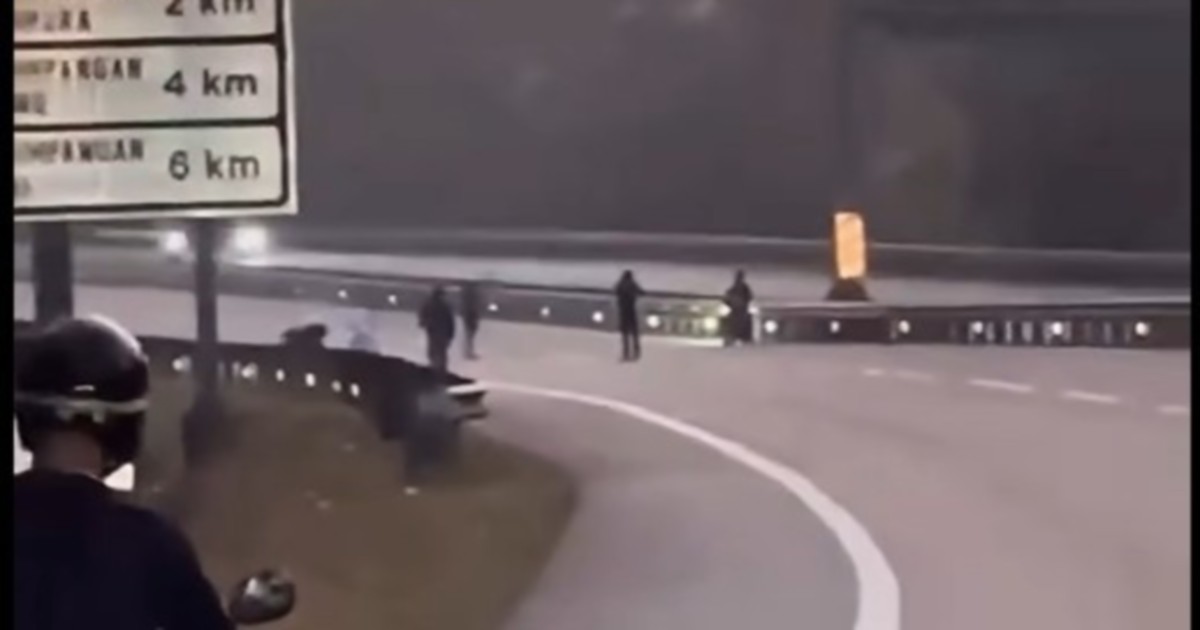
Authorities in Kulai have detained three more individuals suspected of involvement in an illegal motorcycle racing operation that occurred on the Second Link highway connecting Johor to Singapore, significantly expanding the scope of an investigation that has now ensnared 11 people overall.
The remanded suspects join a growing list of individuals facing charges linked to the dangerous street racing incident, which authorities view as a serious breach of public safety regulations and highway traffic laws. The Second Link, a crucial commercial and transportation corridor between Malaysia and Singapore, has become the focal point of heightened police scrutiny following the unauthorized motorcycle rally.
Illegal street racing represents an escalating concern for Malaysian law enforcement, particularly on major thoroughfares that carry substantial volumes of commuter and commercial traffic daily. The Second Link, spanning approximately 25 kilometres, handles hundreds of thousands of vehicles weekly, making any unauthorized racing operation an acute risk to innocent motorists and pedestrians alike.
The involvement of multiple individuals across the investigation chain suggests organisational elements within the incident, indicating potential coordination among participants rather than isolated spontaneous behaviour. This pattern has prompted authorities to examine potential networks involved in organizing similar events, examining whether participants communicate through online platforms, social media groups, or established subcultures centred around motorcycle enthusiasts.
Police investigations typically examine several dimensions in motorcycle racing cases, including the identities of organizers, participants' roles during the event, spectator involvement, and potential media coordination or documentation. Understanding these operational aspects helps authorities identify structural vulnerabilities in enforcement and develop preventative strategies targeting future incidents.
The accumulation of 11 arrests within a single investigation reflects systematic police work and suggests that initial detainees provided information facilitating identification of additional suspects. Such cascading arrests often emerge from interrogation processes where cooperation yields leads to other participants, creating compound legal jeopardy as cases develop through investigation phases.
Street racing culture, whilst celebrated in certain entertainment contexts internationally, carries genuine public safety implications that Malaysian authorities must balance against civil liberties. The high speeds involved, typically exceeding legal highway limits substantially, multiply accident risks for both participants and uninvolved road users who may encounter racers travelling at dangerous velocities without warning.
The Second Link's significance as a binational gateway amplifies concerns about safety and sovereignty. Racing incidents occurring on this corridor potentially attract attention from Singaporean authorities, creating bilateral coordination requirements and complicating administrative responses. Both nations share vested interests in maintaining safe passage across this strategic route.
Motorcycle racing enforcement challenges extend beyond immediate apprehension of participants. Authorities must contend with event documentation through participants' personal devices, social media dissemination that glorifies dangerous behaviour, and spectator attendance that facilitates organization and provides encouragement to racers. Digital evidence typically features prominently in contemporary investigations, with investigators examining uploaded videos, location data, and communication records.
The penalties for illegal racing in Malaysia carry significant consequences, including potential imprisonment, substantial fines, and driving licence suspension or revocation. These legal mechanisms attempt to deter participation while acknowledging that some individuals remain undeterred by administrative measures alone, necessitating custodial consequences.
This incident underscores broader challenges facing traffic authorities across Southeast Asia as motorized transportation expands and performance-oriented subcultural communities develop. The Second Link arrests exemplify law enforcement responses, yet also highlight recurring patterns suggesting persistent demand for unregulated racing opportunities despite legal consequences and safety hazards.
Ongoing investigations may unveil additional participants or affiliated individuals as interrogations progress and digital evidence undergoes analysis. Police statements typically emerge at investigation conclusion or during charging procedures, potentially revealing further details about the operation's scale, coordination methods, and any commercial dimensions involving wagers or spectator fees.
For Malaysian motorists utilising the Second Link, particularly commuters traversing this corridor regularly, enforcement activity provides some reassurance regarding safety prioritisation. However, the recurrence of such incidents suggests that deterrent effects require sustained, visible enforcement presence combined with public awareness campaigns emphasizing risks and legal consequences associated with street racing participation.

