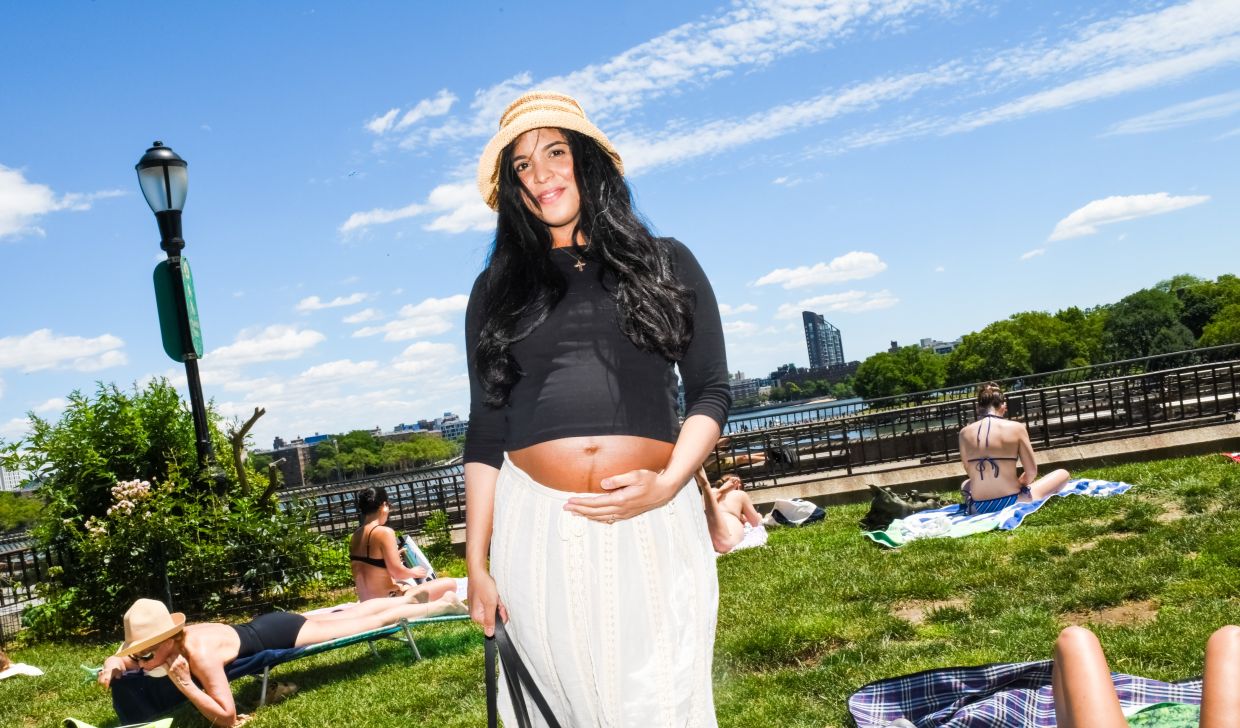
The maternity fashion landscape is undergoing a profound transformation, with expectant mothers across the globe increasingly choosing to display rather than disguise their pregnant silhouettes. This departure from decades of convention reflects changing cultural attitudes toward pregnancy, body positivity, and what it means to dress intentionally during one of life's most significant physical transitions. What was once viewed as something to be hidden away is now celebrated as a temporary yet powerful embodiment that deserves to be styled, showcased, and worn with pride.
Sarah Brown, a 36-year-old handbag designer and stylist, exemplifies this new approach to pregnancy dressing. When she was more than halfway through her pregnancy, she began deliberately positioning her bare midriff on full display through carefully styled outfits—pairing cropped grey T-shirts with tailored blazers and low-slung jeans. Her well-intentioned mother's suggestion that she purchase proper maternity jumpsuits missed the point entirely. Brown was not struggling to find appropriate clothing; rather, she was making a deliberate aesthetic choice to feature her changing body as a central element of her overall look. This distinction between necessity and style choice has become increasingly common among younger expectant mothers.
The visibility of pregnant bodies in contemporary culture extends far beyond individual social media posts. Over recent years, expectant mothers have appeared on major concert stages, in pregnancy announcement posts from high-profile celebrities, at beaches and parks, and in everyday street fashion wearing crop tops with deliberately exposed bellies, strategically placed cutouts, and even bikinis. This sustained public presence of the pregnant silhouette marks a significant departure from the approach that dominated previous decades, when expectant women were expected to disappear into shapeless, tent-like garments specifically designed to obscure the body's transformation. The current trend represents not merely a fashion choice but a cultural statement about bodily autonomy and self-expression during pregnancy.
This shift is partly rooted in generational attitudes and the prevalence of body positivity messaging among younger cohorts. According to Laura McAndrews, an associate professor specializing in fashion at Kent State University, Gen Z and millennial women have internalized different messages about their bodies compared to their predecessors. Having been exposed to body positivity rhetoric throughout their lives, these women are applying those principles across all stages of bodily transformation, including pregnancy. The contrast with the 1990s and earlier eras—when expectant mothers routinely covered themselves entirely in oversized, shapeless clothing—could hardly be starker. What was once deemed necessary concealment is now viewed as unnecessary suppression of self-expression.
Celebrity influence has undeniably catalyzed and normalized this cultural shift. The iconic photograph of Demi Moore, seven months pregnant and entirely nude on a magazine cover decades ago, planted seeds that have since flourished. For millennials and Generation Z members, a succession of high-profile pregnancy announcements has become culturally formative. Beyoncé's 2017 baby shower appearance, where she showcased her bare belly in striking fashion, generated unprecedented social media engagement. More recently, Rihanna's 2022 pregnancy reveal—wearing an unbuttoned bright pink Chanel puffer jacket with her exposed bump in full view—crystallized a new aesthetic standard for maternity fashion. Subsequent celebrities, including Anne Hathaway in June of the same year, have followed this template, creating a self-reinforcing cycle of visible, celebrated pregnancy.
Musician and author Michelle Zauner exemplified the direct influence of these cultural moments when she performed at New York's Governors Ball music festival in June while visibly pregnant, deliberately wearing an unbuttoned cardigan that revealed both a lacy black bra and her bare belly. Zauner explicitly acknowledged her inspiration from Rihanna's approach and her personal aversion to traditional maternity clothing, which she described dismissively as "giant muumuu sacks." Her performance represented not an accident of wardrobe but a conscious artistic and personal statement. She emphasized that her pregnancy had generated unexpected self-appreciation and bodily confidence, turning what she had previously anticipated as a physically demanding ordeal into something genuinely empowering.
Historically, the concealment of pregnant bodies served functions that extended well beyond mere fashion preference. Pregnancy was long regarded as something fundamentally improper to display publicly, with the visible pregnant body treated as evidence of sexual activity and thus inherently transgressive. This cultural prohibition meant that maternity clothing served primarily as camouflage rather than as a medium for self-expression. Isabel Davis, author of works examining pregnancy through historical and cultural lenses, situates contemporary fashion choices within this longer arc of social attitudes toward reproduction and the female body. Understanding this history illuminates just how radical the current embrace of visible pregnancy truly is.
Ariane Goldman, chief creative officer of Hatch, the maternity clothing company she founded in 2011, has witnessed this transformation directly. She established her business during an era when pregnancy remained largely taboo in professional and public settings, with many women concealing their pregnancies from employers out of fear of employment discrimination or termination. The shift over the past decade toward celebrating pregnancy as an expression of power and agency represents nothing short of revolutionary in the context of maternity wear's history. Yet even as women increasingly bypass dedicated maternity brands entirely, opting instead for crop tops from their own wardrobes or borrowing from partners, the maternity clothing market has adapted rather than disappeared.
The question of what this trend means for the maternity fashion industry itself generates ongoing conversation among industry leaders. Women who construct hybrid pregnancy wardrobes from their existing clothing, borrowed items, and strategic new purchases may believe they are eliminating the need for specialized maternity wear. Yet Goldman and her team have recognized that functionality remains important even for women committed to styling their pregnancies in contemporary fashion. Brown herself, despite her fashion-forward approach and deliberate belly exposure, ultimately required a few essential pieces specifically designed for pregnancy—elastic waistband pants from Los Angeles Apparel and unbuttoned Paloma Wool tops that accommodated her changing silhouette while remaining stylish.
This emerging equilibrium between complete rejection of maternity fashion and selective functionality suggests the industry's evolution rather than obsolescence. The traditional maternity wear market's dominance rested on the assumption that pregnancy required wholesale wardrobe replacement with specialized, concealing garments. Contemporary expectations are far more nuanced. Women now view pregnancy as an opportunity to make stylistic statements, to express confidence in their transforming bodies, and to challenge historical norms about propriety and bodily display. Yet the practical realities of accommodating a changing body over nine months mean that some specialized pieces remain valuable tools within a broader, more individualized approach to maternity dressing. The future of maternity fashion appears not as a single definitive category but as a flexible ecosystem supporting diverse personal choices about visibility, style, and bodily celebration.

