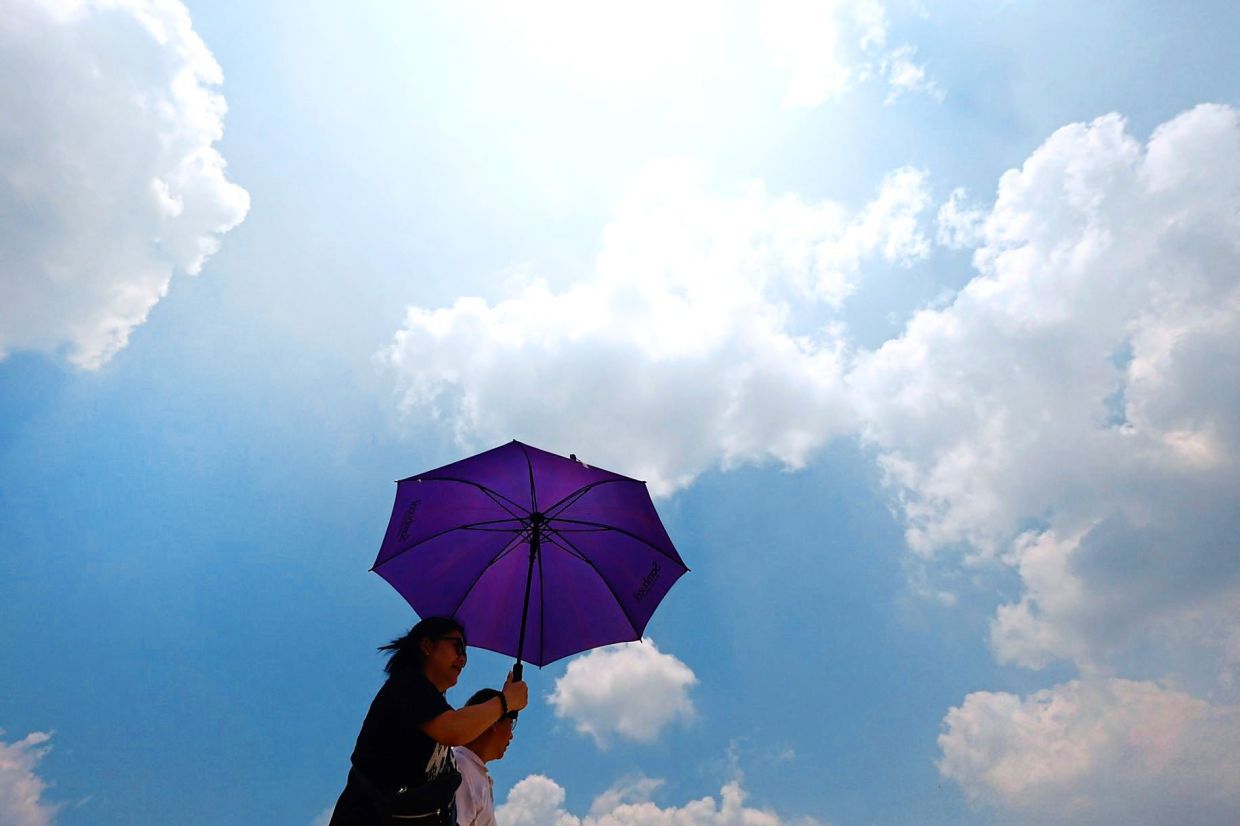
The World Health Organization declared on June 30, 2026, that extreme heat is no longer a seasonal anomaly but an entrenched feature of the global climate. Following record-breaking temperatures that killed dozens across Europe, Dr Hans Kluge, WHO's Europe regional director, cautioned that upcoming summers would present increasingly severe challenges. The scientific consensus has shifted decisively: heatwaves are expected to grow more frequent, more intense, and longer-lasting as human-induced climate change accelerates.
While mounting evidence suggests the human body possesses some capacity for heat adaptation, researchers emphasize that these biological mechanisms operate within strict parameters. Kathrin Graw, a medical meteorologist with Germany's national weather service (Deutscher Wetterdienst or DWD), explains that physiological responses to extreme heat follow patterns that reveal both resilience and vulnerability. The body's ability to adjust carries considerable constraints that worsen as temperature exposure extends beyond initial days.
The duration of heat stress fundamentally shapes health outcomes. Graw notes that prolonged heatwave conditions create compounding physical strain, with each successive day imposing greater metabolic burden. When nighttime temperatures remain elevated—a phenomenon increasingly observed globally—the body loses its natural recovery window. Warm nights severely disrupt sleep quality, amplifying the difficulty of coping with daytime heat and triggering cascading fatigue across consecutive days. This cumulative stress mechanism explains why heat-related mortality accelerates sharply during extended heatwaves rather than remaining constant.
Recent DWD research quantifies this deadly progression with precision. Among people with cardiovascular disease, heat-related excess deaths rise dramatically as a heatwave persists. During the initial days, this vulnerable population experiences an 8.5 percent excess mortality rate compared with normal periods. However, by the 11th and 12th day of continuous heat exposure, excess deaths in this group spike to 18 percent—more than doubling the early-heatwave risk. This pattern reveals that human physiology, despite its adaptive mechanisms, becomes progressively overwhelmed by sustained thermal stress.
The human body does demonstrate measurable heat acclimatization within individual seasons. Graw explains that such short-term adaptation enables gradual tolerance improvements as summer progresses. This seasonal adjustment is so well-established that weather services calibrate heat warning thresholds accordingly. Early summer or post-cold-spell heat triggers warnings at lower temperature readings than equivalent heat experienced in late summer, when populations have had weeks to physiologically adjust. Germany's DWD incorporates this understanding into operational forecasting, recognizing that a temperature causing excess deaths in June may pose minimal risk in August.
The critical question confronting climate science and public health is whether human populations can achieve meaningful long-term adaptation across generations as the climate regime fundamentally shifts. Evidence suggests limited encouragement. Communities in southern countries with longer historical experience of elevated temperatures show somewhat reduced heat-related mortality compared with northern populations facing heat less frequently. Yet Graw cautions that this advantage remains marginal and insufficient to offset the accelerating pace of climate-driven temperature increases.
Long-term adaptation faces a fundamental biological constraint: the speed of change. Climate science data demonstrates that temperature increases have accelerated significantly in recent years, outpacing the evolutionary timescales across which human populations might otherwise develop deeper physiological resilience. Graw warns that adaptation mechanisms, even if potentially viable across centuries, cannot function meaningfully when environmental pressures shift at decadal or annual scales. The human body cannot genetically or physiologically respond to climate shifts this rapid.
Geographic factors further complicate adaptation prospects for Southeast Asian nations. Populations in tropical and subtropical regions already experience ambient temperatures near physiological limits during normal conditions. Additional warming from climate change narrows the margin between survivable and lethal heat, particularly during the compound stresses of humidity and heat that characterize monsoon-season extremes. Countries like Malaysia, Indonesia, and Thailand face heat risks amplified by geographic and climatic factors that limit the protective adaptation observed in more temperate regions.
Vulnerable population segments face disproportionate risk regardless of seasonal or generational adaptation efforts. Elderly people, young children, pregnant women, and individuals with pre-existing cardiovascular or respiratory conditions lack the physiological reserves to tolerate extreme heat effectively. These groups—representing significant portions of developing nations' demographics—cannot rely on population-level adaptation as protection. Their survival depends on infrastructure investments, healthcare system capacity, and behavioral adaptations like heat-refuge access rather than biological change.
The policy implications for Malaysia and the broader region are substantial. Rather than anticipating that populations will simply adapt biologically to intensifying heat, governments must prioritize cooling centers, enhanced warning systems, and healthcare preparedness specifically designed for prolonged heatwaves. The scientific evidence indicates that expecting human bodies to naturally accommodate climate change's thermal trajectory is wishful thinking. Adaptation exists but operates within limits now being exceeded by the pace and intensity of warming.
Regional heat vulnerability reflects not merely temperature alone but the interaction of rising ambient heat, limited economic capacity for cooling infrastructure, and population demographics concentrated in tropical zones already near physiological stress thresholds. As WHO Europe's warnings apply increasingly to Southeast Asia, policymakers must acknowledge that biological adaptation cannot substitute for systemic preparation. The body adapts to heat—within limits—but those limits approach exhaustion as climate change accelerates beyond evolutionary and seasonal timescales.

