The infrastructure powering the artificial intelligence revolution produces a sound that never stops—a persistent, low-frequency hum that residents living nearby describe as similar to a helicopter hovering perpetually above their homes or a truck engine that idles without pause, day and night. This acoustic burden has become so intolerable for some communities that homeowners are turning to courts as a last resort, filing lawsuits against data centre operators in an attempt to force accountability for the invisible but deeply felt consequences of technological progress. The lawsuits emerging from small cities across the United States represent a growing recognition that the cloud infrastructure supporting modern AI has profound physical costs borne disproportionately by ordinary people living in close proximity to these massive industrial facilities.
Across North America, data centres have quietly become ubiquitous, with the United States operating more than 3,000 facilities today and another 1,500 in various stages of development according to analysis from the Pew Research Center. These sprawling, boxy industrial complexes have functioned largely outside public consciousness for decades, housing thousands of servers and processing chips that enable the digital economy. The scale of this infrastructure is difficult to grasp: nearly 40 percent of American homes now sit within five miles of at least one operational data centre, and this proximity is only increasing as companies rush to build new facilities to support the insatiable computational demands of artificial intelligence systems. Yet despite their ubiquity and importance to modern life, the social and environmental impacts of data centre proliferation remain poorly understood and inadequately regulated.
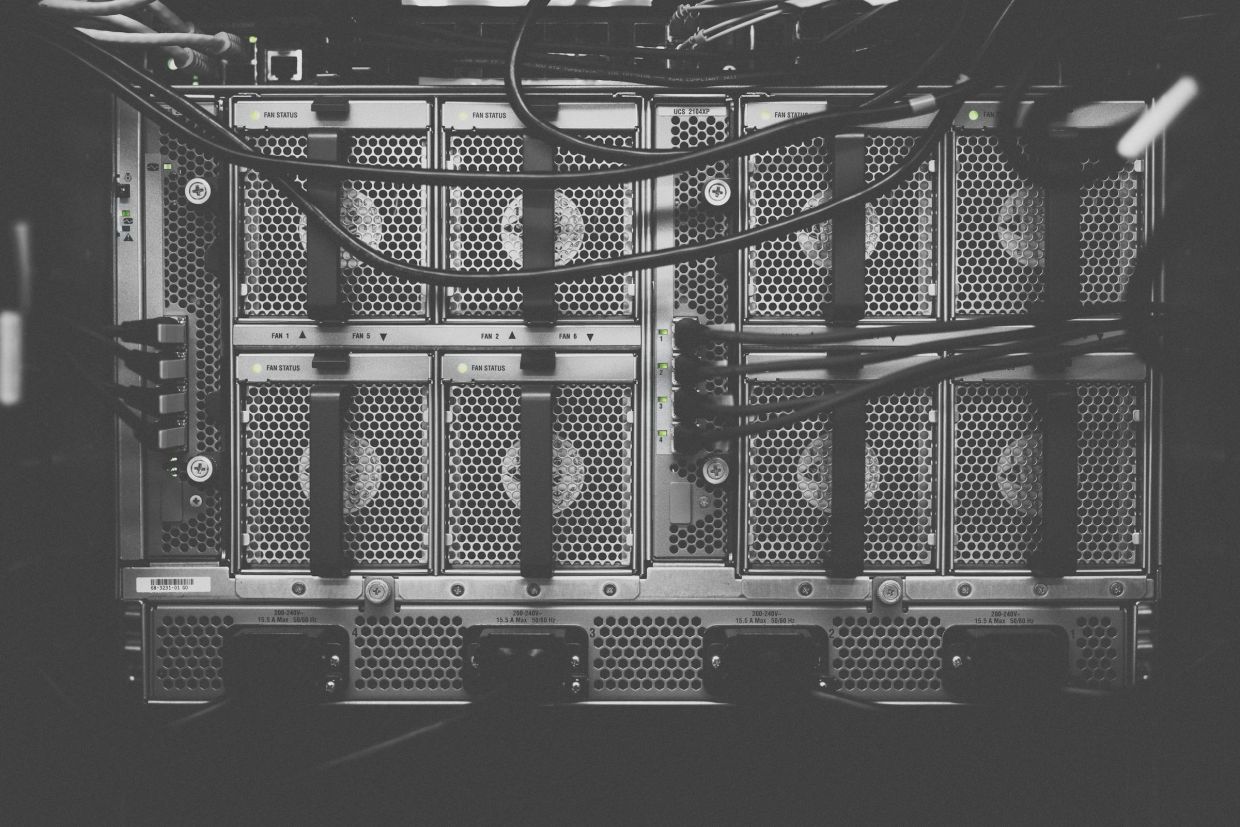
The primary source of noise pollution emanating from these facilities stems from the cooling systems necessary to prevent the enormous heat generated by billions of daily computing operations. Thousands of advanced processors generate tremendous thermal energy, requiring enormous industrial-scale fans and cooling infrastructure to maintain operating temperatures. Many facilities also rely on diesel-powered generators to supplement grid electricity, since the enormous power consumption of modern data centres frequently exceeds what existing electrical infrastructure can reliably supply. The combination of industrial fans whirring at high speed, cooling systems humming continuously, and diesel generators rumbling creates an acoustic environment that extends hundreds of feet and sometimes up to a mile from the facility's perimeter. Crucially, the rapid expansion driven by artificial intelligence demand has intensified this problem exponentially, requiring far more powerful cooling and power systems than traditional data centres needed.
What makes modern data centre noise particularly pernicious is that much of it exists below the threshold of normal human hearing—a phenomenon known as infrasound that manifests not as sound people consciously detect but as physical vibrations felt throughout the body. Scott Hamilton, an acoustics specialist and member of the Acoustical Society of America, explains that these ultralow-frequency sound waves function differently from conventional noise, creating pressure fluctuations that people experience in their bodies much like the deep bass vibration felt at concerts. Les Blomberg, executive director of the Noise Pollution Clearinghouse, emphasizes that the acoustic footprint of modern data centres represents a fundamentally different problem than noise sources regulators were trained to address. Traditional noise measurement tools and mitigation strategies prove inadequate for addressing infrasound, leaving residents exposed to an environmental hazard that existing measurement systems fail to capture fully.
The health consequences of chronic exposure to data centre noise and infrasound have become increasingly documented. Residents living near these facilities report widespread sleep deprivation and insomnia, persistent headaches, pressure sensations in the inner ear, and heightened anxiety levels. These health impacts accumulate silently and invisibly, affecting quality of life in ways that become apparent only after months of exposure. The psychological toll compounds the physical effects, as residents find themselves unable to escape the constant industrial hum in their own homes—the one place where people expect and deserve refuge from the demands of the external world. For many affected residents, the experience resembles living beneath a never-ending low-altitude flight path without the option to move away from their properties and communities.
The regulatory framework governing noise pollution proves almost entirely ineffective at addressing this crisis. Noise regulation in the United States operates exclusively at the local and municipal level through a patchwork of zoning ordinances written decades ago to address temporary nuisances such as loud parties, barking dogs, and construction activity. These regulatory frameworks never anticipated the challenge of managing constant, 24-hour industrial noise from facilities operating continuously and indefinitely. Making matters worse, the federal government abdicated responsibility for noise pollution regulation in the early 1980s when the Reagan administration defunded the Environmental Protection Agency's Office of Noise Abatement and Control. Richard Neitzel, a professor of environmental health sciences at the University of Michigan, observes that despite some federal noise regulations remaining technically on the books, the EPA lacks institutional capacity to enforce them. The ideological decision to treat noise regulation as regulatory overreach created a vacuum that no other agency has filled, leaving residents without meaningful federal protection against industrial noise pollution.
Three communities have begun fighting back through litigation, challenging data centre operators in federal court over noise impacts that local zoning codes ostensibly permit. In Vineland, New Jersey, homeowners filed suit against DataOne USA, which operates multiple server facilities at its campus and plans to expand dramatically to a 2.6 million-square-foot complex requiring 300 megawatts of power—enough electricity to serve a medium-sized city. One resident, Stefanie Bartiromo, described the noise from existing facilities as resembling a helicopter that hovers motionless or a heavy-duty truck running constantly, particularly noticeable during nighttime hours when background noise diminishes. The plaintiffs argue that while data centres technically comply with existing zoning regulations, the physical reality of constant mechanical noise has depreciated property values substantially and destroyed the quiet enjoyment that property owners should reasonably expect. Residents seek financial compensation for damages and mandatory improvements to sound mitigation measures.
DataOne USA maintains that it has already implemented noise-reduction measures and will continue upgrading its facilities as the expansion proceeds. The company framed its response in terms of economic contribution, emphasizing job creation and local economic stimulus—arguments echoed by data centre operators facing similar lawsuits in Dowagiac, Michigan, and Lowell, Massachusetts. In Dowagiac, residents had complained about a 30-megawatt data centre installed in a former recreational vehicle storage building that now operates continuously. These economic arguments carry significant weight in communities facing industrial decline and limited employment opportunities, creating tension between short-term economic benefits and long-term quality of life considerations. Data centre companies present themselves as responsible corporate citizens committed to dialogue and community partnership, yet residents argue that genuine partnership would not require litigation to address basic environmental quality concerns.
The broader implications of this conflict extend beyond individual communities to fundamental questions about how technological progress distributes its costs and benefits across society. The artificial intelligence revolution generates extraordinary economic value and transforms human capability, yet the physical infrastructure supporting these advances produces measurable harm for nearby residents who derive minimal direct benefit from the system. This pattern echoes historical patterns of environmental injustice where industrial facilities locate in or near working-class communities with limited political power to resist. Data centre operators argue that noise represents an unavoidable byproduct of the cooling infrastructure required for current technology, and that communities should accept this burden for the benefits of economic development and technological advancement. However, this framing obscures the reality that residents bear concentrated, continuous costs while economic benefits flow primarily to shareholders and distant consumers.
For Southeast Asian readers and policymakers, this emerging crisis offers important lessons as artificial intelligence infrastructure rapidly expands throughout the region. Malaysia, Singapore, Thailand, and Vietnam are all attractive locations for data centre development due to lower costs and abundant power availability. The lawsuits emerging in the United States should prompt regional governments to develop comprehensive noise pollution frameworks before data centre proliferation creates intractable problems. Unlike the United States, where federal regulatory capacity was deliberately dismantled, Southeast Asian nations have the opportunity to establish protective regulations from the outset rather than attempting to retrofit governance after communities have already suffered harm. Policymakers should require comprehensive noise impact assessments before approving data centre projects, mandate buffer zones between facilities and residential areas, and establish enforceable standards for noise mitigation technology.
The convergence of technological demands and environmental justice concerns suggests that current approaches prove inadequate. Data centre operators deploy increasingly sophisticated acoustic engineering to reduce noise, yet communities still report sleep disruption and health impacts from infrasound that remains below normal hearing thresholds. This suggests that technical solutions alone cannot address the fundamental incompatibility between 24-hour industrial facilities and residential proximity. More radical approaches—including restricting new data centre construction in areas with residential populations, requiring developers to provide compensation for affected residents, or mandating remote locations for new facilities—merit serious consideration. The alternative involves allowing technological progress to externalize environmental and health costs onto vulnerable populations without meaningful remedy or recourse, a pattern that becomes increasingly unsustainable as AI infrastructure expands globally. Communities deserve environments where they can sleep, work, and live without constant industrial noise degrading their physical health and mental wellbeing.

