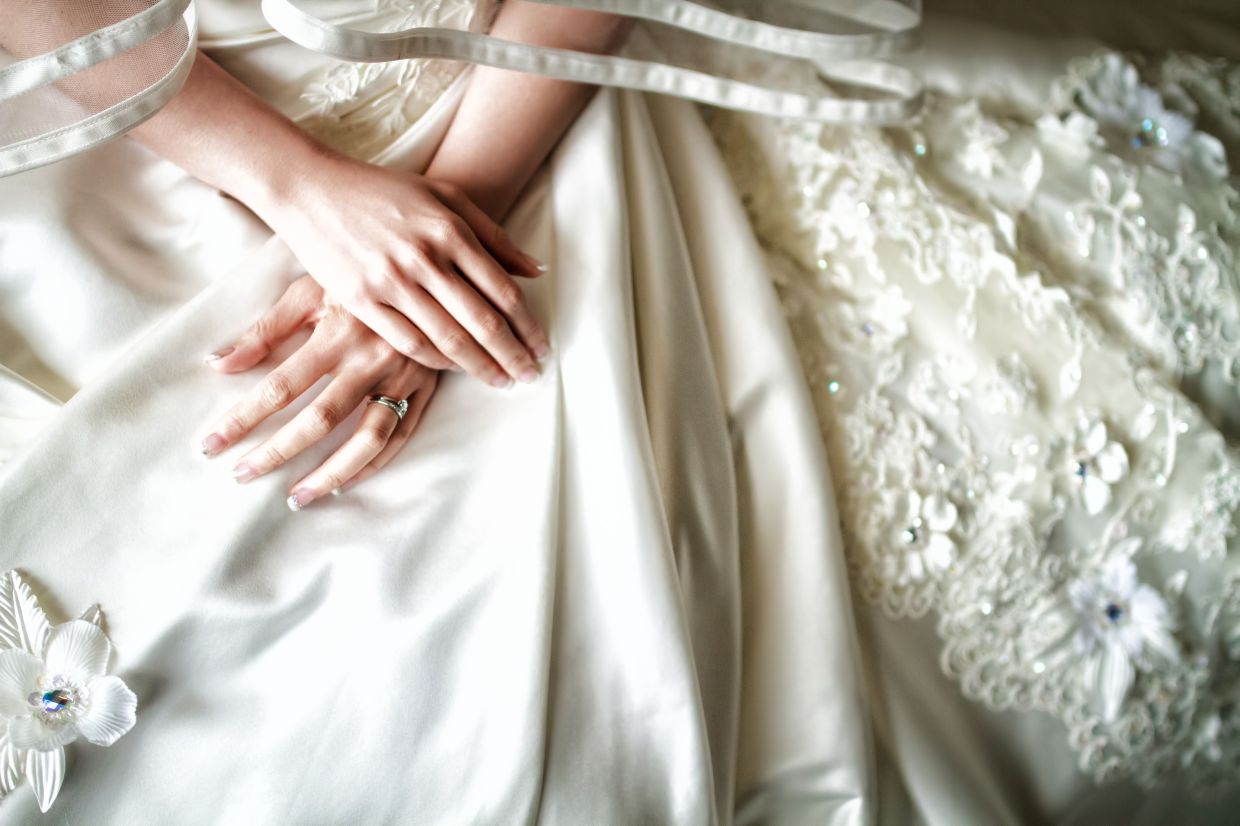
The decision to part with a wedding dress—especially one that has belonged to multiple generations—touches on something far deeper than fashion. These garments function as tangible connections to pivotal life moments, embodying not just the joy of a ceremony but also the aspirations, values, and historical context of the wearer and her era. For many people, discarding such an item feels akin to erasing a chapter of family history, which explains why so many find themselves caught between practical necessity and emotional attachment. The question is no longer simply what to do with a dress taking up space in the wardrobe, but how to honour its significance while creating room for new experiences and memories.
Clothing, particularly ceremonial garments, operates as a form of emotional archaeology. A wedding dress carries within its fibres the anticipation of a bride, the celebration of a community, and the passage of time itself. When that dress has been worn by a mother and then passed to a daughter, it accumulates additional layers of meaning—it becomes a conversation between generations, a physical manifestation of continuity and legacy. The difficulty in letting go stems from the recognition that clothes are not mere objects but vessels of experience. They anchor us to moments that have otherwise dissolved into memory, and throwing them away can feel like a betrayal of those moments and the people who lived through them.
Cameron Silver, a luxury brand consultant and founder of Decades, one of the earliest high-end vintage retailers, approaches the question of closet clearance with psychological sensitivity. He describes his work less as fashion consulting and more as a form of emotional counselling, where the primary goal is not persuasion but understanding. Rather than encouraging clients to hastily discard items, Silver advocates for reflection on the actual role an item plays in someone's current life. He recommends asking three crucial questions: Does it physically fit? Is there genuine likelihood of wearing it again? And perhaps most tellingly, how would it feel to lose this item permanently? The answers to these questions often reveal whether attachment stems from authentic connection or from guilt and obligation.
One transformative approach involves reimagining the dress entirely, converting it into a new garment that retains its original fabric and history. A wedding dress might become a christening gown, a keepsake pillow, a jacket, or decorative wall hanging. This strategy offers a compelling middle ground—the dress maintains its presence in daily or occasional use while embarking on a new chapter. However, transformation is not without cost. Taking a garment from its original purpose inevitably alters its identity, and something intangible may be lost in that translation. The dress becomes something else, which can feel liberating to some but like a diminishment to others.
Donation through specialized organizations presents another avenue that honours both practicality and sentiment. Brides Across America, for instance, provides wedding gowns to engaged military personnel and emergency medical workers who might otherwise lack the resources for such attire. This approach transforms a dress from a cherished family possession into a gift that enables someone else's life milestone. Emily Spivack, who works extensively with garment provenance and family textile stories, recommends documenting the dress's history before parting with it. Writing a note about the dress's origins and attaching it allows the next wearer to inherit not just the garment but its narrative, creating a expanded circle of connection across strangers.
Documentation itself can provide profound closure. Spivack conducts workshops where participants bring garments of family significance to be photographed, catalogued, and have their stories recorded in writing. Many people find that this process of intentional remembrance allows them to release the physical object with peace, knowing its history has been preserved in another form. The story can then circulate among remaining family members, ensuring that the dress's significance outlives the garment itself. This approach recognizes that memory and meaning need not be physically embodied; sometimes the narrative is sufficient.
Academic institutions have increasingly recognized the pedagogical value of ordinary clothing, including wedding dresses. Universities such as Smith College, Drexel University, and Ohio State University have begun deliberately collecting everyday garments specifically because of what they reveal about lived experience rather than artistic innovation. These academic fashion collections view clothes as historical documents that illuminate how people actually dressed and lived, particularly illuminating the lives of women across time. Cornell University's Fashion + Textile Collection, directed by Denise Green, holds nearly 350 wedding gowns and related accessories among its 11,000 objects, each telling stories about economic circumstances, design innovation, and cultural values.
Consider the 1942 wedding gown created by British dressmaker Cylka Berke for her own wartime London wedding. Designed to maximize fabric and minimize waste during material rationing, the dress embodies the practical ingenuity required of women during global conflict. The choice of rayon instead of silk—because silk was requisitioned for military parachutes, escape maps, and blood chits—reveals the intimate ways that war penetrated domestic life. The dress remains brilliantly white precisely because rayon could retain its colour when silk could not be spared. As an artifact, it communicates volumes about rationing, design innovation, and the persistence of ritual and celebration even amid strife. Few people recognize Cylka Berke's name, yet her dress speaks powerfully across decades.
Theatre departments and costume collections also welcome wedding dresses as teaching tools, understanding them as documents of social history and technical construction. When a dress enters an institutional collection, it gains preservation, public significance, and scholarly attention that individual storage cannot provide. The dress becomes available to future generations of students, researchers, and the public, extending its purpose far beyond personal or family use. This option allows a dress to transcend its original context and become part of a broader historical record, contributing to understanding how fashion, economics, and culture intersect.
The psychological tension between hoarding and heritage is real and valid. Storage space is finite, and maintaining garments requires climate control, acid-free materials, and periodic attention. At some point, keeping an item becomes more about guilt than genuine connection. Yet simultaneously, discarding without consideration feels like a casual erasure of something precious. The middle path involves honest assessment coupled with creative alternatives. Whether a dress is repurposed, donated, documented, or donated to an institution, the key is intentionality. The goal is not necessarily to keep the physical garment but to preserve what it represents—the story, the memory, the connection between past and present. In making a conscious choice about what to do with a treasured wedding dress, people engage in a small but significant act of meaning-making, deciding what matters enough to preserve and in what form that preservation should take.

