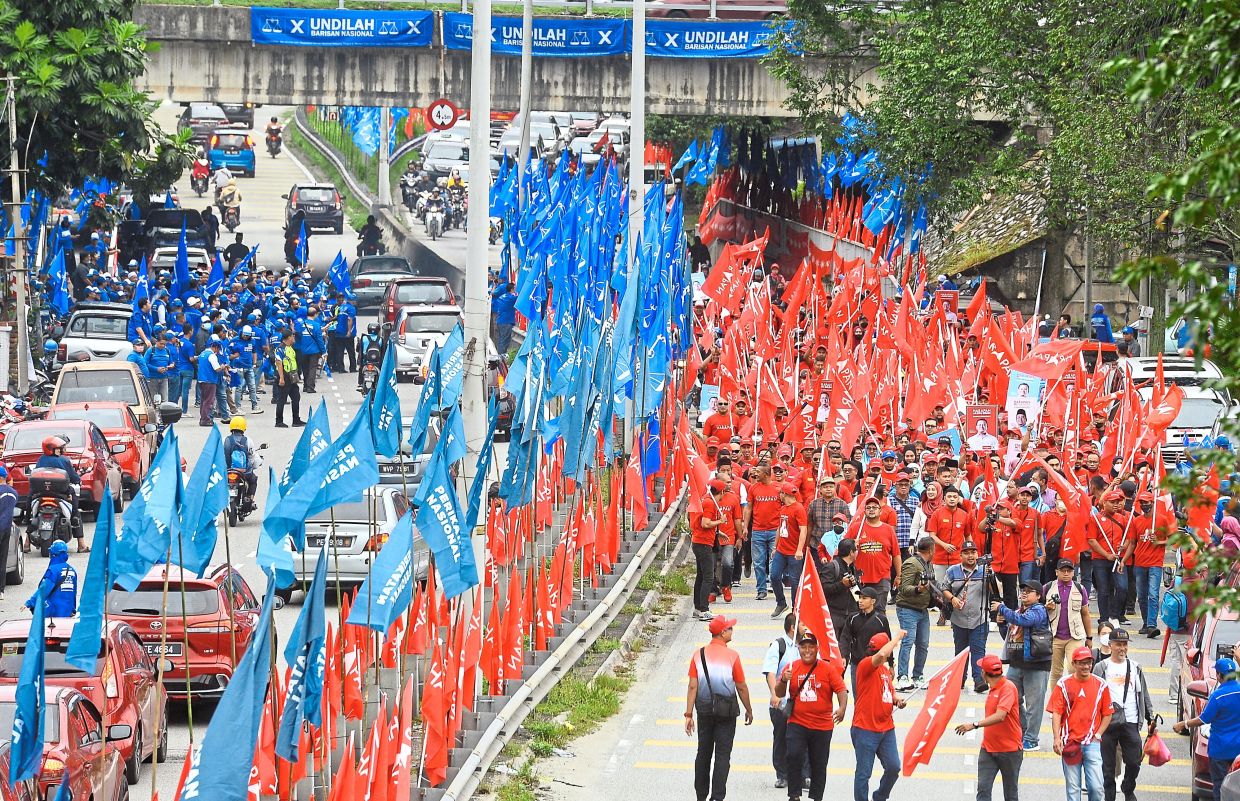
The emotional landscape shifts dramatically during election cycles, transforming how politicians behave and how citizens engage with public life. Malaysia's upcoming state elections in Johor and Negri Sembilan, combined with the prospect of general elections on the horizon, are already creating waves of anxiety across the political spectrum. For many local politicians, the uncertainty begins months before voting day—some have endured sleepless nights waiting to learn whether party leadership would grant them nomination to contest, a gatekeeping moment that determines political survival and career trajectories.
For those politicians fortunate enough to receive nomination, a different anxiety replaces the first. Incumbents and established leaders now confront the gnawing "what if" question: what if they lose? The psychological stakes extend beyond electoral defeat. Loss of office means loss of status, financial security tied to political position, and potentially irreversible damage to long-term political ambitions. For some candidates, particularly those representing marginal constituencies, the fear transcends mere professional setback—it threatens their sense of identity and standing within their communities. This emotional turbulence manifests physically through poor sleep, exhaustion, and heightened irritability that colleagues and family members observe throughout the campaign season.
Social media amplifies these psychological pressures substantially. Unverified rumours and deliberately inflammatory stories targeting candidates proliferate across platforms, each post adding another layer of psychological distress. The inability to control one's public image or counter false narratives compounds the sense of helplessness. Yet Malaysian politicians have historically demonstrated remarkable resilience, drawing energy from competition even when circumstances seem unfavourable, and this psychological toughness has become almost a defining characteristic of the political class during turbulent periods.
However, election anxiety extends well beyond the political establishment. Ordinary Malaysians experience mounting stress as election campaigns dominate media coverage, workplace conversations, and family discussions. Voters face genuine concerns about how electoral outcomes might affect their economic prospects, local governance, and the overall direction of society. This collective anxiety intensifies when multiple political parties with shifting alliances and complex strategies create genuine uncertainty about which coalition will govern. The resulting confusion compounds existing voter stress, forcing citizens to make political choices amid information overload and calculated political positioning.
When political identity becomes intertwined with personal identity, something psychological shifts. Political disagreements transform from policy debates into perceived personal attacks. Supporters of different parties increasingly view electoral competition as existential rather than procedural, fostering animosity that penetrates social relationships. Individuals worry intensely about their preferred party's prospects, experiencing genuine insecurity if unfavourable polling emerges or if opponents gain momentum. This heightened emotional investment means that campaign-season negativity, amplified through news cycles and algorithmic social media feeds, creates cumulative stress and resentment that spills into homes, workplaces, and friendships.
A distinctive feature of Malaysian electoral culture is the remarkable emotional reset that occurs after voting concludes. Political rivals exchange smiles, bitterness evaporates, and defeated candidates often congratulate victors graciously. This transition from campaign acrimony to post-election civility is almost unique internationally, suggesting Malaysia has developed social mechanisms for compartmentalising political competition. Nevertheless, the pre-election period remains psychologically demanding.
The physiological consequences of election anxiety merit serious attention. When stress hormones activate the body's autonomic nervous system, adrenaline and cortisol flood the bloodstream. Elevated adrenaline increases cardiovascular strain and raises heart attack and stroke risk, particularly among those with existing health vulnerabilities. Sustained cortisol elevation produces cascading effects: blood sugar dysregulation, compromised immune function, and vascular constriction that reduces overall circulation. Beyond these systemic effects, chronic election-related stress impacts the amygdala, the almond-shaped brain structures controlling emotional processing, memory, and decision-making. During intense political campaigns, these structures can trigger disproportionate emotional responses to relatively minor stimuli.
International research on election anxiety provides context for understanding Malaysian experiences. During the 2019 British general elections, the British Association for Counselling and Psychotherapy documented that one in three people reported measurable negative mental health impacts from electoral uncertainty. American research conducted ahead of the 2024 presidential elections found that 56 percent of adults identified elections as a "significant stressor." These findings suggest that election anxiety represents a global phenomenon rather than a culturally specific Malaysian concern, though the psychological intensity may vary based on political polarisation levels.
Malaysia currently lacks comprehensive research on election-induced mental health effects, creating a gap in understanding how local political dynamics specifically impact psychological well-being. Variables including Malaysia's multiparty system with fluid coalitions, the salience of ethnoreligious identity politics, and the relatively compressed campaign seasons may produce distinctive anxiety patterns. The current political context—featuring unprecedented party fragmentation and uncertain coalition mathematics—likely intensifies voter stress compared to earlier periods when political outcomes seemed more predictable.
Individual personality traits and prior political experiences substantially shape how people respond to election stress. Some voters approach elections with genuine enthusiasm and civic engagement, their anxiety manifesting as conscientious deliberation rather than distress. Others experience paralyzing uncertainty. The psychological experience depends partly on whether individuals view electoral participation as an opportunity to influence outcomes or as an unsettling situation requiring resignation to uncontrollable forces.
Most registered voters do eventually cast ballots motivated by combinations of gratitude toward incumbent governments, civic duty, and carefully considered policy preferences. Yet the journey toward that voting decision increasingly involves emotional labour—wrestling with competing ideologies, evaluating complex political positions, and navigating persistent campaign messaging. The emotional investment in that final decision reflects the genuine stakes voters perceive in electoral outcomes.

