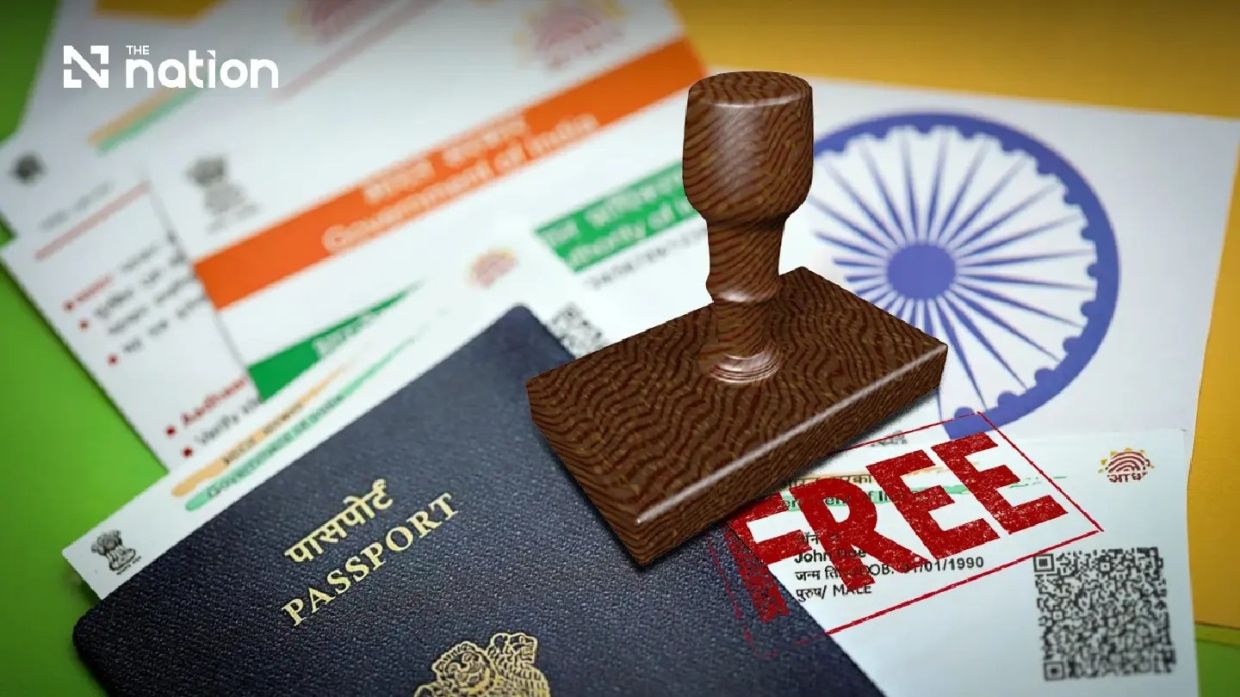
Thailand's Tourism and Sports Minister Surasak Phancharoenworakul has backed a 30-day visa-free entitlement for Indian tourists, emphasising its importance for wedding groups and celebratory gatherings that require extended preparation periods. The policy represents a significant shift in the kingdom's approach to one of Asia's fastest-growing tourism markets, reflecting Bangkok's determination to capture a larger share of Indian leisure travellers competing fiercely across Southeast Asia.
The minister had advocated strongly for the 30-day window after officials initially considered limiting visa-free stays to 15 days. That shorter timeframe would have proven inadequate for the substantial segment of affluent Indian families and groups who travel to Thailand specifically for destination weddings and cultural events spanning several weeks. By extending the visa exemption to a full month, Thailand places Indian visitors on equal footing with travellers from other major markets, a parity that ministry officials believe will strengthen confidence in Thailand as a wedding and celebration destination whilst encouraging higher discretionary spending throughout longer stays.
The Tourism Authority of Thailand projects ambitious growth in Indian arrivals, forecasting 2.55 million visitors in 2026 and a record 2.7 million in 2027, representing a 5.8 percent increase. India has already established itself as Thailand's third-largest source market, delivering approximately 1.3 million arrivals by mid-July 2026. The trajectory reflects momentum from 2025, when Thailand welcomed 2.48 million Indian tourists, a surge of 16.82 percent from the previous year, generating 90.425 billion baht in tourism revenue. This consistent growth demonstrates India's rising importance to Thailand's tourism economy and the effectiveness of targeted marketing strategies.
Visa accessibility has emerged as a critical competitive factor influencing Indian travellers' destination decisions. Concern rippled through Thailand's tourism sector when the government moved to withdraw a temporary 60-day visa-exemption programme covering 93 countries and territories, raising fears that Indian passport holders might revert to the Visa on Arrival category, adding procedural friction to their journeys and weakening Thailand's competitive position. The Cabinet's July 14 decision to include India among 59 countries receiving 30-day visa-free access resolved those concerns, consolidating India within a single entry category rather than fragmenting it across multiple visa pathways. This streamlined approach serves both tourism promotion and the government's broader objective of balancing economic interests with enhanced immigration screening whilst eliminating overlapping administrative categories.
The 30-day entitlement aligns with actual travel patterns amongst Indian visitors, who spend an average of 7.17 days per trip, with substantial portions of the market planning stays between seven and 15 days. Officials concluded that a 30-day window accommodates standard tourism itineraries whilst providing sufficient flexibility for extended family trips and group celebrations. All arriving visitors, including Indian nationals, must complete a Thailand Digital Arrival Card within three days of their scheduled entry, a requirement manageable within typical pre-trip preparation timelines. This administrative framework balances tourism facilitation with border control objectives, maintaining screening procedures without creating deterrent obstacles.
Indian tourism carries particular strategic weight for Thailand's evolution towards higher-value travel experiences. Free independent travellers comprise 68.63 percent of the Indian market, whilst organised tour groups account for 31.37 percent, indicating a substantial base of self-directed visitors seeking authentic engagement with Thai culture and lifestyle. Approximately 59.68 percent represent first-time visitors, suggesting significant conversion potential for repeat business. The spending profile proves impressive, with average daily expenditure reaching 6,203 baht per person, or approximately 36,354 baht per trip. This financial contribution reflects India's middle and upper-middle-class expansion, a demographic trend that promises sustained tourism growth. Thai cuisine ranks as the primary attraction, followed by beaches and wellness experiences, pointing to market preferences that align well with Thailand's existing strengths and premium positioning.
Regional competition intensifies as Vietnam leverages competitive pricing and incentives, Malaysia aggressively promotes visa-free access, and Singapore cultivates family market segments. Thailand must differentiate itself through deliberate positioning and strategic air connectivity expansion. The market demonstrates strong demand from multigenerational family groups and larger celebrations, requiring Thai operators to develop experience packages addressing these specific travel motivations. The emphasis on wellness, cultural immersion, and local lifestyle engagement reflects shifting preferences amongst younger Indian travellers who seek deeper destination engagement beyond conventional sightseeing and photography.
Air connectivity underpins Thailand's capacity to convert policy advantages into sustained visitor flows. Nine direct routes from Indian cities reach Bangkok, Krabi and Phuket through the New Delhi Tourism Authority office's coverage area, delivering 144 weekly flights and over 32,000 seats. The Mumbai office's jurisdiction supports approximately 160 weekly flights offering roughly 33,000 seats. Combined weekly capacity reaches approximately 66,000 seats across Thailand-India routes. Some carriers temporarily suspended services due to Middle East regional instability and elevated fuel costs, though the Tourism Authority expects restoration during peak season. Indian airlines are expanding service from Tier 2 and Tier 3 cities, whilst suspended carriers prepare capacity recovery, suggesting the infrastructure for growth remains robust.
The Tourism Authority's promotional strategy extends beyond traditional metropolitan centres like New Delhi, Kolkata and Mumbai into fast-growing secondary cities including Lucknow, Chandigarh, Guwahati, Ahmedabad, Surat and Pune. Surat's diamond industry concentration provides access to particularly affluent consumer segments, whilst Pune's automotive and industrial sectors connect with higher-income professional travellers increasingly seeking international leisure experiences. This geographic diversification acknowledges that India's tourism growth increasingly emanates from beyond major metros, particularly from cities experiencing rapid economic development. The strategy encompasses neighbouring markets including Bhutan, Nepal and Bangladesh, extending Thailand's promotional reach into underserved South Asian markets with growing outbound tourism capacity.
Thailand's marketing emphasises distinctive advantages across food, culture, local lifestyles, wellness and community-based tourism, positioning differentiation against competing Southeast Asian destinations. This thematic approach responds to evolving Indian traveller preferences, particularly amongst younger demographics who increasingly value experiential authenticity and cultural engagement over passive sightseeing. The convergence of accessible visa policy, competitive air capacity, targeted geographic promotion in high-growth cities, and experience-led marketing positioning creates a comprehensive strategy addressing both structural barriers and evolving consumer preferences. For Malaysian regional observers, Thailand's approach demonstrates how visa policy operates as a tourism lever within sophisticated market development frameworks, a lesson potentially applicable to Malaysia's own positioning amongst expanding South Asian outbound travel markets.

