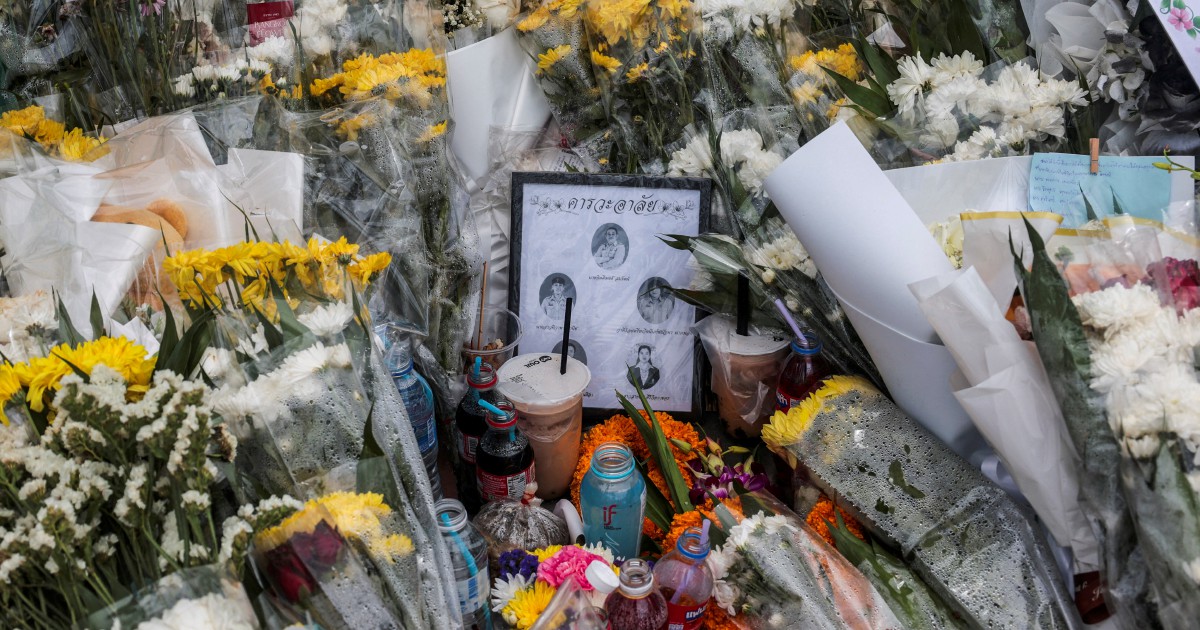
Thailand's government moved to tighten controls over civilian gun ownership this week, with Prime Minister announcing a comprehensive suspension of firearms licensing in the immediate aftermath of a devastating school shooting incident. The dramatic policy shift came as the teenager responsible for the violence, along with two elderly relatives he had killed, underwent cremation ceremonies in the northern province of Nonthaburi.
The decision to freeze new firearms permits represents one of the most significant regulatory responses by Bangkok to a mass shooting event in recent memory. Thai authorities have long grappled with the challenge of balancing citizens' customary access to firearms in rural and semi-rural areas with public safety imperatives. The suspension signals a hardening of the government's stance following sustained public pressure and international scrutiny.
The shooter, whose identity has been protected due to his age, carried out the attack at an educational institution that claimed the lives of multiple victims. The scale and nature of the incident shocked Thai society and prompted immediate calls for stricter gun control measures across the country. Subsequent investigations revealed details about how the teenager obtained access to firearms, raising uncomfortable questions about gaps in Thailand's licensing and background-check systems.
The cremation of the assailant and his two grandparents took place in solemn ceremonies that underscored the human toll of the tragedy. In Thai Buddhist tradition, cremation is conducted with ritual significance, and the simultaneous cremation of family members involved in such a traumatic incident created poignant scenes attended by relatives and community members. The family dimension of the deaths—with the boy having also fatally harmed his own grandparents—added profound sadness to an already devastating situation.
Thailand's firearms landscape presents unique challenges compared to Western contexts. A substantial civilian gun population exists throughout the kingdom, particularly in rural regions where hunting and self-defence considerations carry cultural weight. However, Thailand maintains relatively strict licensing frameworks and criminal penalties for unauthorised weapons possession. The licensing suspension now under implementation will prevent new applicants from obtaining permits during an unspecified period, though the precise duration remains unclear.
Examining the school shooting reveals systemic vulnerabilities in how Thailand vets gun ownership applicants and monitors existing licence holders. Security experts have highlighted the need for enhanced psychological evaluations, stricter storage requirements, and more robust oversight mechanisms. The incident has reignited debate about whether current regulations adequately prevent access by individuals with warning signs of violent behaviour or mental health crises.
For neighbouring Southeast Asian nations, Thailand's response carries regional significance. Countries across the Association of Southeast Asian Nations maintain varying approaches to civilian firearms, and Bangkok's hardline stance may influence policy discussions elsewhere in the region. Malaysia, with its own stringent licensing system, may find Thailand's latest measures relevant to ongoing conversations about balancing security and public access to guns.
The prime minister's announcement was accompanied by promises to conduct a comprehensive review of existing firearms licensing procedures. Government officials indicated that a working group would examine application processes, background investigation standards, and ongoing compliance monitoring. The review seeks to identify how the teenager in question accessed weapons and whether systemic failures permitted the tragedy to occur.
Beyond regulatory changes, Thai authorities have also committed to enhanced mental health services and school safety protocols. The tragedy has prompted discussions about identifying and supporting at-risk youth, recognising that firearms regulation alone cannot address underlying social and psychological factors that contribute to mass violence. Educational institutions nationwide have been advised to strengthen security measures and implement more comprehensive wellness programmes.
International observers have noted that Thailand's response compares favourably with some other nations' hesitant approaches to post-shooting policy reform. The swift suspension of firearms licensing demonstrates political will to implement concrete measures, though many analysts question whether a licensing freeze addresses root causes or merely restricts future civilian gun ownership without guaranteeing prevention of further incidents.
The suspension also reflects broader global trends in firearm policy following mass casualty events. Countries from Australia to New Zealand have implemented licensing restrictions or bans, often with measurable decreases in firearm homicides over subsequent years. Thailand's adoption of similar measures suggests recognition of international evidence regarding licensing controls' effectiveness.
Moving forward, stakeholder groups including gun owners' associations, victim advocacy organisations, mental health professionals, and educational administrators will likely shape implementation of any permanent licensing reforms. The coming months will determine whether the suspension becomes temporary or transitions into fundamental restructuring of Thailand's entire firearms licensing regime, potentially serving as a model for broader Southeast Asian policy development.

