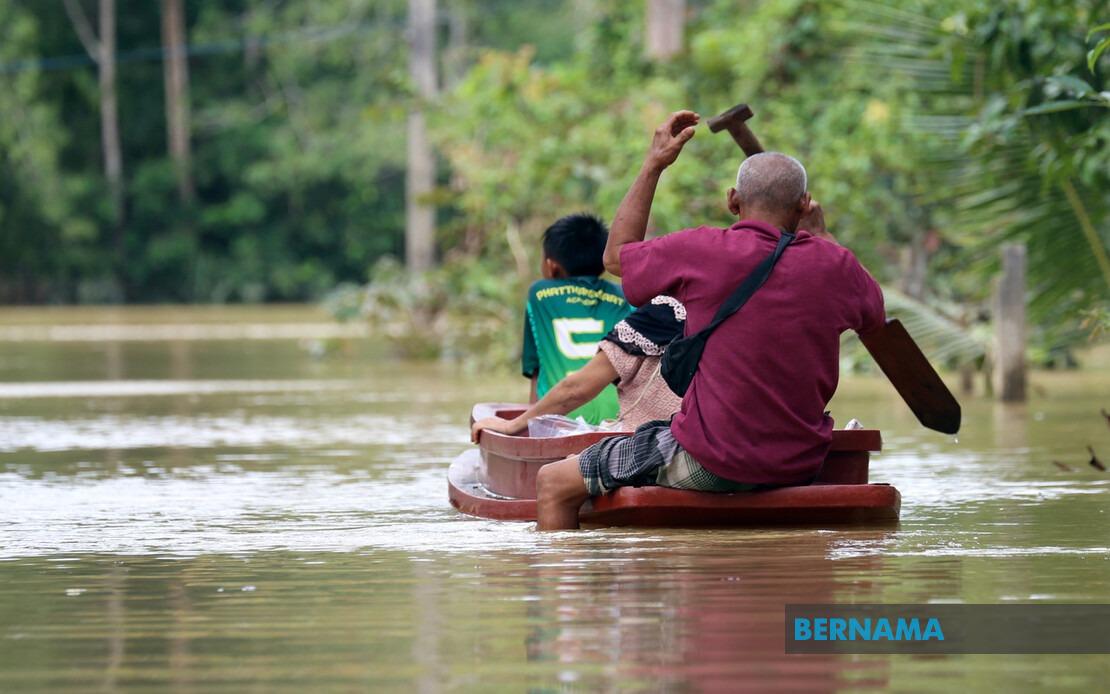
Thailand's government has moved to strengthen its crisis management infrastructure in response to escalating climate-related hazards that threaten the kingdom's rainy season. The initiative, unveiled in early August, represents a significant recalibration of how the Southeast Asian nation coordinates emergency response across its provinces. With 1,363 locations identified as susceptible to flooding and 444 areas facing drought vulnerability, officials have recognized the need for a more robust institutional framework capable of managing simultaneous disasters in different regions.
At the core of this reform lies the establishment of four regional committees tasked with overseeing disaster prevention and recovery operations across Thailand's geography. Rather than relying on ad-hoc responses to individual crises, the new structure creates permanent coordination bodies that sit in constant readiness. Deputy government spokeswoman Capt Patdarasm Thongsaluaykorn explained that the system prioritizes rapid decision-making by allowing regional authorities greater autonomy while maintaining central oversight. This decentralization reflects lessons learned from past disasters when bureaucratic delays hampered aid distribution to stricken communities.
The structural reorganization grants these committees substantial operational authority. Each committee possesses the power to direct government agencies operating within its jurisdiction, assess emerging conditions on the ground, and communicate verified information to residents and media outlets. This breadth of authority is intended to eliminate communication silos and reduce the time required to mobilize resources when disasters strike. The committees will also shoulder responsibility for monitoring meteorological trends and water levels, enabling predictive rather than purely reactive disaster management.
Depending on government sources, the committees assume four overlapping responsibilities that collectively address the full disaster lifecycle. Their primary function involves tracking atmospheric and hydrological conditions to anticipate problems before they materialize. Once dangers emerge, they coordinate the activation of emergency procedures and direct personnel to affected zones. When communities sustain damage, the committees oversee both immediate relief distribution and longer-term compensation mechanisms. Finally, they guide the reconstruction and rehabilitation efforts that allow regions to recover and rebuild infrastructure.
The northern regional committee, chaired by Deputy Prime Minister Yodchanan Wongsawat, who simultaneously holds portfolios for higher education, scientific research, and innovation, convened for its inaugural session at the Department of Disaster Prevention and Mitigation. This leadership appointment signals that the government views disaster preparedness not as a peripheral administrative function but as integral to national development strategy. The integration of climate resilience with innovation and research portfolios suggests policymakers recognize that long-term solutions require technological adaptation and scientific expertise.
Immediate meteorological forecasts underscore the urgency of these preparations. Thailand's weather service has issued warnings of substantial rainfall across the northern, northeastern, and eastern provinces, with particular concern about flash flooding triggered by sudden downpours. Maritime authorities extended precautionary advisories, directing small vessels to remain in port waters throughout the upper Andaman Sea until early September and similar restrictions in the upper Gulf of Thailand. These maritime warnings protect fishing communities and commercial shipping while signaling to the broader population the severity of anticipated weather systems.
Yet the flooding threat, while immediate, represents only one dimension of Thailand's climate challenge. Meteorological agencies are simultaneously tracking long-range climate patterns that portend drier conditions extending into 2027. A Super El Niño phenomenon anticipated to commence in October could suppress rainfall by at least 10 percent throughout the region during the approaching dry season and early monsoon period. For an agriculture-dependent economy like Thailand, such precipitation reductions translate directly into crop failures and diminished rice yields, threatening both food security and export revenues.
The convergence of flood and drought risks creates a particularly vexing policy challenge. Thailand must simultaneously prepare for torrential rainfall in coming weeks while bracing for sustained water scarcity throughout subsequent months. This compressed timeframe for preparing against opposite extremes strains resources and demands sophisticated resource allocation. Water management infrastructure must be optimized to capture excess moisture during floods while preserving adequate reserves for drought periods, a balancing act complicated by aging irrigation systems and competing demands from agriculture, urban consumption, and industrial sectors.
For regional observers, Thailand's enhanced disaster preparedness offers both a case study and cautionary tale. The kingdom's vulnerability reflects broader Southeast Asian exposure to climate volatility, particularly for nations dependent on monsoonal precipitation patterns. Malaysia, sharing similar geographic and hydrological characteristics, confronts comparable challenges regarding monsoon flooding and dry-season water deficits. The Thai government's institutional innovation—creating permanent, empowered regional coordination mechanisms—suggests a model that other regional governments might adapt to their own circumstances.
The economic implications extend beyond agriculture into tourism, manufacturing, and financial services. Severe flooding disrupts supply chains and damages infrastructure, while droughts compromise hydroelectric generation that powers industrial operations. Multinationals operating across Southeast Asia must account for these climate-induced disruptions in their production planning and risk assessments. Thailand's more systematic approach to disaster management may enhance investor confidence by demonstrating governmental commitment to minimizing climate-related business interruptions.
The government's framing of disaster response in terms of protecting lives, property, and livelihoods reflects a comprehensive understanding of climate impacts extending beyond immediate casualties. Economic losses from floods and droughts often exceed direct damage assessments, as displaced populations lose income sources and businesses incur secondary costs from operational disruptions. By emphasizing unified coordination and rapid assistance delivery, Thai authorities hope to truncate the economic damage window and accelerate recovery trajectories.
Looking forward, the success of Thailand's reformed disaster management system will hinge on implementation fidelity and resource adequacy. Establishing committees on paper differs substantially from ensuring their operational effectiveness during actual crises. The real test arrives during the impending monsoon season when heavy rains and potential flooding will reveal whether the new institutional arrangements translate into faster warning dissemination, more efficient evacuation procedures, and more equitable relief distribution compared to previous disasters.

