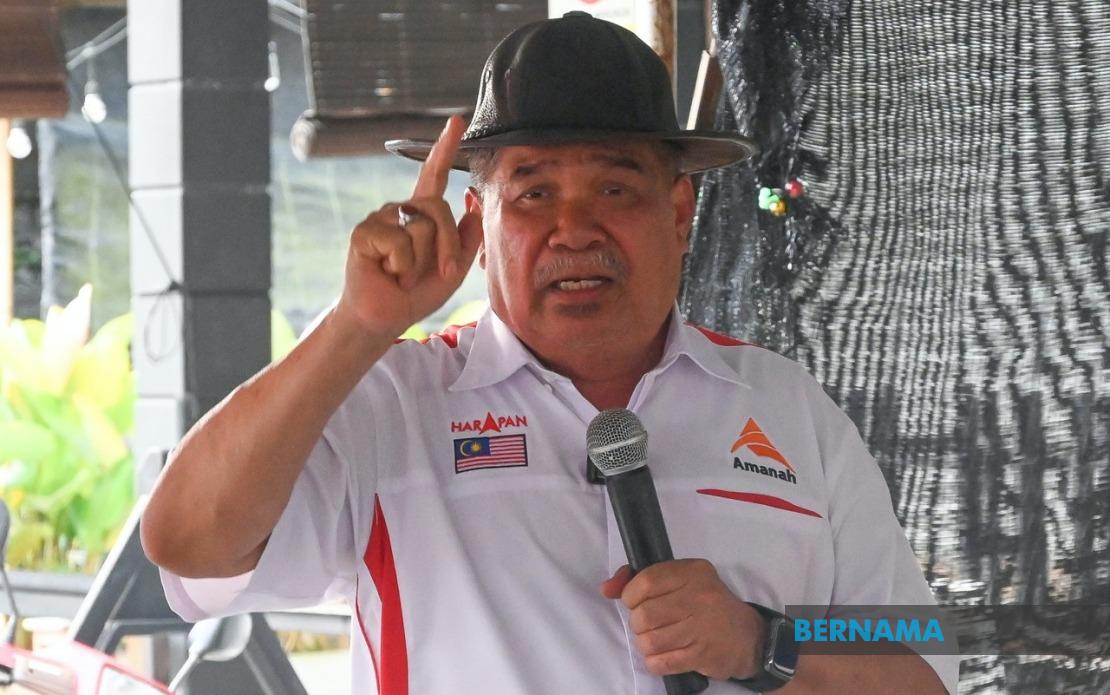
The Malaysian government is moving toward resolving a contentious trade dispute with Thailand over shrimp imports, with Agriculture and Food Security Minister Datuk Seri Mohamad Sabu signalling that negotiations have reached their closing phase. Speaking at an event in Kota Bharu, the minister indicated that a breakthrough could materialise within weeks, underscoring Kuala Lumpur's commitment to finding common ground with its neighbouring trading partner on a matter that has created friction in bilateral commerce since June.
The standoff centres on five commercially significant shrimp species that Malaysia prohibited from entering its market effective June 1. The affected varieties—Penaeus esculentus (brown tiger shrimp), Fenneropenaeus merguiensis (banana shrimp), Penaeus vannamei (white shrimp), Penaeus monodon (tiger shrimp), and Penaeus stylirostris (blue shrimp)—represent substantial volumes in Thai aquaculture exports. Malaysia's decision to suspend imports reflected intensified scrutiny of fishery products, part of a broader regulatory tightening aimed at ensuring food safety and biosecurity standards across the nation's supply chains.
For Malaysian consumers and businesses reliant on shrimp imports, the suspension has created supply chain complications and potentially inflated prices. Thailand ranks among the world's largest shrimp producers and historically has been a critical source for Malaysian seafood processors and retailers. The temporary import freeze, while framed as a precautionary measure, has underscored tensions within Southeast Asia's integrated food trade network, where regulatory decisions by one country can ripple across borders and disrupt established commercial relationships.
Modhamad Sabu's optimism about reaching a resolution by mid-August suggests that technical discussions between agricultural authorities on both sides have identified feasible compromises. The timeframe indicates that negotiators are not facing fundamental disagreements but rather need to align on specific certification requirements, inspection protocols, or phytosanitary standards. Such negotiations typically involve Malaysian officials from the Department of Veterinary Services and their Thai counterparts, who work to establish mutually acceptable verification mechanisms that protect local consumers without unnecessarily restricting legitimate trade.
The broader context for these discussions involves Malaysia's strategic pivot toward strengthening food security amid global supply volatility. The minister emphasised during his Kota Bharu remarks that food security has become a paramount concern for nations worldwide, and Malaysia's particular vulnerability stems from its reliance on agricultural imports for a substantial portion of its dietary needs. This dependency creates a delicate balancing act: the government must implement rigorous safety controls whilst maintaining trade relationships that supply its population with affordable protein sources, including shrimp products that form a staple in Malaysian cuisine.
Beyond the immediate shrimp dispute, Mohamad Sabu's statement reflected the ministry's larger vision for modernising Malaysia's agricultural sector. He outlined plans for MAHA 2026, the nation's flagship agricultural exhibition scheduled for August 28 to September 6, which aims to position Malaysia as a hub for innovation in food production. The event will attract participants from Africa, Central Asia, China, Britain, Japan, and the United States—a geographical breadth reflecting global interest in how emerging technologies can enhance agricultural productivity and resilience.
The MAHA 2026 exhibition carries significant economic ambitions. Organisers are targeting four million visitors, RM58 million in direct sales, and RM8 billion in potential investments across the agricultural and agribusiness sectors. These projections suggest that policymakers view the event as a catalyst for accelerating technology adoption and fostering international partnerships that could help Malaysia reduce its food import dependency over the medium term. The inclusion of National Day celebrations during the exhibition period is expected to amplify attendance, drawing patriotic interest alongside commercial participation.
The Road to MAHA 2026 campaign, culminating in Kota Bharu, has taken the ministry's message across Malaysia's regions, with prior events held in Kedah, Selangor, Melaka, and Labuan. This grassroots approach aims to build awareness and engagement among local agricultural communities, extension officers, and farmers about the forthcoming exhibition and the broader modernisation agenda. Regional engagement is crucial for ensuring that technological innovations and international collaborations reach beyond Klang Valley-based agribusinesses and benefit smallholder farmers across the country.
Food security concerns have intensified across Southeast Asia and globally as climate change, geopolitical tensions, and pandemic-related disruptions have exposed vulnerabilities in international supply chains. Malaysia, as a net food importer heavily dependent on regional suppliers including Thailand, Vietnam, and Indonesia, remains acutely conscious of these risks. The shrimp import negotiations must therefore be understood not merely as a bilateral trade matter but as part of Malaysia's broader effort to establish more resilient, diversified, and secure sources of critical food items.
The resolution of the Thai shrimp dispute would demonstrate that Malaysia and Thailand can navigate trade friction through negotiated compromise rather than prolonged confrontation. Given the countries' deep economic integration—spanning beyond agriculture into manufacturing, services, and tourism—maintaining stable agricultural trade is essential for regional stability. A successful outcome could also set a precedent for addressing similar fishery product disputes that may arise as regulatory standards tighten across Southeast Asia.
As negotiations advance toward their conclusion, stakeholders in Malaysia's fishing industry, food processors, and retailers will be monitoring developments closely. The mid-August target date means that clarity should emerge well before MAHA 2026, allowing importers to plan inventory and pricing strategies. More broadly, resolution of this dispute would reassure Thai exporters and Southeast Asian trading partners that Malaysia remains open to commerce whilst upholding legitimate health and safety standards—a balance essential for sustaining the region's agricultural trade ecosystem.

