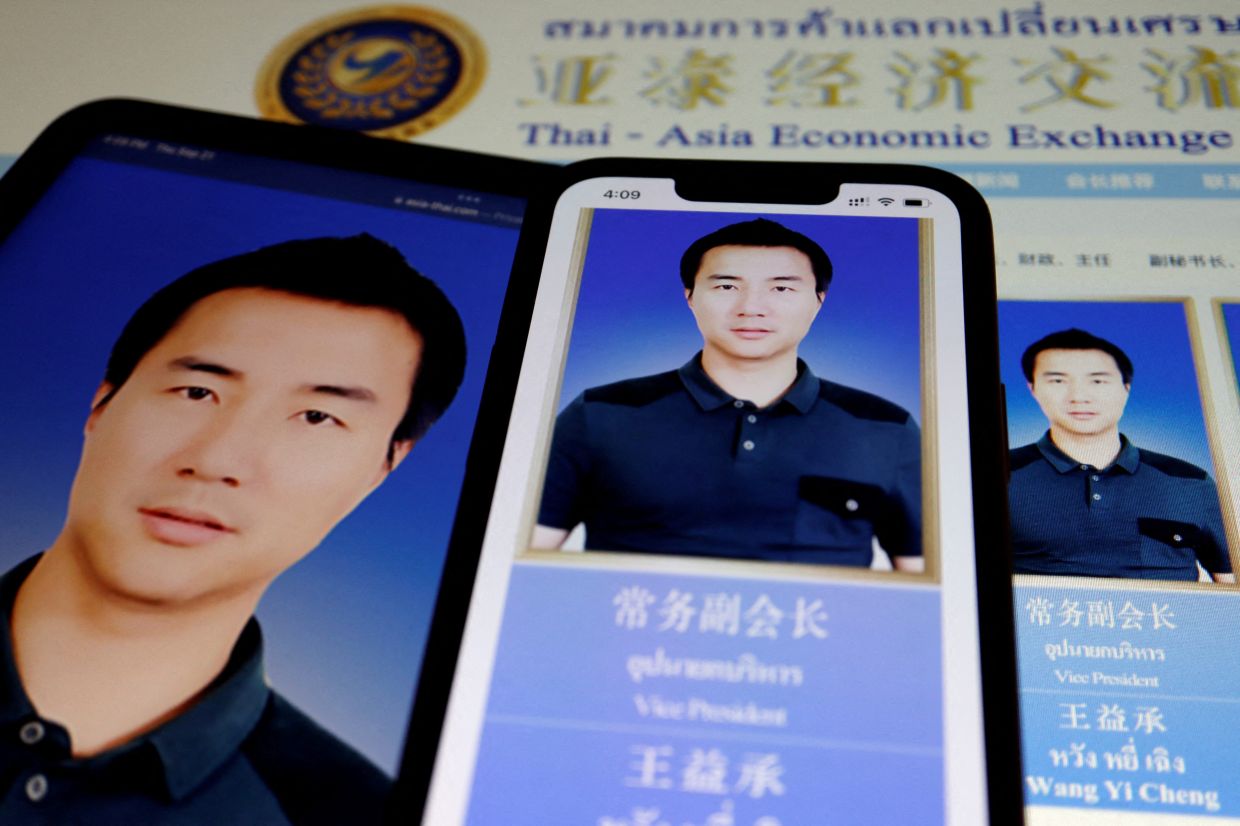
Thailand's Department of Special Investigation has launched a manhunt for Wang Yicheng, a Chinese businessman accused of orchestrating a transnational money-laundering operation centred on illegal cryptocurrency mining. The arrest warrant, issued in November but made public this week, represents Bangkok's intensifying effort to dismantle criminal networks that have transformed parts of Southeast Asia into hubs for large-scale fraud targeting victims worldwide. Wang, a former leader of the Thai-Asia Economic Exchange Trade Association, allegedly spearheaded a scheme that channelled billions of dollars in illicit proceeds through cryptocurrency operations, a method that criminal organisations across the region have increasingly adopted to obscure the origins of their ill-gotten gains.
The investigation reveals the depth of Wang's alleged involvement in what authorities describe as a sophisticated fraud ecosystem. Between 2021 and 2022, a cryptocurrency wallet registered in his name received at least US$9.1 million from accounts that blockchain analysis firms linked to so-called "pig-butchering" scams—elaborate confidence schemes in which online fraudsters develop romantic relationships with victims before manipulating them into investing in fake cryptocurrency platforms. One documented case involved a 71-year-old California resident who surrendered his entire life savings of US$2.7 million after being deceived by someone posing as a young woman. The scale of these operations, which collectively generate billions annually according to United Nations assessments, underscores how criminal syndicates have weaponised digital finance to conduct what amounts to industrial-scale fraud.
Wang's connection to Thailand's political and law enforcement establishment adds a troubling dimension to the case. While serving as vice president of the Thai-Asia Economic Exchange Trade Association, an organisation designed to promote bilateral business ties, he cultivated relationships with senior Thai police officials and government figures. These connections appear to have provided operational cover for his activities, allowing the network to function with apparent impunity for several years. Following the 2023 Reuters investigation that first exposed his involvement, the trade association claimed that Wang had been removed from its board and that background checks had revealed no criminal history. However, the organisation's subsequent assertion that senior Thai officials were merely "advisers and friends" rather than active participants has done little to dispel concerns about institutional compromise.
The scale of the illegal mining operation uncovered by Thai authorities demonstrates the industrial nature of this criminal enterprise. Investigators found that Wang's network unlawfully consumed approximately US$28 million worth of electricity—placing it among the largest such cases prosecuted in recent years. This massive power consumption, typically hidden through infiltration of industrial complexes or manipulation of utility systems, serves a critical function: converting laundered money into cryptocurrency while simultaneously generating the processing power necessary to mine digital assets. By embedding these operations within legitimate industrial zones or remote compounds, criminal organisations effectively create parallel financial systems that operate beyond conventional banking oversight.
The United States has independently identified Wang as a suspect in digital-asset fraud investigations, with American law enforcement seizing approximately US$500,000 in cryptocurrency from an account in his name in June 2023. These funds were traced to theft from a Massachusetts victim, indicating that Wang's criminal footprint extends across borders and that his network has victimised individuals across multiple continents. The collaborative investigation between Thai and American authorities suggests an emerging international consensus that cryptocurrency-enabled transnational crime requires coordinated enforcement responses. Thai authorities confirmed they are working with international partners to locate and apprehend Wang, who is believed to have fled Thailand.
The broader context of regional organised crime adds urgency to this case. Southeast Asia has become a concentrated zone for Chinese-run scam syndicates, particularly operations emanating from industrial parks along the Myanmar-Thailand border such as KK Park. These compounds, often staffed partially by human trafficking victims coerced into service, function as command centres for elaborate fraud networks targeting vulnerable populations globally. Thailand and neighbouring countries have ramped up enforcement actions in recent months, recognising that these operations have become existential threats to both domestic stability and international financial integrity. The involvement of the Department of Special Investigation indicates that Bangkok views the Wang case as emblematic of a broader criminal infrastructure requiring systematic dismantling.
Wang's alleged role as a purchasing agent for major cryptocurrency mining equipment manufacturers further illustrates how legitimate industry players have been implicated in facilitating criminal enterprise. Bitmain, a leading bitcoin mining equipment firm, acknowledged in 2023 that Wang was a significant customer and close partner, claiming that all supplied equipment was provided through legal channels. However, the distinction between legal equipment sales and the criminal application of that equipment remains a persistent challenge for regulators and law enforcement. Equipment manufacturers face limited practical ability to prevent buyer misuse once products are sold, creating an inherent vulnerability that criminal entrepreneurs exploit systematically.
The charges against Wang encompass theft as well as violations of Thailand's Computer Crimes Act, which addresses interference with electronic systems. These charges likely reflect the full spectrum of his alleged criminality: the direct theft from scam victims, the digital manipulation of systems to conceal money flows, and the infrastructure disruption involved in siphoning massive quantities of electricity for illegal mining. The Department of Special Investigation simultaneously issued arrest warrants for four unnamed Chinese nationals and four Myanmar individuals, suggesting that Wang operated as part of a larger syndicate rather than as an isolated actor. This network structure—common among transnational organised crime groups—compartmentalises operations and distributes risk, making complete dismantling exceptionally difficult.
For Malaysian readers and broader Southeast Asian audiences, this case exemplifies the region's vulnerability to increasingly sophisticated financial crime. The penetration of Thai law enforcement and political circles by criminal figures like Wang demonstrates how scam networks don't merely operate in the shadows but actively cultivate institutional relationships that enable their expansion. Malaysia, with its own significant cryptocurrency and fintech sectors, faces analogous risks from similar networks seeking to establish operational footholds. The case also underscores how victims of transnational fraud—whether in California, Massachusetts, or elsewhere—often remain separated by jurisdiction and distance from the criminal infrastructure that victimised them. Enhanced regional cooperation on financial investigations, cryptocurrency tracking, and industrial oversight will be essential to address what has become a defining organised crime challenge for contemporary Southeast Asia.

