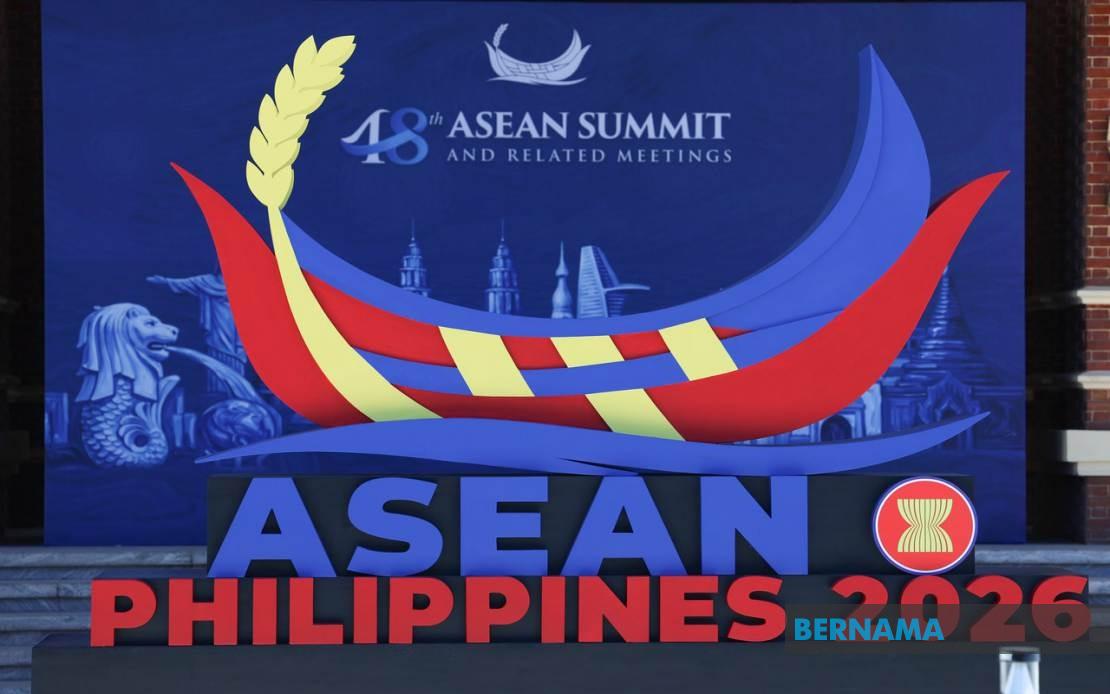
Thailand is positioning itself as a diplomatic bridge for intensified regional engagement on Myanmar, hosting two separate informal consultations among ASEAN Foreign Ministers in Bangkok aimed at catalysing more effective responses to the ongoing political turmoil in the country. The meetings, held under the chairmanship of the Philippines in its current role as ASEAN Chair, represent a calculated effort by the regional grouping to maintain dialogue channels with Naypyidaw despite the deepening complexity of Myanmar's transition following the 2021 military coup.
The dual-track format—comprising both a direct engagement between ASEAN's foreign ministers and Myanmar's foreign minister, alongside an extended consultation restricted to ASEAN members—signals the delicate balancing act the bloc is attempting to maintain. According to Maratee Nalita Andamo, Deputy Spokesperson of the Thai Foreign Ministry, the informal nature of these gatherings deliberately sidesteps rigid protocol, creating space for candid exchanges on a sensitive regional issue that has fractured ASEAN's traditional consensus-based approach to member state affairs.
Myanmar's foreign policy and diplomatic standing has become an increasingly fractious subject within ASEAN since the military's seizure of power. The current meetings provide an opportunity for the ten-member bloc to recalibrate its approach toward Naypyidaw without formally altering established positions on the crisis. This nuanced distinction between the informal character of the discussions and ASEAN's rigid diplomatic stances reflects the organisation's struggle to balance principles of non-interference with mounting pressure from dialogue partners and civil society regarding accountability and humanitarian concerns in Myanmar.
The centrepiece of these consultations will inevitably focus on progress—or lack thereof—in implementing ASEAN's Five-Point Consensus, a framework initially adopted in April 2021 that has become both a diplomatic framework and a symbol of ASEAN's limited leverage in Myanmar's internal affairs. The consensus calls for cessation of violence, dialogue among Myanmar's stakeholders, humanitarian assistance, and mediation by an ASEAN envoy. Nearly three years after its adoption, the roadmap remains largely stalled, with military authorities dismissing several of its core provisions and Myanmar's political landscape showing no signs of meaningful resolution.
Expected attendees include Philippine Secretary for Foreign Affairs Maria Theresa Lazaro, Thailand's Foreign Minister Sihasak Phuangketkeow, and Myanmar's Foreign Minister U Tin Maung Swe. The participation of Myanmar's top diplomat signals that Naypyidaw has not completely withdrawn from regional diplomatic engagement, even as it continues to resist international pressure regarding human rights and democratic restoration. The level of representation from other ASEAN nations was still being finalised at the time of announcement, indicating ongoing negotiations about which countries would commit to active participation.
Thailand's role as host carries particular significance given its geographical proximity to Myanmar and the substantial refugee populations that have crossed into Thai territory since the coup. For Bangkok, these informal consultations offer an avenue to shape regional discourse on Myanmar while managing domestic concerns about stability along its northern border. Thailand has historically maintained relatively pragmatic relations with Myanmar's military leadership, and this hosting role allows it to demonstrate regional diplomatic leadership during the Philippines' ASEAN chairmanship.
The emphasis on "meaningful discussions" and "concrete and effective" implementation of ASEAN's consensus underscores the growing frustration within the bloc over the stalled Myanmar situation. ASEAN envoys have struggled to secure high-level access to Myanmar's leadership or to broker any substantive progress on fundamental issues including ceasefire arrangements and political dialogue. These informal consultations represent a recalibration rather than a breakthrough strategy, attempting to generate momentum through low-pressure engagement rather than formal diplomatic demands.
Critically, ASEAN has explicitly stated that no official outcome document will be released following these meetings. This procedural choice reflects the sensitive political environment in which the consultations occur. The absence of a formal statement allows participating nations to maintain divergent interpretations of discussions while avoiding the appearance of collective censure or acceptance of Myanmar's military administration. For Myanmar, it provides diplomatic cover to engage without appearing to legitimise international scrutiny of its governance.
The security implications for Southeast Asia underscore why these consultations matter beyond diplomatic protocol. Myanmar's political paralysis has created ungoverned spaces exploited by criminal networks, facilitated refugee flows that strain neighbouring states, and complicated regional counterterrorism coordination. ASEAN's ability to construct any framework for dialogue—however informal—remains critical to preventing Myanmar's instability from triggering broader regional complications. Malaysia and other ASEAN members with significant Myanmar refugee populations have particular stakes in these engagement efforts.
Sceptics within and outside ASEAN question whether informal consultations can generate outcomes that eluded more formal diplomatic efforts. The military junta has demonstrated consistent reluctance to compromise on core governance issues, and ASEAN's traditional non-interference doctrine has limited the bloc's capacity to apply meaningful pressure. These meetings may serve primarily as diplomatic pressure-release valves, allowing participating nations to demonstrate engagement without confronting fundamental questions about ASEAN's strategic coherence on Myanmar.
For Southeast Asian observers, these consultations reflect the ongoing tension between ASEAN's foundational principles and contemporary regional security challenges. The informal format and absence of outcome documents allow the bloc to maintain a facade of unified engagement while papering over genuine divisions regarding how assertively to pursue Myanmar's political normalisation. As ASEAN continues to navigate its relationship with Myanmar, these Bangkok meetings represent a persistent commitment to dialogue even amid evidence that such engagement has generated minimal tangible progress toward the stated objectives of the Five-Point Consensus.

