Thailand faces mounting pressure to address an entrenched school bullying problem following the August 7 shooting at Debsirin Nonthaburi School, which claimed nine lives including the 14-year-old perpetrator. The incident has thrust the issue into the spotlight, prompting urgent discussions about systemic failures and what compelled a seemingly quiet teenager, raised by caring grandparents, to resort to such violence. While investigators continue probing whether bullying contributed to the rampage—alongside other factors like exposure to violent gaming and academic pressure—the tragedy has exposed how widespread and normalised peer abuse remains across Thai educational institutions.
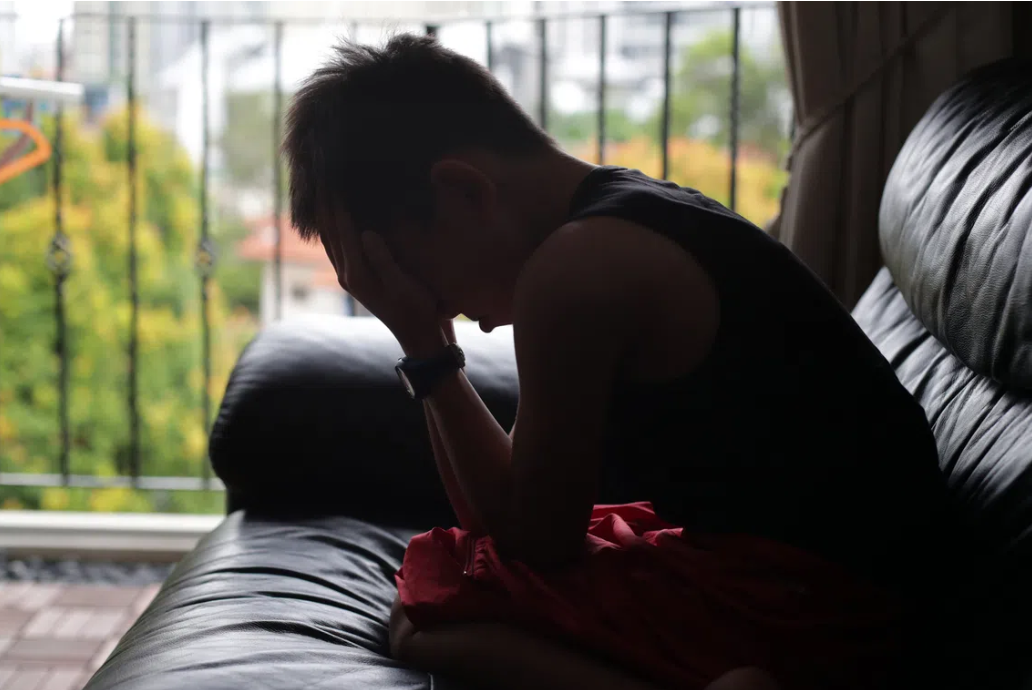
The prevalence of bullying in Thai schools is neither new nor particularly rare. Surasit Nok-Ouam, now a 20-year-old gig worker, endured years of torment starting in kindergarten that extended through his primary education. His experience encompasses the full spectrum of abuse: classmates subjected him to vicious name-calling, physical assaults, and deliberate humiliation in public settings. During bathroom breaks, groups of boys would follow him into stalls to splash water and hurl insults. In physical education class, bullies deliberately pulled down his trousers in front of peers. When he attempted to retaliate emotionally or verbally, his reactions simply became additional entertainment for his tormentors. Yet Surasit's story, while deeply personal, represents a far broader crisis affecting Thai youth across multiple institutional settings.
Recent data quantifies the troubling scale of the problem. A government survey conducted in September 2025 surveyed 42,000 young people aged six to 25 and found that 65 per cent had experienced bullying in some form. The most common manifestations included teasing about names, parents, and family relationships. More disturbingly, approximately 28 per cent reported experiencing physical violence such as kicking and punching. The survey identified schools as the primary location for these incidents, with 83 per cent of victims experiencing bullying in educational settings. Perhaps most alarming, at least one in four bullying victims have contemplated self-harm, indicating the severe psychological toll of sustained peer abuse.
Professionals working directly with affected youth confirm that bullying's prevalence continues accelerating. Prieo To-uam, a freelance counsellor with four years of experience, reports observing sharply increased numbers of adolescents seeking help over the past year. She notes that bullying emerges in nearly every counselling case she handles, irrespective of whether students attend traditional Thai schools or international institutions. Many of her young clients report experiencing bullying, while others acknowledge their own bullying behaviour. What begins as ostensibly harmless teasing or typical adolescent roughhousing frequently escalates into sustained psychological and physical abuse that leaves lasting scars.
Academics studying the phenomenon emphasise that visible incidents may not necessarily indicate rising prevalence so much as changing documentation patterns. Aranee Vivatthanaporn, a criminology and justice administration lecturer at Rangsit University, suggests that social media proliferation has amplified public awareness rather than necessarily reflecting increased frequency. When incidents become recorded and shared online—as occurred with a July 21 video from St Gabriel's College showing two students brutally assaulting a younger peer with an airsoft gun—they reach exponentially larger audiences. This visibility generates the impression of escalating problems, though it may primarily reflect society's enhanced capacity to witness and discuss bullying rather than demonstrating genuine numerical increases.
The psychological consequences of persistent bullying extend far beyond temporary discomfort. Chinun Boonroungrut, a psychology and guidance lecturer at Silpakorn University, identifies depression, anger, and accumulating grievance as common outcomes of sustained peer abuse. Bullying manifests through multiple channels: verbal harassment involving insults and rumour-spreading; physical abuse encompassing shoving, punching, and confinement; and increasingly, digital harassment through social media platforms. The cumulative weight of these experiences produces anxiety disorders, social withdrawal, and profound emotional dysregulation. While Boonroungrut cautiously notes that adolescent bullying does not invariably precipitate extreme violence, the psychological destabilisation it creates represents a genuine public health concern requiring serious intervention.
Yet reforming this deeply embedded problem confronts substantial cultural obstacles rooted in Thai social philosophy. The concept of kreng jai—often translated as extreme consideration but encompassing deference, politeness, and prioritisation of social harmony—profoundly shapes how Thai youth process conflict and distress. Rather than reporting bullying or confronting perpetrators, many victims internalise their suffering to preserve group cohesion and avoid causing trouble. Prieo observes that societal expectations frequently pressure young people to suppress negative emotions, preventing early disclosure of psychological crises. This enforced silence allows unresolved trauma to accumulate over extended periods, potentially manifesting eventually in explosive outbursts or self-destructive behaviours. The cultural value system itself, while promoting surface-level harmony, paradoxically enables bullying by discouraging victims from seeking assistance.
Victim vulnerability intensifies when young people lack supportive family environments or accessible adults willing to intervene. Many Thai adolescents, particularly those experiencing bullying, report feeling isolated without parents or mentors who understand their distress. The combination of cultural expectations to remain silent, insufficient emotional support systems, and pervasive peer abuse creates a perfect storm for psychological deterioration. Schools, rather than functioning as protective institutions, frequently become zones where vulnerable youth face daily humiliation with minimal institutional response or accountability.
In response to the August shooting and subsequent public outcry, Thailand's Education Ministry announced comprehensive reform measures scheduled for implementation by early November. The proposed initiatives include establishing zero-tolerance bullying policies, enhancing weapon detection systems, and implementing referral mechanisms for at-risk students. The ministry aims to push through a new Student and School Safety Act incorporating mental health monitoring and post-traumatic stress disorder screening. These structural interventions address the institutional dimension of bullying through policy frameworks and procedural safeguards.
However, policy announcements alone may prove insufficient without addressing the cultural foundations perpetuating bullying and victim silence. The kreng jai concept that encourages emotional suppression and social deference fundamentally conflicts with transparent reporting mechanisms and victim advocacy. Thai society must navigate a complex challenge: strengthening institutional protections and accountability while simultaneously reframing cultural narratives around conflict, emotional expression, and appropriate peer behaviour. This requires not merely updated school policies but broader social conversation about distinguishing genuine harmony-preservation from harmful silence-enforcement.
For Malaysia and neighbouring Southeast Asian nations, Thailand's experience offers cautionary lessons about bullying's systemic nature. Similar cultural values emphasising harmony and deference operate across the region, potentially creating comparable dynamics where victims suffer in silence while institutional responses lag. The challenge extends beyond military-style security measures or procedural reforms to fundamental questions about how societies balance collective values with individual welfare. Thailand's response will likely determine whether bullying becomes recognised as a serious concern requiring cultural recalibration or remains a normalised feature of adolescent educational experience.

