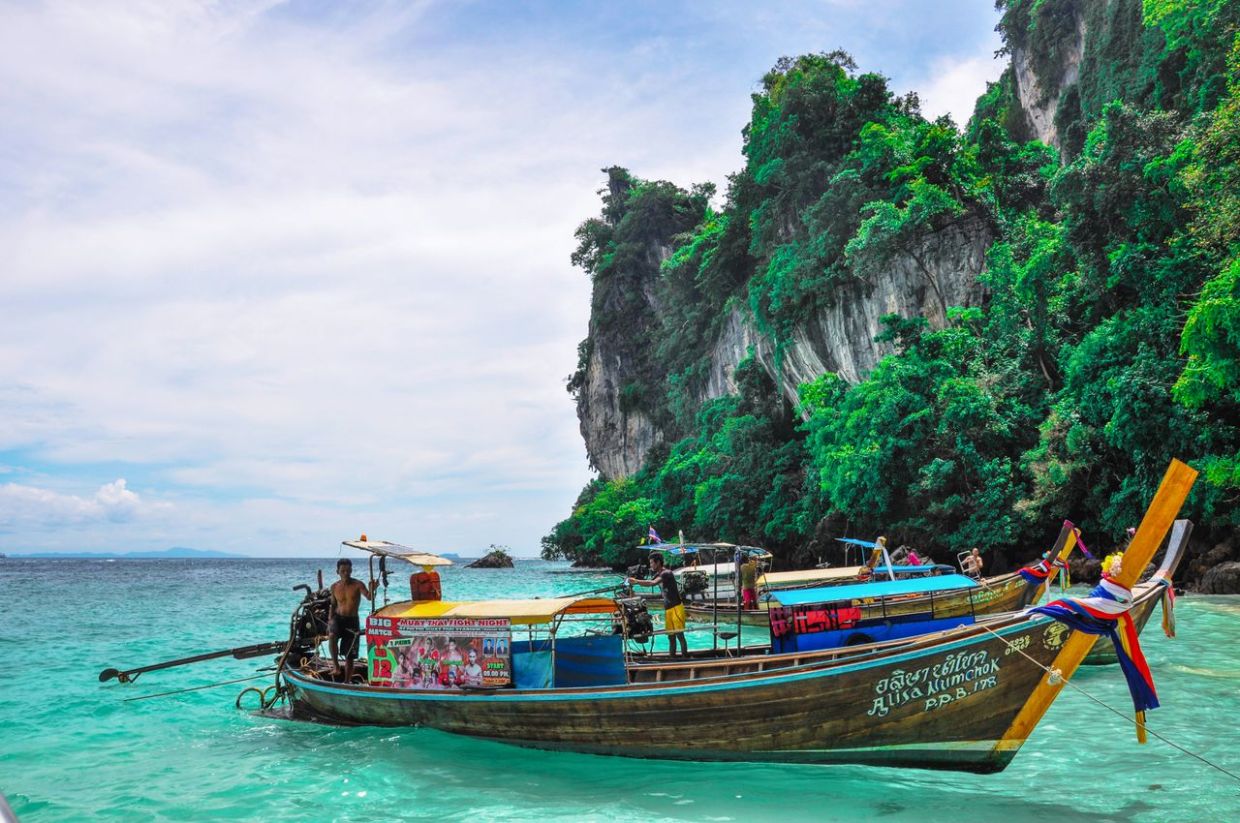
Thailand has decisively broken from a tourism model that prioritized sheer arrival numbers, instead charting a new course centred on extracting maximum revenue from fewer, wealthier visitors. This represents a strategic recalibration for the Southeast Asian nation, which spent the past several decades building one of the world's largest mass-tourism ecosystems. The Tourism Authority of Thailand is explicitly no longer chasing record visitor arrivals, with a target of only 33 million foreign tourists this year—substantially below the pre-pandemic peak of nearly 40 million in 2019 and potentially lower than last year's intake of 32.97 million visitors.
The decision marks a watershed moment for Thailand's tourism sector, which has traditionally measured success through constantly climbing visitor statistics. An annual decline in back-to-back years, outside pandemic periods, would be the first such occurrence since at least 1995, underscoring how dramatically the government's priorities have shifted. According to Nithee Seeprae, Deputy Governor of the Tourism Authority of Thailand, this recalibration is driven by multiple pressures including geopolitical instability and intensifying competition from neighbouring destinations. Rather than lamenting lower arrival figures, Nithee framed the change as a deliberate investment in quality over quantity. "We're not too worried about the number of tourists because we want to generate more revenue from each visitor," he explained, emphasising that Thailand now focuses explicitly on attracting "quality markets."
The tourism authority has begun reorienting its marketing machinery to reflect these new priorities. Recent promotional campaigns have shifted away from mass-market destinations, targeting instead affluent consumers in British cities including Oxford and Manchester. Thailand's tourism promotion now emphasises niche segments including medical tourism, wellness retreats, cultural festivals, golf holidays, marathons and sporting events—visitor categories statistically proven to remain longer and spend substantially more per trip. The authority's digital presence increasingly highlights luxury and wellness offerings, with promotional materials encouraging visitors to "heal and become a warmer, happier you." Current average visitor expenditure stands at approximately US$1,500 per trip, but authorities ultimately aim to elevate this to around US$2,400, a 60 percent increase that would significantly boost overall revenue despite accepting fewer total arrivals.
Projected tourism revenues for this year tell a more nuanced story. International tourism receipts are expected to reach THB1.55 trillion, up only marginally from THB1.54 trillion in 2025, suggesting that the strategic pivot toward higher-spending visitors has not yet fully compensated for lower overall volumes. This modest projected increase underscores the transitional challenges Thailand faces in repositioning its entire tourism infrastructure toward a more upscale clientele. The fundamental tension is evident: while the government seeks to attract fewer but wealthier tourists, the nation's tourism ecosystem—comprising countless hotels, restaurants, market stalls, transport operators, dive operations and tour companies—was built specifically to accommodate and profit from high volumes.
Particularly telling is Thailand's dramatic reversal on visa policies, a move that crystallises the government's changed priorities. During the pandemic recovery period, Thai authorities loosened entry requirements to stimulate tourism arrivals. However, officials subsequently linked these liberal visa measures to rising problems including illegal employment by foreigners, visa overstaying, and crime involving international visitors. The government has now rolled back these liberalised measures, accepting the cost in reduced arrivals to address security and regulatory concerns. A recent high-profile case exemplified these worries: Thai police arrested an Australian man at Bangkok's Suvarnabhumi Airport while he allegedly attempted to flee the country following accusations that he killed a 17-year-old Thai girl and disposed of her remains in Phuket.
Yet executing this transformation presents formidable practical challenges. Destinations such as Phuket and Chiang Mai were fundamentally designed and developed around mass-tourism economics, with business models, infrastructure investments, and employment patterns all predicated on high visitor volumes. Shifting to fewer, wealthier tourists requires not merely marketing changes but structural economic adjustments that cannot occur instantaneously. Hotels built for rapid turnover and modest pricing struggle to rebrand as luxury establishments. Local restaurants and food vendors designed for high-volume, low-margin operations face significant adaptations to serve more exclusive clientele. The wholesale reimagining of entire destination ecosystems represents a multiyear undertaking with considerable risk.
Thailand's traditional competitive advantages have simultaneously eroded. The nation once dominated Southeast Asia's value-for-money travel market, but Vietnam and Indonesia have emerged as increasingly formidable competitors offering comparable experiences at lower price points. Meanwhile, the Thai baht's recent strength has undermined one of Thailand's historical strengths—offering exceptional value for international visitors with stronger currencies. These regional competitive dynamics left Thai authorities little choice but to pursue a differentiation strategy based on experience quality and premium positioning rather than competing on price.
The arc of Thailand's tourism evolution reflects broader economic and geopolitical dynamics shaping the region. Thailand spent decades cultivating one of the world's most sophisticated mass-tourism industries, aided by sustained currency advantages, global cultural exposure through films and television series, and the pre-pandemic flood of Chinese visitors. The pandemic disrupted that carefully constructed momentum. Since 2020, Thailand has struggled to recover its former dominance, experiencing multiple false starts and shifting external conditions that make reverting to the previous model increasingly untenable.
Nithee has emphasised that the strategic reorientation does not constitute exclusion of budget travellers per se. "For Thailand, luxury is about meaningful experiences and exclusive experiences," he stated, suggesting the government is redefining luxury away from price-point indicators toward qualitative dimensions of visitor satisfaction and engagement. This framing attempts to position the shift as evolutionary rather than exclusionary, though the practical implications inevitably involve concentrating tourism infrastructure and marketing resources on higher-value segments. As tourism comprises approximately one-fifth of Thailand's entire economy, this recalibration carries economy-wide implications extending well beyond the hospitality sector itself.

