Thailand is reeling from one of the deadliest vehicular accidents involving religious figures in recent memory, after a pickup truck ploughed into a Buddhist procession in Mukdahan province on Thursday, leaving 10 monks dead and dozens more injured or traumatised. The incident, which unfolded along a roadside in the country's northeast, has reignited urgent questions about vehicle safety, child supervision, and the protection of sacred religious ceremonies in communities across the kingdom.
The vehicle was driven by an 11-year-old boy who had taken his parents' pickup without permission, according to police investigations. The child, who remains unable to provide a formal statement, has been referred to child welfare authorities for psychological and social assessment, with his mother accompanying him through the process. This detail underscores the complexity of the tragedy: while the loss of life has been catastrophic, the driver himself is a minor facing his own trauma and legal complications.
Thirty-five Buddhist monks and five lay followers were participating in an organised pilgrimage when the truck struck the procession. Five monks were killed instantly at the scene, while another five succumbed to their injuries during treatment at Mukdahan Hospital. Ten additional victims, including monks and lay participants, remain hospitalised, with two individuals in critical condition and eight others managing moderate to serious injuries. The hospital's latest medical updates suggest a fragile situation for those still recovering, with concerns about both physical injuries and psychological distress.
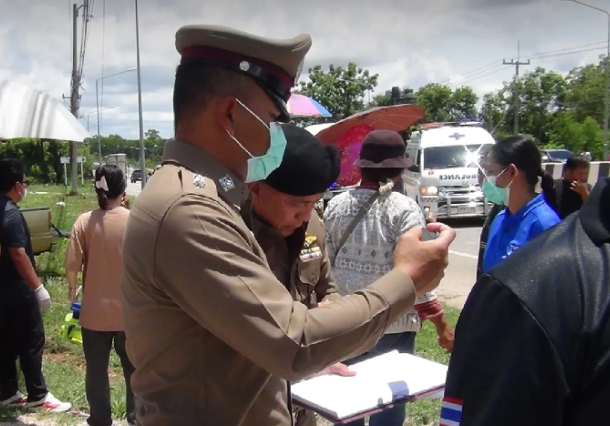
Prayut Ruanthongkam, chief of Mukdahan City Police, confirmed that authorities have launched a thorough investigation involving witness testimony from surviving monks present at the procession. Police are also reconstructing the sequence of events leading up to the collision, including how the child gained access to the vehicle and what circumstances surrounded the moment of impact. The investigation extends beyond the immediate accident scene to examine broader questions of vehicle security and parental oversight.
Thailand's legal framework creates a unique context for this incident. Children under 12 years of age carry no criminal liability under Thai law, meaning the young driver cannot face prosecution despite the scale of the tragedy. Instead, the matter has been directed toward child welfare authorities, where the focus shifts to assessment, rehabilitation, and understanding what motivated or enabled the child to take control of a vehicle. This legal reality, while protecting minors from criminal consequences, leaves grieving families and the broader Buddhist community searching for justice and meaning in the aftermath.
The destruction wrought by this accident carries profound cultural and spiritual dimensions for Thailand. Buddhist monks occupy an exceptionally revered position in Thai society, entrusted with the sacred responsibility of preserving Buddhist teachings and serving as spiritual guides for their communities. Their visibility in public life—whether receiving daily alms from ordinary citizens, conducting ceremonies, or participating in religious processions—reflects the deep integration of Buddhism into Thai national identity and daily cultural practice. When monks become victims of violence or tragedy, the impact resonates far beyond the immediate families and temple communities involved.
Wat Roi Phra Phutthabat Phu Manorom, the hilltop temple from which many of the affected monks came, has opened its doors to provide shelter and care for survivors and those recovering from injuries. The temple's response reflects traditional Buddhist principles of compassion and communal support during times of crisis. Monks and lay followers are being supported during the physical and emotional recovery process, though the psychological scars of witnessing such devastation will likely persist for extended periods.
This tragedy raises critical safety concerns that extend across Southeast Asia more broadly. In a region where religious processions, festivals, and public gatherings occur regularly, the incident highlights vulnerabilities in traffic management, vehicle security, and crowd protection measures. For Malaysia and other neighbouring countries with substantial Buddhist populations, the event serves as a sobering reminder of the need for enhanced protocols when religious ceremonies intersect with public roads and vehicular traffic.
The broader implications for child safety and parental responsibility are equally significant. The fact that an 11-year-old was able to access and operate a vehicle without immediate intervention raises questions about supervision standards and vehicle security measures in Thai households. These concerns resonate throughout the region, where rapidly increasing vehicle ownership has not always been accompanied by proportionate improvements in safety culture or child protection mechanisms.
The role of chance and circumstance in human tragedy is starkly evident in this case. A child's curiosity or desire to explore, combined with accessible vehicle keys and an unfortunate convergence of timing with a roadside religious procession, created conditions for mass casualty. Such contingencies underscore the fragility of everyday safety assumptions and the potential for momentary lapses to result in devastating, irreversible consequences.
As Thailand mourns the loss of 10 dedicated religious figures, temple communities are confronting both immediate pastoral challenges and longer-term questions about how to honour the deceased while supporting the living. The incident will likely prompt conversations within Thai society about vehicle safety regulations, event planning for religious gatherings, and the role of child welfare education in preventing similar tragedies. For regional observers, it serves as a reminder that even deeply traditional societies with centuries-old spiritual practices face modern safety challenges requiring coordinated responses.

